Price fixing and fees
SettledDollar General Overcharge Lawsuit: Shelf Price vs Register Price at Dollar General and Family Dollar
As of September 2026, the $15M Dollar General overcharge class settlement is approved and claims are closed. See state cases, Family Dollar, and what to do now.
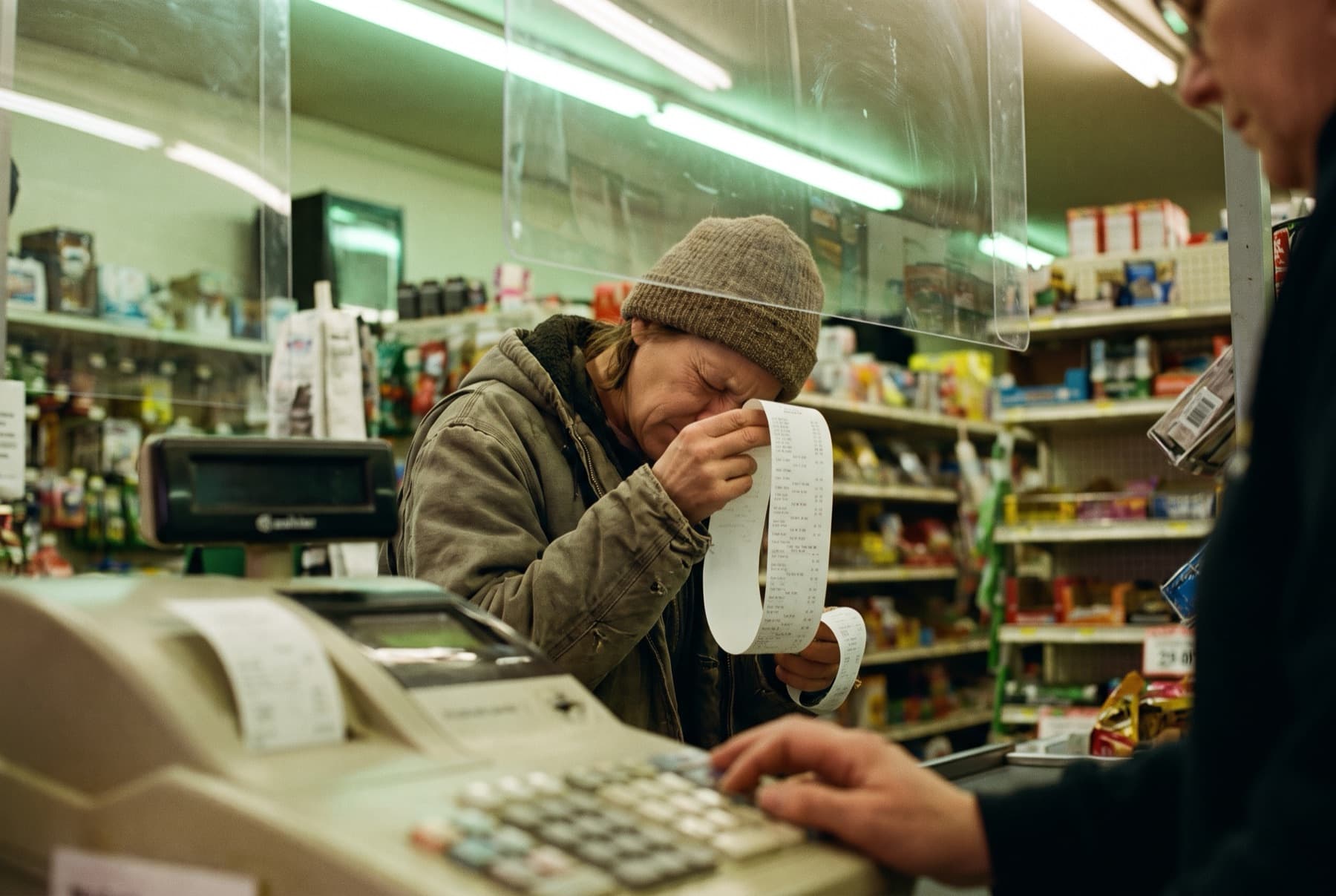
The main Dollar General overcharge class action has settled: a New Jersey court granted final approval on March 19, 2026, and the claim deadline passed on April 13, 2026. It covered U.S. shoppers charged more at the register than the shelf price from October 10, 2016 into late 2025, and paid cash only to people who could document an overcharge. Separate state cases by attorneys general, including Missouri's, have also settled, and state inspectors keep fining individual Dollar General and Family Dollar stores.
If you missed the settlement, your options now are narrower but real: newer overcharges are not covered by the release, and state agencies act on complaints. This page explains the class case, each state action we could verify, what shoppers actually received, and what to do the next time a price rings up wrong.
Key takeaways.
- The nationwide Dollar General class settlement (Braun v. Dolgencorp, Middlesex County, New Jersey) was valued at $15 million: an $8.5 million cash fund plus $6.5 million in pricing fixes.
- Cash required proof of an overcharge and paid $10 per overcharge (or the actual amount if higher), up to $20 per household; the claim deadline was April 13, 2026.
- Missouri's inspectors found 92 of 147 Dollar General stores failed price checks, with an average overcharge of $2.71; the state's lawsuit settled in late July 2026 on terms not yet public.
- Family Dollar paid $275,000 in civil penalties in Arizona in May 2025 and has faced similar fines and settlements in other states.
- If you are overcharged today, your best tools are a receipt, a shelf photo, and a complaint to your state weights and measures office.
You may qualify if.
- You shopped at a Dollar General store in the United States from October 10, 2016 into late 2025 and were charged more at the register than the shelf price (you are a member of the Braun settlement class, which is now closed).
- You were overcharged at Dollar General or Family Dollar after the class period ended in late 2025; newer overcharges are not released by that settlement.
- You kept a receipt plus a photo of the shelf tag, or you complained to the store or a government agency at the time.
- You live in a state whose weights and measures office or attorney general takes price accuracy complaints (most states do).
What to gather.
- 1The receipt showing the price you were charged.
- 2A dated photo of the shelf tag or sale sign showing the lower price.
- 3Any complaint you made to the store, Dollar General corporate, or a state or county inspector, with dates.
- 4Store address and date and time of the purchase.
- 5Bank or card statements if you lost the paper receipt.
What the Dollar General overcharge lawsuits are about
Every case on this page turns on the same simple problem: the price on the shelf tag is lower than the price the register charges. Shoppers and state regulators allege that this happened far too often at Dollar General and Family Dollar, that store staffing made it hard to keep tags updated, and that customers who noticed were not always given the shelf price.
The national case is Braun v. Dolgencorp, LLC d/b/a Dollar General, No. MID-L-00950-25, in the Superior Court of New Jersey, Law Division, Middlesex County, filed February 12, 2025. The plaintiffs alleged violations of the New Jersey Consumer Fraud Act and related laws on behalf of shoppers nationwide. Dollar General denied that it had a practice of charging more at the register, and the court never decided who was right. Allegations in any complaint are not proof.
Government inspectors provide much of the evidence. County and state weights and measures offices run unannounced price checks, scan a sample of items, and compare them with the shelf tags. A December 2025 Guardian review found that Dollar General stores had failed more than 4,300 government price-accuracy inspections in 23 states since January 2022, and Family Dollar stores more than 2,100 in 20 states.
Where the cases stand in September 2026
The private class case is finished except for payments. State cases are resolved one by one, and inspections continue.
Dollar General national class settlement (Braun)
The court preliminarily approved the deal on December 15, 2025 and granted final approval on March 19, 2026. The settlement is valued at $15 million: an $8.5 million common fund for cash payments and $6.5 million in store-level pricing-accuracy measures. Every class member could use a one-time $3 discount on a $10 purchase during a two-day window, with no proof. Full details are on our Dollar General settlement page.
Missouri attorney general lawsuit
Missouri sued on September 13, 2023 under the Missouri Merchandising Practices Act, seeking restitution, penalties, and an injunction. The St. Louis Post-Dispatch reported on August 12, 2026 that the state and Dollar General brought the case to a close in late July 2026, just before trial. Settlement terms were not public when that report ran.
Ohio attorney general lawsuits
Ohio sued both Dollar General and Family Dollar in 2022. Ohio says it reached a $1 million settlement with Dollar General, with $750,000 going to food banks across all 88 counties, plus rules requiring clerks to honor the lower shelf price and fix tags within 24 hours.
Why price checks keep failing
State reports point to the same root cause again and again: registers are updated with new prices before anyone changes the paper tags on the shelf. Arizona's attorney general described exactly that at Family Dollar, and the Braun settlement's fixes focus on dedicated store labor to keep tags current, third-party pricing audits, and tracking of weights and measures inspection reports every two months. When a small crew runs a large store, tag changes are often the first task to slip. That is also why the problem tends to recur at the same stores, and why inspectors in North Carolina and elsewhere schedule repeat visits until a store passes.
For shoppers, the takeaway is practical. A price that looks right on the shelf is not proof you will be charged that price, especially on sale items and during weeks when prices change. Scanning your receipt before you leave the store is the simplest protection, because it is much easier to get a correction at the register than after you get home.
State actions against Dollar General and Family Dollar
This table lists the government actions we confirmed in agency releases or news reports. None of them paid individual shoppers directly except through the store-level promises to honor shelf prices.
| State | Company | Result |
|---|---|---|
| Missouri | Dollar General | Suit filed Sept. 2023; settled late July 2026 |
| Ohio | Dollar General | $1 million settlement; $750,000 to food banks |
| Arizona | Family Dollar | May 29, 2025 consent judgment; $275,000 penalties |
| Colorado | Dollar General | $400,000 settlement reported Oct. 2025 |
| Vermont | Dollar General | $1.75 million settlement |
| North Carolina | Both | Ongoing per-store fines after failed inspections |
Dollar General
Missouri's investigation, run with its Department of Agriculture, found that 92 of 147 Dollar General stores checked failed inspection, with overcharges of up to $6.50 per item and an average overcharge of $2.71 across more than 5,000 items checked. Vermont's settlement said inspectors had told the company at least 50 times to fix pricing errors and had found 362 overcharges at 22 stores since October 2013, with a median overcharge of $0.35. In North Carolina, the state agriculture department's July 15, 2026 release listed Dollar General stores fined in the second quarter of 2026, including a Camden County store that paid $6,800 after three failed inspections.
Family Dollar
Arizona's attorney general said Family Dollar repeatedly failed state scanning inspections because registers were updated before shelf tags. The May 29, 2025 consent judgment required $275,000 in civil penalties, $25,000 in attorney fees, an extra $300,000 in internal training and oversight spending, 10,000 added labor hours a year for pricing work in Arizona stores for two years, and a promise to honor the lower advertised price. North Carolina also fined Family Dollar stores in New Bern and Fayetteville in the second quarter of 2026. We found no nationwide Family Dollar overcharge class settlement as of September 2026.
Who qualified, and who may still have a claim
The Braun class covered Dollar General purchases from October 10, 2016 into late 2025, a span of about nine years.
The Braun class was "all consumers in the United States who paid more or less for merchandise than the advertised price labeled on the shelf at a Dollar General store" from October 10, 2016 through the date the plaintiffs asked for preliminary approval in late 2025. That makes almost every regular Dollar General shopper a class member. Being a member and getting cash were different things, though.
- Cash required proof. A claimant needed a complaint made at the time to Dollar General or a government agency, plus documentation such as a receipt or photo.
- Everyone released their claims. Unless you opted out, you cannot sue Dollar General over overcharges in that period, even if you never filed. See how settlements bind class members.
- Newer overcharges are different. An overcharge after the class period ended is not covered by the release, so you can still complain to the store, a state agency, or an attorney.
- Family Dollar shoppers were never in the class. The Braun settlement covers Dollar General only.
If you received a notice by email or mail, that shows Dollar General's records placed you in the class, but you did not need a notice to be a member. Most people probably do not have a claim large enough for an individual lawsuit. A single overcharge is often under $3. The practical remedies are getting the shelf price at the register, reporting stores to inspectors, and watching for any future class case.
What compensation looked like
Braun paid $10 per documented overcharge, or the actual overcharge if higher, capped at two payments and $20 per household unless actual overcharges were larger. Class members without documentation got only the $3 in-store discount. That is small, and it reflects a basic problem with these cases: few shoppers keep both a receipt and a photo of the shelf tag.
State settlements mostly went to penalties, food banks, and pricing reforms rather than refunds. Ohio's $1 million deal sent $750,000 to hunger-relief groups. Arizona's Family Dollar deal paid penalties to the state and required more staff hours. Those commitments matter because they create an enforceable promise that you get the lower price when you point out the error.
For how common funds are split and why per-person amounts shrink, see how class action money is divided.
The law behind shelf price overcharge claims
There is no single federal "shelf price" law. These cases rely on state consumer protection statutes and state weights and measures rules.
- State unfair and deceptive practices laws. Missouri sued under its Merchandising Practices Act, Ohio under its Consumer Sales Practices Act, Arizona under its Consumer Fraud Act, and Vermont under its Consumer Protection Act. The Braun plaintiffs relied on the New Jersey Consumer Fraud Act.
- Weights and measures price verification. State inspectors check scanner accuracy. North Carolina, for example, flags a store when overcharges exceed a 2% error rate and reinspects it every 60 days until it passes.
- Store policies and court orders. Several settlements require clerks to honor the lower shelf price once a customer points out a discrepancy.
Because most shelf price claims are small, class treatment is what makes them worth pursuing. Our guide on what a class action is explains why. Many consumer protection statutes also allow recovery of attorney fees, which is how lawyers can take these cases on a class basis.
Deadlines that matter now
- Braun claim deadline: passed on April 13, 2026. Late claims are generally not accepted.
- Opt-out deadline: passed before the March 19, 2026 final approval hearing.
- New overcharges: state consumer protection laws each have their own statute of limitations, and the clock generally runs from the purchase, so report and document an overcharge right away rather than waiting.
- Payments to Braun claimants: the administrator pays approved claims after final approval and any appeals; check the official settlement website for payment status rather than third-party sites.
Anything you bought at Dollar General after the Braun class period ended in late 2025 is outside that settlement's release. If you missed the claim deadline, see our guide on open vs closed settlements.
What to do if a dollar store overcharged you
In the Missouri investigation, the average overcharge was $2.71 per item, so a quick receipt check at the register is worth the few seconds it takes.
- Ask for the shelf price at the register. Several state settlements require clerks to match the lower tag.
- Take a photo of the tag and keep the receipt. Lack of proof is why most Braun class members got only $3.
- Report the store. Your state or county weights and measures office runs the inspections that drive these fines. Missouri's attorney general takes complaints at 800-392-8222, and North Carolina's Standards Division at 984-236-4750.
- Keep a simple log. Repeated overcharges at the same store are what regulators and attorneys look for.
If you have documented repeated overcharges since late 2025, independent attorneys who handle consumer cases may want to hear about it. A free case review takes about two minutes.
Two more habits help. First, pay attention to the receipt's item descriptions, since store receipts often abbreviate product names and a quick match against the shelf tag can reveal a mismatch. Second, if the store refuses to honor the shelf price, write down the time, the register number, and the employee's first name if they give it. Those details turn a vague complaint into one that a weights and measures inspector or an attorney can act on. None of this requires confrontation; a calm request at the register, followed by a written complaint to the state if it is refused, is how most of the enforcement described on this page began.
Case timeline
September 13, 2023
Missouri attorney general sues Dollar General over shelf price overcharges.
February 12, 2025
Braun v. Dolgencorp class action filed in Middlesex County, New Jersey.
May 29, 2025
Arizona announces consent judgment with Family Dollar over mispricing.
December 15, 2025
New Jersey court preliminarily approves the $15 million Braun settlement.
March 19, 2026
Court grants final approval of the Braun settlement.
April 13, 2026
Braun claim deadline passes.
July 2026
Missouri and Dollar General settle the state case in late July, just before trial.
Dollar General and Family Dollar overcharges: common questions.
Is there a class action lawsuit against Dollar General for overcharging?
Yes. Braun v. Dolgencorp, a nationwide class action over register prices higher than shelf prices, settled for a package valued at $15 million and received final approval on March 19, 2026. The claim deadline was April 13, 2026, so the settlement is now closed to new claims.
How much will I get from the Dollar General settlement?
Class members who documented an overcharge get $10 per overcharge, or the actual amount if higher, up to $20 per household unless actual overcharges were larger. Class members without proof could only use a one-time $3 in-store discount.
Can I still file a claim in the Dollar General price settlement?
No. The claim deadline was April 13, 2026. If you were overcharged after the class period ended in late 2025, that newer overcharge is not covered by the release, and you can report it to your state weights and measures office.
Is there a Family Dollar overcharge lawsuit?
Family Dollar has faced state actions, including an Arizona consent judgment in May 2025 with $275,000 in civil penalties and pricing reforms, and per-store fines in North Carolina. We found no nationwide Family Dollar overcharge class settlement as of September 2026.
What happened with the Missouri Dollar General lawsuit?
Missouri sued Dollar General in September 2023 after inspectors found 92 of 147 stores failed price checks. The St. Louis Post-Dispatch reported that the case settled in late July 2026, just before trial, and the terms were not public at that time.
What should I do if Dollar General charges more than the shelf price?
Ask the cashier to honor the shelf price, photograph the tag, and keep the receipt. Then report the store to your state or county weights and measures office, which runs the inspections that lead to fines.
Sources.
Statutes, court rules, appellate opinions, and bar publications we relied on. See our editorial standards.
- 1.Braun v. Dolgencorp updated settlement agreement (December 10, 2025)
- 2.ClassAction.org, $15M Dollar General settlement (January 23, 2026)
- 3.Missouri Attorney General, suit against Dollar General (September 13, 2023)
- 4.St. Louis Post-Dispatch, Dollar General settles Missouri pricing lawsuit (August 12, 2026)
- 5.Ohio Attorney General, Dollar General settlement (February 15, 2024)
- 6.Arizona Attorney General, Family Dollar consent judgment (May 29, 2025)
- 7.Vermont Agency of Agriculture, $1.75 million Dollar General settlement
- 8.NCDA&CS, 16 stores pay fines for price scanning errors (July 15, 2026)
- 9.The Guardian, dollar store overcharges investigation (December 3, 2025)
Related cases and settlements.
All lawsuitsSettlement, $8.5 million
Dollar General price overcharge
Lawsuit
Fake sale pricing
As of September 2026, Hudson v. Hanna Andersson LLC, a proposed class action over allegedly fake reference prices, is pending in the District of Oregon, while the Hampton v. Mattress Firm settlement for California buyers has closed to claims.
Lawsuit
Target tariff refund
As of September 2026, Cavallaro v. Target Corporation, a proposed class action seeking refunds of tariff-driven price increases, is pending in the Southern District of New York with no class certified, no settlement, and no claim form.

Lawsuit
Costco (rotisserie chicken, Kirkland, emails)
As of September 2026, the Kirkland rotisserie chicken case is pending in the Southern District of California with Costco's motion to dismiss filed June 4, 2026, the Orgain protein powder case filed July 7, 2026 is pending in Seattle, and the $14 million email settlement awaits an October 2, 2026 final approval hearing.