Tech, gaming, and social media
Consolidated (MDL)Social Media Addiction Lawsuit (MDL 3047): Meta, TikTok, Snap, and YouTube
About 3,210 social media addiction cases are pending in MDL 3047 against Meta, TikTok, Snap, and YouTube. See the verdict, settlements, and who qualifies.
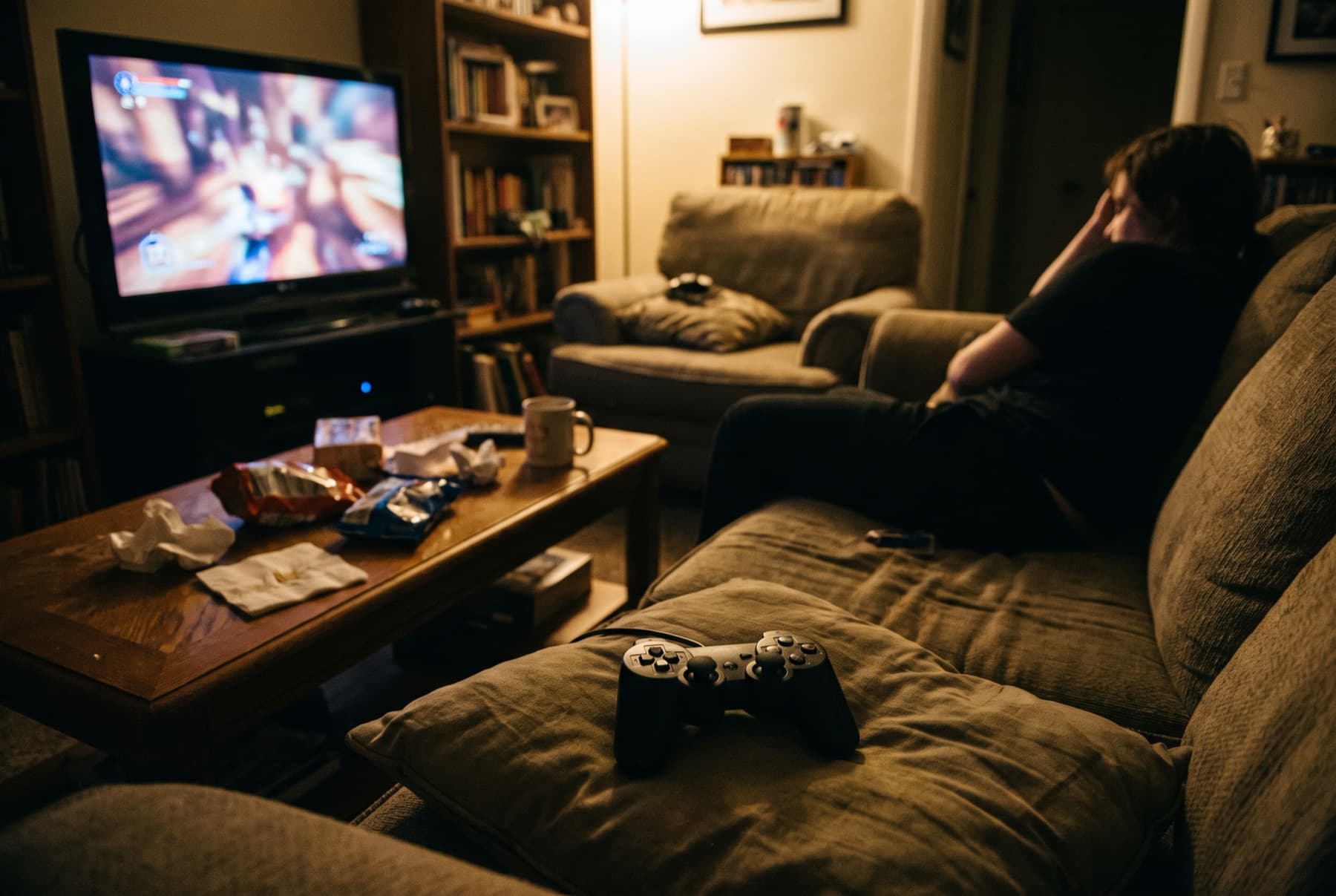
Yes, the social media addiction lawsuits are active and growing. As of September 2026, about 3,210 cases are pending in MDL 3047 against Meta, TikTok, Snap, and YouTube, and the first jury to hear a case found Meta and YouTube liable in March 2026. People who may qualify are those who used these platforms heavily as minors and were diagnosed with depression, anxiety, an eating disorder, self-harm, or suicidal behavior, and families who lost a child. There is no class settlement to claim; each injured person files an individual case.
This page covers the claims, the verdict and settlements so far, who qualifies, deadlines, and what to gather.
Key takeaways.
- MDL 3047 had about 3,210 pending cases as of September 2026, all before Judge Yvonne Gonzalez Rogers in the Northern District of California.
- A Los Angeles jury found Meta and YouTube liable on March 25, 2026 and awarded $6 million to one plaintiff, and the judge upheld the verdict in June 2026.
- Meta agreed on August 26, 2026 to pay states at least $12.1 billion, and up to $17.1 billion, and to add teen time limits. That money goes to states, not families.
- TikTok agreed on September 25, 2026 to pay Alabama at least $100 million and add similar teen limits.
- Individual injury claims are still being filed. These are mass tort cases, so each person's claim is valued separately, and the allegations remain disputed.
You may qualify if.
- A person who started heavily using Instagram, Facebook, TikTok, Snapchat, or YouTube as a minor.
- That person was diagnosed with or treated for depression, anxiety, an eating disorder, self-harm, suicidal thoughts, or a suicide attempt linked in time to heavy use.
- Families who lost a child to suicide after compulsive social media use.
- School districts and local governments that spent money responding to student mental health effects.
- Adults whose problems began after age 18, or people without a diagnosis or treatment, are much less likely to qualify.
What to gather.
- 1Account usernames and the approximate age when each account was opened.
- 2Screen time reports or app usage data from the phone, plus any account data downloads.
- 3Medical, therapy, psychiatric, or hospital records showing diagnosis and treatment dates.
- 4School records, such as counselor notes or attendance changes, that show when problems began.
- 5For a death, the death certificate and any records connecting the loss to platform use.
Where MDL 3047 and the state cases stand
On March 25, 2026, a Los Angeles jury in the first JCCP 5255 bellwether found Meta and YouTube liable for negligence and failure to warn and awarded the plaintiff $6 million, including punitive damages. Snap and TikTok had settled with that plaintiff before trial. On June 9, 2026, Judge Kuhl denied Meta's and YouTube's motions for a new trial and for judgment notwithstanding the verdict, finding the case was about product design, not third-party content protected by Section 230.
In the federal MDL, the first school district bellwether trial, Breathitt County School District (Kentucky), was set for June 15, 2026. Snap, TikTok, and YouTube settled in mid-May and Meta settled days before jury selection; local reporting put the combined value at about $27 million. A second JCCP personal injury trial set for July 2026 ended when the plaintiff settled with Google, TikTok, and Snap and dismissed his claims against Meta.
Government cases moved faster. On August 26, 2026, Meta announced a settlement with a bipartisan coalition of 51 attorneys general. Meta agreed to pay the states at least $12.1 billion over 10 years, rising to as much as $17.1 billion if other platforms adopt similar reforms, and to set default two-hour daily limits and overnight blocks for users under 18. The settlement is subject to court approval through a consent judgment. On September 25, 2026, TikTok agreed to pay Alabama at least $100 million, possibly up to $300 million if other states join, with similar teen limits.
None of these settlements pays individual families. Personal injury cases in the MDL continue, with about 3,210 pending as of September 2026.
What compensation could look like
| Result | Amount | Who gets it |
|---|---|---|
| K.G.M. verdict (Los Angeles) | $6 million | One plaintiff |
| Breathitt County schools | About $27 million (reported) | One school district |
| Meta and state AGs | $12.1 to $17.1 billion | States |
| TikTok and Alabama | At least $100 million | Alabama |
The single jury verdict so far awarded $6 million to one young woman, split between compensatory and punitive damages, with most of the fault assigned to Meta. That is one case, and it may still be appealed. It does not mean every claim is worth that amount.
In a mass tort, each claim is valued on the severity of the injury, the treatment needed, age, and how well records tie the injury to platform use. Cases involving death, suicide attempts, or long hospitalizations are valued far higher than those involving milder anxiety. If a global settlement comes, it will likely use a points or tier system. Our guide on class actions vs. mass torts explains why these cases work differently from a typical settlement. For more on the Meta settlement, see our Meta social media settlement page.
What the Meta and TikTok settlements change for teens
The August and September 2026 government settlements do not pay families, but they do change how the apps work for minors, and they show what design features regulators considered harmful.
Meta (Instagram and Facebook)
According to California Attorney General Rob Bonta, the proposed Meta consent judgment includes default daily time limits for minors, a block on overnight use that only a parent can lift, stronger parental supervision tools, age assurance measures to find users under 18 and children under 13, and an independent auditor to oversee compliance. California alone expects to receive $1.5 billion to $2.1 billion from the Meta settlement if the court approves it. The settlement still requires court approval through entry of a consent judgment.
TikTok (Alabama)
TikTok's Alabama settlement, announced September 25, 2026, mirrors many of Meta's terms: a two-hour daily limit for teens, restricted access from midnight to 6 a.m., notifications suspended during school hours, a ban on beauty filters for teens, and an option for a non-personalized feed. Alabama gets at least $100 million, and up to $300 million if 40 other attorneys general sign similar deals within a set period.
Why this matters for injury claims
Settlements with states generally do not release individual injury claims, so families can still pursue their own cases. The design changes can also be relevant evidence: if a company agreed that time limits or overnight blocks were needed, plaintiffs may argue those protections were feasible earlier. Companies will argue the opposite, that changes made in a settlement are not an admission of anything. How courts treat that argument will be decided case by case.
School districts and local governments
Many school districts have also filed claims seeking the costs of responding to student mental health problems. The Breathitt County settlement was the first test of those claims in the federal MDL.
Case timeline
October 2022
Federal cases centralized as MDL 3047 in the Northern District of California before Judge Yvonne Gonzalez Rogers.
March 25, 2026
Los Angeles jury finds Meta and YouTube liable in the first JCCP 5255 bellwether and awards $6 million.
May 2026
Snap, TikTok, YouTube, and then Meta settle the first federal school district bellwether, Breathitt County.
June 9, 2026
Judge Carolyn Kuhl denies Meta's and YouTube's post-trial motions, upholding the $6 million verdict.
August 26, 2026
Meta announces a settlement with 51 attorneys general: at least $12.1 billion and new teen limits.
September 25, 2026
TikTok agrees to pay Alabama at least $100 million and adopt teen time limits.
Social media addiction: common questions.
Is there a social media addiction lawsuit?
Yes. About 3,210 cases are pending in MDL 3047 in federal court in Oakland, California, and more are coordinated in Los Angeles state court. They claim Meta, TikTok, Snap, and YouTube designed their apps to be addictive to minors. The claims are disputed.
Who qualifies for the social media addiction lawsuit?
Generally, people who used Instagram, Facebook, TikTok, Snapchat, or YouTube heavily before age 18 and were diagnosed with depression, anxiety, an eating disorder, self-harm, or suicidal behavior. Families of children who died by suicide may also qualify. Adults without a diagnosis usually do not.
What was the verdict in the social media addiction trial?
On March 25, 2026, a Los Angeles jury found Meta and YouTube liable for negligence and failure to warn and awarded the plaintiff $6 million, including punitive damages. The judge denied the companies' requests for a new trial in June 2026.
How much is the social media addiction lawsuit settlement per person?
There is no per-person settlement yet. Meta's $12.1 to $17.1 billion deal and TikTok's Alabama deal pay states, not individual families. Individual injury claims are valued case by case based on the severity of the harm and the evidence.
Can I still file a social media addiction lawsuit?
Yes, new cases are still being filed as of September 2026, as long as your state's statute of limitations has not run. For minors the deadline often does not start until age 18, but wrongful death claims usually have shorter limits.
Does the Meta settlement pay families?
No. The August 2026 Meta settlement with 51 attorneys general pays the states and requires design changes like default time limits for teens. It does not resolve or pay individual personal injury claims in MDL 3047.
Is the social media lawsuit a class action?
No. Most cases are individual personal injury lawsuits grouped in an MDL for pretrial handling, which makes them a mass tort. Each person must file their own claim, and any compensation depends on their own injuries.
Sources.
Statutes, court rules, appellate opinions, and bar publications we relied on. See our editorial standards.
- 1.Courthouse News: Meta agrees to landmark settlement over social media addiction cases (August 2026)
- 2.California Attorney General: Bonta secures settlement with Meta (August 26, 2026)
- 3.The Guardian: TikTok to pay Alabama $100m and limit teenage use (September 26, 2026)
- 4.Lex California: Judge Kuhl denies Meta and YouTube post-trial motions in JCCP 5255
- 5.Tenenbaum Law: Social media MDL first bellwether trial and Breathitt County settlement (June 2026)
- 6.ConsumerShield: How many social media addiction lawsuits are pending (September 2026)
- 7.Los Angeles Superior Court: Social Media Cases (JCCP 5255) public information
- 8.15 U.S.C. 6502, Children's Online Privacy Protection Act (Cornell LII)
Related cases and settlements.
All lawsuitsSettlement, $12.1 billion to $17.1 billion
Meta social media addiction (state AGs)
Lawsuit
TikTok privacy lawsuit
As of September 2026, In re TikTok, Inc., Minor Privacy Litigation (MDL No. 3144, C.D. Cal.) is in discovery before Judge George H. Wu after most claims survived dismissal; the separate $400 million DOJ children's privacy settlement is under court review, and the $92 million class settlement closed to claims in 2022.
Lawsuit
AI chatbot harm
As of September 2026, wrongful death and injury lawsuits against OpenAI over ChatGPT are pending in California state courts, Character.AI and Google agreed in January 2026 to settle the Garcia case and related family suits, and Kentucky and Pennsylvania have sued Character.AI.
Lawsuit
Video game addiction
As of September 2026, video game addiction cases are pending individually in state and federal courts, including about 40 coordinated cases in Los Angeles, with no MDL, no trial verdict, and several claims sent to arbitration.