Beauty and personal care
Consolidated (MDL)Hair Relaxer Cancer Lawsuit: MDL 3060 Status and Who Qualifies
Hair relaxer cancer suits are in MDL 3060 with 12,129 cases pending as of September 2026. Women with uterine or ovarian cancer after long use may qualify.
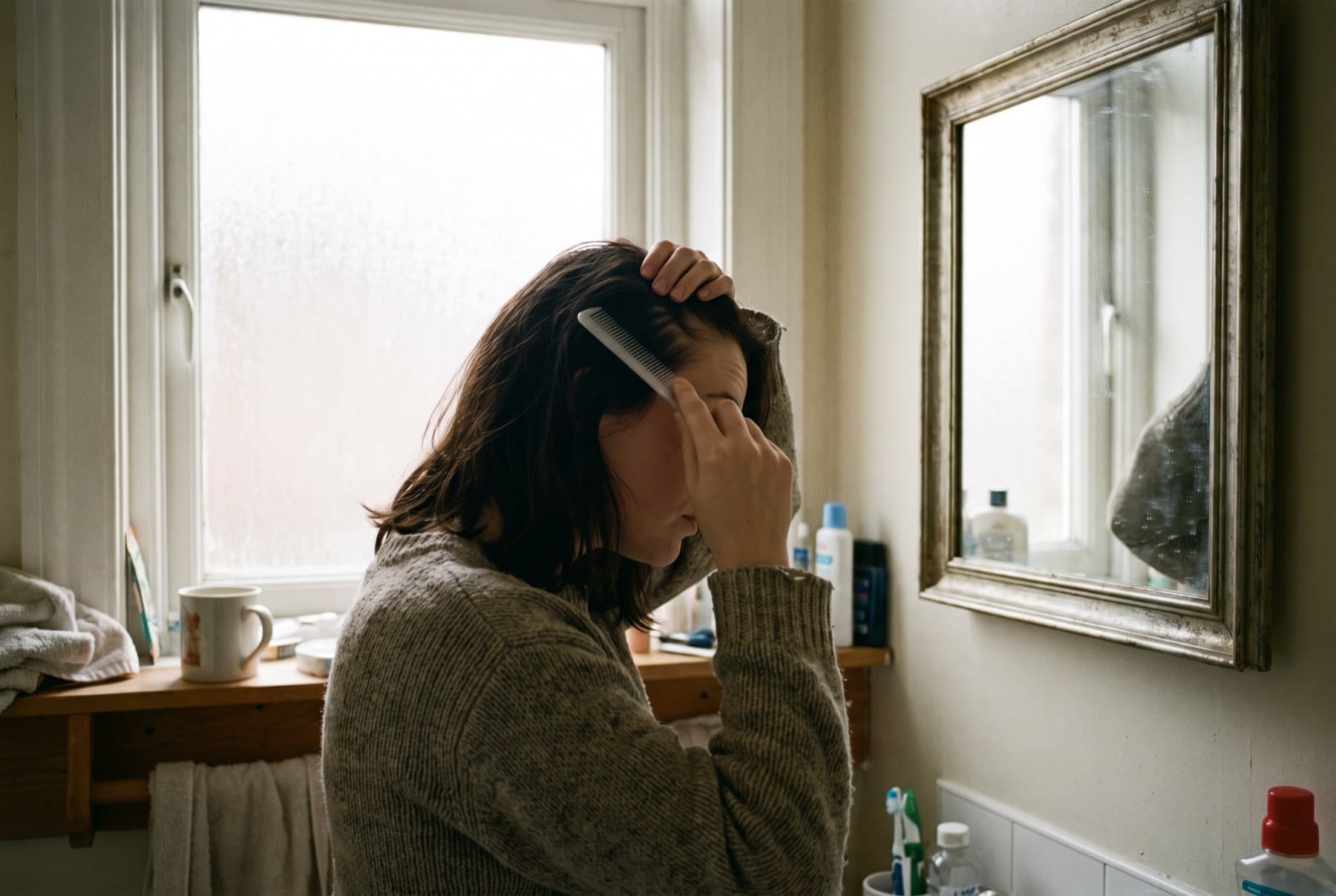
Yes, hair relaxer cancer lawsuits are active, and they are consolidated in MDL 3060 in federal court in Chicago, with 12,129 cases pending as of September 1, 2026. Women who regularly used chemical relaxers or straighteners and were later diagnosed with uterine or ovarian cancer may qualify to file their own claim. There is no settlement yet, and filing deadlines depend on your state, so the first step is getting your diagnosis date and product history together.
This page explains what the cases allege, where the MDL stands, who is most likely to qualify, and what you can do now.
Key takeaways.
- As of September 1, 2026, the JPML reported 12,129 cases pending in MDL 3060, out of 16,561 filed in total.
- An NIH Sister Study of 33,947 women found frequent relaxer users (more than four times a year) had more than twice the uterine cancer risk of non-users.
- Judge Mary M. Rowland of the Northern District of Illinois oversees the MDL, which the JPML created on February 6, 2023.
- Judge Rowland narrowed the bellwether pool from ten cases to five in late August 2026; no trial date had been fixed as of mid September 2026.
- There is no global settlement and no average payout. Claims are individual, so deadlines depend on your state.
You may qualify if.
- You used chemical hair relaxers or straighteners regularly, often several times a year over many years.
- You were diagnosed with uterine (endometrial) cancer, or in some cases ovarian cancer, after that use.
- You can identify the relaxer brands you used and roughly when, so an attorney can match them to the manufacturers named in the litigation.
- Family members of a woman who died of one of these cancers may have a wrongful death claim.
- People who used relaxers only a few times, or whose cancer is unrelated to the uterus or ovaries, are less likely to qualify.
What to gather.
- 1Medical records with the cancer diagnosis, pathology report, and treatment (such as hysterectomy).
- 2A list of relaxer brands you used, roughly when, how often, and where you bought them or had them applied.
- 3Any old containers, receipts, salon records, or photos showing the products.
- 4Names of salons or stylists who applied relaxers, and people who can confirm your use history.
- 5Records of other risk factors your doctor has noted, which defendants will raise.
What the hair relaxer lawsuits allege
Chemical relaxers and straighteners permanently change the structure of curly or coily hair. They are used disproportionately by Black women, often starting in childhood and repeated every few weeks or months for decades. According to the JPML order creating the MDL, the lawsuits allege the products contain phthalates, including di-2-ethylhexylphthalate (DEHP), or other endocrine-disrupting chemicals, and that using them caused or increased the risk of uterine, ovarian, or breast cancer, endometriosis, uterine fibroids, or other reproductive injuries. They also claim manufacturers knew or should have known and did not warn users.
The legal wave followed an NIH study published October 17, 2022 in the Journal of the National Cancer Institute. Researchers following 33,947 women in the NIEHS Sister Study for almost 11 years found that women who used straightening products more than four times in the previous year were more than twice as likely to develop uterine cancer as non-users. The lead author estimated uterine cancer risk by age 70 at 1.64% for never-users and 4.05% for frequent users.
These are individual personal injury claims gathered into a mass tort, not a single class action. Each woman's case turns on her own use history and diagnosis. The manufacturers deny that their products cause cancer, and no court has ruled on that question.
Legally, the claims are product liability claims under state law: failure to warn, design defect, negligence, and breach of warranty, plus consumer protection claims in some states. The central fight is causation, in two layers. General causation asks whether relaxer chemicals can cause uterine cancer at all; specific causation asks whether they caused a particular woman's cancer. Expert testimony on both is being tested now in the MDL.
Cosmetics are regulated more lightly than drugs. Unlike over-the-counter drugs, cosmetics do not go through FDA premarket approval, which means manufacturers generally cannot argue that FDA-approved labeling shields them the way some drug makers can.
Where MDL 3060 stands in 2026
The Judicial Panel on Multidistrict Litigation centralized the federal cases on February 6, 2023 as In re: Hair Relaxer Marketing, Sales Practices, and Products Liability Litigation, MDL No. 3060, lead case No. 1:23-cv-818, before Judge Mary M. Rowland in the Northern District of Illinois. A multidistrict litigation handles pretrial work for all federal cases in one court, then sends cases back for trial if they do not settle.
| Measure | Figure | Date |
|---|---|---|
| Cases pending | 12,129 | Sept. 1, 2026 |
| Total cases filed (historical) | 16,561 | Sept. 1, 2026 |
| Bellwether pool | Cut from 10 to 5 | Late Aug. 2026 |
The gap between total and pending cases reflects cases dismissed, remanded, or otherwise closed over time. Recent orders have focused on expert witnesses and discovery. Magistrate Judge Beth W. Jantz kept general discovery against a second wave of defendants open through July 15, 2027. No bellwether trial date had been confirmed as of mid September 2026.
Additional cases are pending in state courts, which run on their own schedules.
Who may qualify for a hair relaxer lawsuit
Attorneys handling these cases generally look for three things:
- Regular use. Frequent, long-term use of chemical relaxers or straighteners, at home or in a salon. The Sister Study's elevated risk was tied to more than four uses in a year.
- A qualifying diagnosis. Uterine cancer, including endometrial cancer, is the core injury. Some firms also review ovarian cancer and related surgeries such as hysterectomy.
- Product identification. You need to name the brands you used. The defendants who responded when the MDL was formed were the L'Oreal companies and SoftSheen-Carson, Namaste Laboratories and its parent Dabur International, Strength of Nature and Godrej SON Holdings, and House of Cheatham. Other manufacturers have been added in later waves.
You are less likely to qualify if your use was occasional, if you used only heat straightening (no chemicals), or if your cancer is of a type not linked in the research. Your age, family history, and other risk factors do not automatically disqualify you, but defendants will raise them.
The JPML's order creating the MDL described the injuries at issue more broadly than uterine cancer alone: the actions allege relaxer use caused or increased the risk of uterine, ovarian, or breast cancer, endometriosis, uterine fibroids, or other injuries to the reproductive system. In practice, attorneys have focused on uterine and ovarian cancers because that is where the research is strongest. If you had fibroids, endometriosis, or a hysterectomy without a cancer diagnosis, ask specifically whether the attorneys reviewing your case accept those injuries, since practices vary.
You do not need receipts from decades ago. Many women identify products through family memories, photos, salon records, and brand histories. What matters most is a consistent, accurate account of what you used and when.
What compensation could look like
No hair relaxer case has gone to trial or settled globally, so there is no average payout, and anyone quoting one is guessing. In mass torts, settlements usually use a points system that scores each claim by factors like:
- the type and stage of cancer and the treatment required (for example, hysterectomy or chemotherapy);
- age at diagnosis and effect on fertility;
- length and frequency of relaxer use and strength of product proof;
- other risk factors in the medical record.
Damages in individual cases can include medical costs, lost wages, pain and suffering, and loss of fertility. Families of women who died may pursue a wrongful death claim. Attorneys in mass torts typically work on contingency, taking a percentage of any recovery and nothing if the case loses. For how these differ from class actions, see class action vs. mass tort.
Be cautious about any website that quotes a specific hair relaxer payout range. With no verdicts and no settlement, those figures are projections, not facts.
Hair relaxer lawsuit deadlines
Each woman's claim is governed by her state's statute of limitations for personal injury, often two or three years. Many states start the clock when you knew or reasonably should have known that your injury might be linked to the product, which some courts may tie to the October 2022 publicity about the NIH study. For many women diagnosed before late 2022, that means the deadline may have already run or be close.
Wrongful death claims have their own deadlines, usually measured from the date of death. Because the rules vary so much, a diagnosis and a date are the two facts to get to an attorney quickly.
The NIH study behind the hair relaxer lawsuits
Almost every hair relaxer complaint cites the same research, so it helps to know exactly what it found and what it did not.
| Study detail | Figure |
|---|---|
| Women in the NIEHS Sister Study analysis | 33,947, ages 35 to 74 |
| Follow-up period | Almost 11 years |
| Uterine cancers diagnosed | 378 |
| Risk by age 70, never-users | 1.64% |
| Risk by age 70, frequent users | 4.05% |
"Frequent" meant using straightening or relaxing products more than four times in the year before enrolling. Women answered questions about the hair products they had used in the prior year when they joined the study, and researchers then tracked who developed uterine cancer. The American Cancer Society reported that the study did not find the same association for other hair products including hair dyes, highlights, and perms.
The lead author, NIEHS epidemiologist Alexandra White, described the jump from 1.64% to 4.05% as a doubling rate that is concerning, while noting uterine cancer is still relatively rare. Because Black women use relaxers more often and often start younger, the findings drew particular attention in that community.
Two limits matter for the lawsuits. First, an observational study shows an association, not proof that relaxers caused any particular cancer. Second, it measured use in a single year before enrollment, while plaintiffs typically describe decades of use. Both sides' experts are now arguing over what the study and later research can support, which is exactly what the MDL court is weighing before any trial.
How the hair relaxer MDL got here
The litigation grew fast. When plaintiffs first asked the JPML to centralize the cases, there were nine actions in four districts. By the time the panel ruled on February 6, 2023, it had been notified of 44 more related federal cases in 15 additional districts. The defendants opposed centralization and, as a fallback, asked for the Southern District of New York; the panel chose the Northern District of Illinois and Judge Mary M. Rowland.
The panel described the common questions as whether exposure to phthalates, including DEHP, or other endocrine-disrupting chemicals in hair relaxers causes injury to the reproductive system, and when the defendants knew or should have known about any risk. By September 1, 2026, the docket had grown to 16,561 total cases filed, with 12,129 still pending.
The MDL now runs on two tracks. The first wave of defendants is in expert and bellwether preparation, with the bellwether pool cut to five cases. A second wave of later-added defendants remains in general discovery, which Magistrate Judge Beth W. Jantz extended through July 15, 2027. Recent disputes include a fight over whether the plaintiffs may substitute a new general causation epidemiologist after an earlier expert withdrew. These rulings will decide which cases, if any, reach a jury first.
See our guide to what an MDL is for how bellwether trials shape settlements.
What to do now if you used hair relaxers and have cancer
- Get your medical records, especially the pathology report and dates of diagnosis and surgery.
- Write down your relaxer history: brands, years, how often, home or salon. Ask family members and stylists what they remember.
- Save any products or packaging you still have, and photos showing them.
- Keep treating with your doctors and follow their advice; a lawsuit never replaces medical care.
- Be wary of payout promises. No settlement exists yet.
Independent attorneys who handle hair relaxer cases can review your history and state deadline. A free case review takes about two minutes. You may also want to read about hair dye cancer lawsuits and talc ovarian cancer lawsuits.
Case timeline
2022-10-17
NIH Sister Study linking frequent hair straightener use to higher uterine cancer risk is published.
2023-02-06
JPML creates MDL No. 3060 in the Northern District of Illinois before Judge Mary M. Rowland.
2026-08-27
Judge Rowland narrows the bellwether pool from ten cases to five (reported September 1, 2026).
2026-09-01
JPML reports 12,129 cases pending in MDL 3060 and 16,561 filed in total.
Hair relaxer cancer: common questions.
Is there a class action lawsuit for hair relaxer cancer?
The main litigation is not a class action but an MDL, MDL No. 3060 in the Northern District of Illinois, where each woman files her own personal injury case. As of September 1, 2026, 12,129 cases were pending before Judge Mary M. Rowland.
Who qualifies for the hair relaxer lawsuit?
Generally, women who used chemical relaxers or straighteners regularly over years and were later diagnosed with uterine cancer, and in some cases ovarian cancer. You need to identify the brands you used and have medical records of the diagnosis.
How much is the hair relaxer settlement per person?
There is no hair relaxer settlement yet, and no trial has taken place, so there is no per-person amount. Any future settlement would likely use a points system based on diagnosis, treatment, age, and proof of use.
What companies are in the hair relaxer lawsuit?
The companies that responded when MDL 3060 was formed were L'Oreal USA and SoftSheen-Carson, Namaste Laboratories and Dabur International, Strength of Nature and Godrej SON Holdings, and House of Cheatham. Additional manufacturers have been added in later waves of the litigation, so bring your brand list to an attorney to check.
When will the hair relaxer lawsuit be settled?
No one knows. As of September 2026, the judge had narrowed the bellwether pool to five cases and expert challenges were underway, but no trial date was confirmed. Settlements in mass torts often follow early bellwether trial results.
Do hair relaxers cause uterine cancer?
An NIH study of 33,947 women found frequent users had more than twice the risk of uterine cancer, estimating 4.05% risk by age 70 versus 1.64% for never-users. That is an association, and whether relaxers cause cancer is the central disputed question in the lawsuits.
Sources.
Statutes, court rules, appellate opinions, and bar publications we relied on. See our editorial standards.
- 1.JPML: Pending MDL dockets by actions pending, report date September 1, 2026 (PDF)
- 2.JPML: Pending MDL dockets by MDL number, September 1, 2026 (PDF)
- 3.JPML transfer order creating MDL No. 3060 (Feb. 2023)
- 4.NIEHS Environmental Factor: Hair straighteners and uterine cancer (Nov. 2022)
- 5.American Cancer Society: Study finds possible link between hair straightening chemicals and uterine cancer (Oct. 26, 2022)
- 6.Lawsuit Information Center: Hair relaxer lawsuit updates (Sept. 14, 2026)
Related cases and settlements.
All lawsuits
Lawsuit
Hair dye cancer
As of September 2026, hair dye bladder cancer lawsuits by salon workers are pending, including cases coordinated in Los Angeles Superior Court since June 26, 2025; there is no federal MDL, trial verdict, or settlement.
Lawsuit
J&J talc ovarian cancer
As of September 2026, Johnson & Johnson's proposed $5.5 billion ovarian cancer talc settlement is being finalized, 69,250 cases remain pending in MDL 2738 before Judge Michael Shipp, and the deal only takes effect if 95% of eligible claimants accept.
Lawsuit
Shampoo hair loss (OGX, TRESemme, Suave)
As of September 2026, the OGX class action (Carr v. J&J, E.D.N.Y.) was dismissed on September 25, 2026 after a summary judgment ruling, the TRESemme class action was dismissed in 2022, and an individual TRESemme case lost at summary judgment in July 2026 and is on appeal.

Lawsuit
Depo-Provera meningioma
As of September 2026, MDL 3140 had 6,403 pending cases before Judge M. Casey Rodgers in the Northern District of Florida, and Pfizer reported a June 2026 agreement in principle expected to resolve a substantial majority of them; final terms had not been made public.