Sexual abuse and exploitation
Lawsuit filedSnapchat Sex Abuse Lawsuit: Grooming and Sextortion Claims Against Snap
Families are suing Snap over children groomed, sextorted, or assaulted through Snapchat, and several states have sued too. See who qualifies and case status.
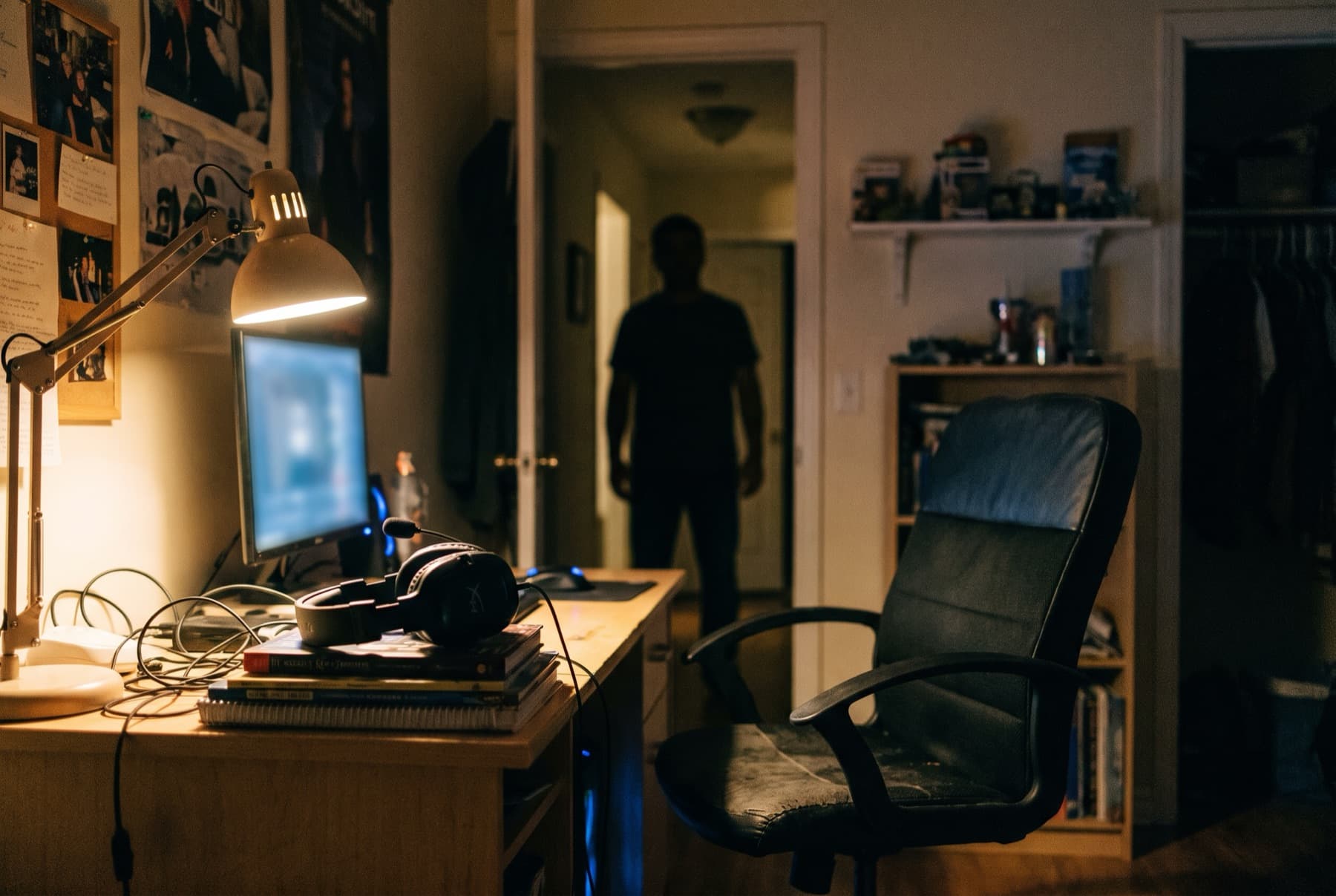
Families are suing Snap Inc. claiming Snapchat's design helped adults find, groom, sextort, and sexually assault children, and if your child was harmed this way you may have an individual claim. As of September 2026, there is no Snapchat class action or settlement for abuse survivors; each case is brought separately, and some are part of the federal Roblox exploitation MDL where contact moved from Roblox to Snapchat. Several states have also sued Snap.
Snap denies the allegations and relies heavily on Section 230, a federal law that shields platforms from many claims about user conduct. None of the private abuse claims described here has been proven at trial.
Key takeaways.
- Snapchat abuse lawsuits are individual injury cases; as of September 2026 there is no class action or settlement fund for survivors.
- The central legal hurdle is Section 230: in Doe v. Snap, the Fifth Circuit dismissed a teen's claims and the Supreme Court declined review on July 2, 2024.
- Plaintiffs now focus on Snap's own design, such as Quick Add, disappearing messages, and location sharing, rather than what abusers said.
- New Mexico sued Snap in September 2024 over child sexual exploitation, and Florida and Utah followed in 2025.
- Snap is also named in Roblox exploitation cases where predators moved children from Roblox to Snapchat.
You may qualify if.
- A minor who was contacted on Snapchat by an adult and then groomed, pressured into sending images, sextorted, or sexually assaulted.
- Children who were found by a predator through Quick Add friend suggestions, Snap Map location sharing, or public profiles.
- Cases where contact began on Roblox, Discord, or a game and moved to Snapchat.
- Adults who were abused as minors through Snapchat, since many states extend deadlines for childhood sexual abuse.
- Families of teens harmed by sextortion schemes run over Snapchat.
- The separate Illinois Snapchat biometric privacy settlement is a different case and does not cover abuse.
What to gather.
- 1The child's Snapchat username and the abuser's usernames, display names, and any Snapcodes.
- 2Screenshots of chats, friend requests, and any saved messages, taken without deleting the account.
- 3Police reports, NCMEC CyberTipline report numbers, and any criminal case records.
- 4Records of reports to Snap and any response.
- 5Medical, counseling, and school records showing effects on the child.
- 6Do not save or share sexual images of a minor; tell police and your attorney where they are.
What the Snapchat abuse lawsuits claim
The lawsuits focus on how Snapchat's features work, not just on what abusers did. According to the complaints, the features that matter most are:
- Quick Add: friend suggestions that plaintiffs say connect adults with children they do not know.
- Disappearing messages: which families say gave abusers confidence that evidence would vanish.
- Snap Map and location sharing: which can reveal where a child is.
- Weak age verification: letting children under 13 sign up and adults pose as teens.
An example complaint
On June 25, 2026, the Social Media Victims Law Center and Holland Law Firm filed a federal lawsuit on behalf of a Missouri family whose 12-year-old daughter, they allege, was groomed through Snapchat by a 25-year-old man who assaulted her in September 2021. The complaint points to Quick Add, Bitmoji avatars, disappearing messages, and location sharing as the design features that let the predator find and manipulate the child. These are allegations Snap has not admitted.
Sextortion
Many families describe sextortion: someone, often posing as a teen, persuades a child to send an image and then demands money or more images. Some of these cases have ended in suicide, which can support wrongful death claims.
Where Snapchat abuse cases stand
| Case | Type | Status |
|---|---|---|
| Doe v. Snap | Private, Texas | Dismissed; review denied 2024 |
| New Mexico v. Snap | State AG | Pending, Santa Fe |
| Florida v. Snap | State AG | Filed April 2025 |
| Utah v. Snap | State AG | Filed June 30, 2025 |
| MDL 3166 | Private, federal | Snap named in some cases |
Doe v. Snap
A Texas teen groomed by his teacher through Snapchat sued Snap. The Fifth Circuit held Section 230 barred his claims. On July 2, 2024, the U.S. Supreme Court denied review, with Justices Thomas and Gorsuch dissenting and urging the Court to reconsider how far Section 230 reaches.
State lawsuits
New Mexico Attorney General Raul Torrez sued Snap in September 2024, alleging its design facilitates sextortion and child sexual exploitation and that Snap misled the public about safety; the state seeks civil penalties of up to $5,000 per violation and an injunction. Florida sued in April 2025 under its 2024 law restricting social media accounts for young children and its deceptive practices law. Utah sued on June 30, 2025, alleging addictive design and that Snapchat facilitates drug sales and sextortion. State cases do not pay individual families.
Federal MDLs
Snap is a defendant in some cases in the Roblox and Discord exploitation MDL, where the court has issued orders on preserving Snap and Instagram account information. Addiction claims against Snap are handled separately; see social media addiction lawsuits.
Who may qualify for a Snapchat abuse claim
You may have a claim if:
- The victim was a minor when the contact happened.
- The abuser found or contacted the child on Snapchat, or moved contact there from another app.
- The contact led to grooming, sexual messages, coerced images, sextortion, or physical sexual assault.
- The child suffered harm, such as trauma, depression, self-harm, or the need for treatment.
Cases are stronger when the complaint can tie the harm to a specific feature, such as a Quick Add suggestion that connected the child to the abuser, or location sharing that let the abuser find them.
Who probably does not qualify
Unwanted messages that went nowhere, bullying between classmates, or harms with no link to Snapchat features usually do not support a case against Snap. You may still have claims against the abuser personally.
What compensation could look like
No Snapchat child sexual abuse case has produced a public verdict or settlement amount that families can use as a benchmark. If a case succeeds, damages can include therapy and medical costs, pain and suffering, emotional distress, and in some states punitive damages. Wrongful death damages may be available where sextortion led to a child's death; see wrongful death claim.
Federal law, 18 U.S.C. 2255, lets victims of certain child sexual exploitation crimes recover actual damages or $150,000 in liquidated damages from the offender, with no time limit since 2022. That remedy runs mainly against the abuser, not the platform.
Families should also know about the Illinois Snapchat biometric privacy settlement, which is about face filters and data, not abuse; it does not affect abuse claims. For how individual injury cases differ from class settlements, see class action vs. mass tort.
The law behind Snapchat abuse claims
Section 230
Section 230 of the Communications Decency Act says platforms are not treated as the publisher of content their users post. Courts have used it to dismiss claims that Snap should have stopped abusers' messages, as in Doe v. Snap. Plaintiffs respond that design defect and failure to warn claims target Snap's own product decisions.
Claims plaintiffs bring
- Product liability: defective design and failure to warn parents about known risks.
- Negligence: failing to use reasonable care in designing features used by children.
- Federal trafficking and exploitation laws: some complaints claim Snap benefited from a venture involving the sexual exploitation of children. See our human trafficking lawsuit page.
- Consumer protection: the basis for the state cases, alleging Snap misrepresented safety.
Snap's terms of service also include an arbitration clause, but a 2022 federal law lets survivors of sexual assault choose court over forced arbitration for those claims.
Deadlines for Snapchat abuse claims
Deadlines vary by state. For injuries to a child, most states do not start the statute of limitations until the child turns 18, and many states have lengthened or removed deadlines for childhood sexual abuse. Claims against a company, claims by parents, and wrongful death claims can have shorter limits.
If criminal charges are pending against the abuser, do not wait for the criminal case to end before speaking with an attorney about civil deadlines.
Snapchat safety settings parents should check
Settings change over time, but these controls are worth reviewing with your child now:
- Who can contact me: set to friends only, so strangers cannot send messages.
- Quick Add: turn off the option to appear in other users' Quick Add suggestions.
- Snap Map: turn on Ghost Mode so your child's location is not shared.
- Family Center: Snap's parental tool lets parents see who their teen is friends with and messaging, without seeing message content.
- Age on the account: make sure the birthdate is accurate, since some protections depend on it.
Settings help, but they do not stop a child from accepting a friend request from someone pretending to be a peer, so regular conversations matter as much as controls.
Signs of sextortion
Sextortion schemes often target teenage boys. A new contact who seems to be a teenage girl quickly moves to sexual conversation, obtains an image, and then demands money, gift cards, or more images, threatening to send the image to family and friends. Tell your child that if this happens, they should stop responding, not pay, keep the messages, and tell you immediately. The FBI and NCMEC both publish guidance for families facing sextortion.
Saving evidence safely
Because Snapchat messages can disappear, take screenshots of usernames and conversations as soon as you learn of a problem, and ask police about preserving account data. Snap receives legal requests from law enforcement for account records, which can be important evidence in both criminal and civil cases.
Schools and other adults
Some of the Snapchat cases, including Doe v. Snap, involved adults the child already knew, such as a teacher or coach, who used the app to groom the child privately. If the abuser was an employee of a school, church, or youth organization, that institution may also be responsible. See our page on institutional sexual abuse lawsuits for how those claims work, and report the abuse to the organization and to police.
What happens to evidence on Snap's side
Snap keeps some account data, such as login records and friend lists, even when messages disappear, and it responds to legal requests from police. The sooner police or an attorney ask Snap to preserve an account, the more likely records still exist, which is another reason to report quickly rather than waiting.
Write down a timeline while details are fresh: when contact began, the usernames involved, what was requested or sent, and when you reported it. A timeline helps police and attorneys and means your child does not have to repeat the account many times. Keep it private and share it only with the people helping you.
What to do now
- Stop contact and keep your child safe. If someone is threatening to share images, do not pay; payments rarely end the threats.
- Report it to local police and the NCMEC CyberTipline, and use Snapchat's in-app reporting. NCMEC's Take It Down service can help remove images of minors.
- Preserve evidence with screenshots of usernames and chats. Do not delete the account.
- Get support from a doctor or counselor, which also documents the harm.
- Do not sign anything from Snap or respond to settlement offers without legal advice.
A free case review takes about two minutes, is confidential, and can connect you with independent attorneys who handle online exploitation cases. Related: Roblox lawsuits.
Case timeline
July 2, 2024
Supreme Court denies review in Doe v. Snap, leaving the Section 230 dismissal in place.
September 2024
New Mexico Attorney General sues Snap over child sexual exploitation and sextortion.
April 2025
Florida Attorney General sues Snap under the state's social media law and deceptive practices law.
June 30, 2025
Utah sues Snap, alleging addictive design and facilitation of drug sales and sextortion.
December 12, 2025
JPML creates MDL 3166 for Roblox exploitation cases, some of which also name Snap.
June 25, 2026
Missouri family files federal suit alleging Snapchat features enabled grooming and assault of a 12-year-old.
Snapchat sexual exploitation: common questions.
Can you sue Snapchat for sexual abuse?
Yes, families are filing individual lawsuits claiming Snapchat's design helped predators groom and abuse children. Snap defends with Section 230, which has led courts to dismiss some claims, so cases focused on specific design features tend to be stronger.
Is there a Snapchat class action for sexual exploitation?
No. As of September 2026, Snapchat abuse claims are individual injury cases, some coordinated in the federal Roblox exploitation MDL. The Snapchat biometric privacy settlement in Illinois is unrelated.
Which states are suing Snapchat?
New Mexico sued Snap in September 2024 over child sexual exploitation, Florida sued in April 2025, and Utah sued on June 30, 2025. Those cases seek penalties and changes, not payments to individual families.
What happened in Doe v. Snap?
A Texas teen groomed by a teacher on Snapchat sued Snap. The Fifth Circuit held Section 230 barred the claims, and the Supreme Court denied review on July 2, 2024, with two justices dissenting.
How much is a Snapchat abuse lawsuit worth?
There are no public verdicts or settlements to use as benchmarks. Value depends on the severity of the abuse and harm, the evidence tying it to Snapchat's features, and state law.
What should I do if my child is being sextorted on Snapchat?
Do not pay, stop responding, save screenshots of usernames and messages, and report it to police and the NCMEC CyberTipline. NCMEC's Take It Down tool can help remove images of minors.
Sources.
Statutes, court rules, appellate opinions, and bar publications we relied on. See our editorial standards.
- 1.Cornell LII: Doe v. Snap, Inc., No. 23-961, certiorari denied (July 2, 2024)
- 2.Tech Policy Press: State of New Mexico v. Snap Inc. litigation tracker
- 3.CBS Miami: Florida attorney general sues Snapchat (April 2025)
- 4.Utah Department of Commerce: Utah sues Snapchat (June 30, 2025)
- 5.Social Media Victims Law Center: Snapchat lawsuit and June 25, 2026 Missouri filing
- 6.Nigh Goldenberg: MDL 3166 pretrial orders (Snap and Instagram account information order)
- 7.Cornell LII: 18 U.S.C. 2255, civil remedy for victims of child sexual exploitation
Related cases and settlements.
All lawsuits
Settlement, $35 million
Snapchat Illinois biometric privacy (BIPA)
Lawsuit
Roblox and Discord exploitation
As of September 2026, 182 child exploitation lawsuits are pending against Roblox, often with Discord as a co-defendant, in MDL 3166 before Chief Judge Richard Seeborg, with a hearing on motions to compel arbitration set for January 13, 2027 and no trial dates yet.

Lawsuit
Social media addiction
As of September 2026, about 3,210 cases are pending in MDL 3047, a Los Angeles jury returned the first plaintiff verdict ($6 million) in March 2026, and Meta and TikTok have announced state attorney general settlements, while individual injury claims remain open.
Lawsuit
Roblox
As of September 2026, Roblox addiction claims are pending in coordinated Los Angeles cases and elsewhere, the Colvin gambling class action and a children's privacy class action are pending in federal court, and the old $10 million Robux settlement closed in 2023.