Beauty and personal care
Lawsuit filedHello Toothpaste Heavy Metals Lawsuit: Is Hello Toothpaste Safe?
Class actions say hello toothpaste contains lead and mercury. The New York case awaits a ruling on dismissal; NY and CA buyers may qualify. What we know.
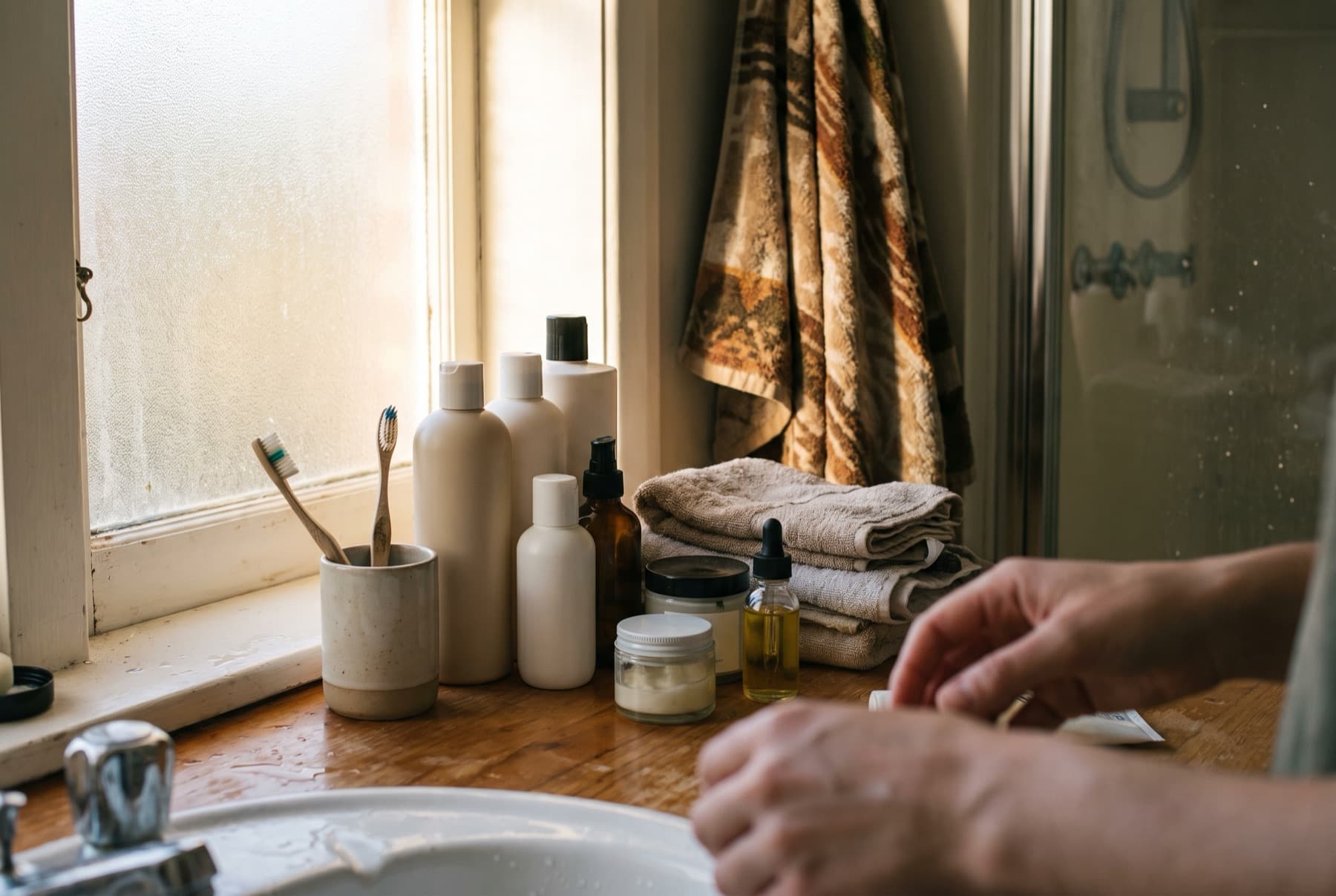
Yes, there is a pending class action over heavy metals in hello toothpaste, but no settlement, no certified class, and no court finding that the product is unsafe. The lead case is Browne v. Hello Products LLC, No. 1:25-cv-05698 in the Southern District of New York, and it covers claims from New York and California buyers. If you bought hello or hello kids toothpaste, save your receipts; there is nothing to file yet.
Whether hello toothpaste is safe is a fair question, and the answer is more nuanced than the headlines. This page lays out what testing found, what the courts have done, and what parents can reasonably do now.
Key takeaways.
- Independent testing by Lead Safe Mama found lead in 46 of 51 toothpastes, about 90%, in its 2025 chart, including two hello products.
- Lawsuits over hello toothpaste are consolidated in federal court in Manhattan, and a motion to dismiss was fully briefed on August 6, 2026.
- A related case against Colgate lost its heavy metal omission claims on June 25, 2026 because of federal preemption, a sign of the hurdle these cases face.
- A Tom's of Maine kids toothpaste lead case was voluntarily dismissed with prejudice on August 4, 2026.
- No regulator has recalled hello toothpaste or found it unsafe; the lawsuits are allegations.
You may qualify if.
- You bought hello toothpaste, including hello kids flavors such as Unicorn Sparkle, Smiling Shark, or Dragon Dazzle, for personal or family use.
- You bought it in New York or California, the states covered by the proposed classes in the consolidated hello case.
- Your purchases fall within roughly the past three to four years, depending on your state's limitations period.
- You would not have bought the toothpaste, or would have paid less, had you known about the alleged lead and mercury.
- These are refund cases: a child's elevated blood lead level is a separate personal injury question that needs medical records.
What to gather.
- 1Receipts, store app histories, or online orders showing the hello products, flavors, dates, and prices.
- 2Photos of each tube and box, including the lot code and any "natural" or kid-safe claims.
- 3Any unopened tubes, kept sealed in case independent testing becomes relevant.
- 4If a child's blood lead test came back elevated, the lab result and pediatrician notes.
What the hello toothpaste lawsuits claim
Hello Products LLC makes hello toothpaste, a brand owned by Colgate-Palmolive and sold with playful kids packaging and "natural" flavor claims. The lawsuits say those tubes contain lead, and in some cases mercury, that the companies did not disclose.
Browne v. Hello Products (New York)
Filed July 10, 2025 in the U.S. District Court for the Southern District of New York and assigned to Judge J. Paul Oetken, Browne is now the lead case. Related suits have been folded in, including Tal Nelkin v. Hello Products LLC, which was moved from Los Angeles to New York in February 2026.
Barton v. Colgate-Palmolive (California)
California parents Nathan Barton and Cynthia Fahrnkopf sued on October 22, 2025 in the Southern District of California over hello kids Unicorn Sparkle, Smiling Shark, and Dragon Dazzle. The Barton complaint says lab testing commissioned by the plaintiffs' lawyers found lead in every tested hello kids variety at 236 to 658 parts per billion (ppb). It claims violations of California's Unfair Competition Law, False Advertising Law, and Consumers Legal Remedies Act, and seeks refunds, not damages for physical injury. On March 12, 2026, the New York court granted an unopposed motion to consolidate Barton into Browne.
Other toothpaste heavy metal cases
- Brower v. Colgate-Palmolive Company, No. 1:25-cv-03348 (S.D.N.Y.), over lead and mercury in several Colgate toothpastes. It is covered in detail on our Colgate lawsuit page.
- White v. Colgate-Palmolive Co., No. 1:25-cv-00662 (E.D.N.Y.), filed February 6, 2025 over lead and arsenic in Tom's of Maine Kid's Natural Fluoride-Free Toothpaste in Silly Strawberry. The parties stipulated to dismissal with prejudice, and the court closed the case on August 4, 2026.
Hello and Colgate deny the allegations. None of the claims have been proven.
What testing found in hello and other toothpastes
Most of the public attention traces to crowdfunded lab testing by Lead Safe Mama, LLC, a lead poisoning prevention advocacy business run by Tamara Rubin. It published its chart in 2025 and updated it on April 22, 2025. It is consumer advocacy testing, not an FDA study, and each figure reflects the sample tested.
| Product (as listed) | Lead (ppb) | Mercury (ppb) |
|---|---|---|
| Hello Dragon Dazzle (kids) | 428.4 | 11.8 |
| Hello Fluoride Free, Fresh Watermelon (kids) | 493.0 | 19.0 |
| Colgate Watermelon Burst (kids) | 302.1 | 6.9 |
| Colgate Total Whitening | 539.0 | 10.4 |
| Tom's of Maine Kid's, Silly Strawberry | 240.0 | not listed here |
Across the full chart, 46 of 51 products tested positive for lead (90%), 33 for arsenic (65%), 24 for mercury (47%), and 18 for cadmium (35%). A handful of kids' products, such as Dr. Brown's Baby Toothpaste and Orajel Training Toothpaste, had no detectable lead, cadmium, mercury, or arsenic.
The Guardian, reporting on the results on April 17, 2025, noted that none of the products exceeded federal limits, and that the highest readings exceeded Washington state's newer limit of 1,000 ppb. Rubin has pointed to ingredients such as hydroxyapatite, calcium carbonate, and bentonite clay as likely sources.
Is hello toothpaste safe?
No court or federal agency has declared hello toothpaste unsafe, and it has not been recalled. At the same time, the FDA says there is no known safe level of exposure to lead, and children are the most sensitive. The practical questions for parents are how much toothpaste a child uses and how much is swallowed.
- The measured lead levels in the chart are in the hundreds of parts per billion. Toothpaste is used in small amounts and mostly spit out, which is very different from eating food at those levels.
- Young children do swallow some toothpaste. Using a rice-grain smear for toddlers and a pea-sized amount for older kids, and supervising brushing, reduces exposure from any brand.
- If you are worried about lead exposure from any source, a pediatrician can order a simple blood lead test.
This is general information, not medical advice. If you switch brands, check whether a replacement has been tested; some products marketed as "natural" scored worse in the chart than mainstream brands.
For context on how regulators think about lead in personal care products, the FDA has issued guidance recommending that lead in cosmetic lip products and externally applied cosmetics stay at or below 10 parts per million (10,000 ppb), and its data show over 99% of those products on the U.S. market are below that level. The hello readings in the Lead Safe Mama chart, 428.4 and 493 ppb, are far under that benchmark, although toothpaste is used in the mouth, and advocates argue any avoidable lead exposure for children is worth reducing.
Where the hello case stands now
Hello and Colgate moved to dismiss the consolidated New York case on June 11, 2026. The plaintiffs opposed on July 16, 2026, and the defense filed its reply on August 6, 2026. As of September 2026, the judge had not ruled.
The same judge's June 25, 2026 decision in the Colgate heavy metals case offers a preview. In Brower, he held that claims faulting a toothpaste label for not disclosing heavy metals are preempted by 21 U.S.C. section 379r(a), because FDA rules for anticavity toothpaste do not require that disclosure. He let claims proceed that voluntary marketing statements were misleading, and he dismissed plaintiffs who could not connect the testing to the products they personally bought. Hello's "natural" and kid-focused marketing is likely to be tested under the same framework.
No class has been certified. That step, if it happens, would come after the motion to dismiss. Read our guide on how long class action lawsuits take for a realistic timeline.
What a hello toothpaste settlement could pay
There is no hello settlement, and it is possible the case is dismissed. If it does settle, consumer refund settlements for toothpaste tend to be modest. The closest recent example is the Tom's of Maine contamination settlement: a $2.9 million fund that offered the average retail price of one product per household without receipts, or refunds for up to three products with proof of purchase, both subject to pro rata reduction.
A few points to keep expectations realistic:
- Refund cases pay back part or all of what you spent, not compensation for worry or hypothetical harm.
- Receipts usually raise the amount you can claim. See settlements that pay without proof of purchase for how that works.
- A child with a documented elevated blood lead level and a plausible link to a product is a different kind of claim, handled individually, and much harder to prove.
The law behind toothpaste heavy metal claims
The plaintiffs rely on state consumer protection laws that ban misleading labeling and omissions, along with common law fraud by omission and unjust enrichment. In California, the Consumers Legal Remedies Act has a three-year statute of limitations and the Unfair Competition Law has four, which is why the Barton class reaches back four years.
Fluoride toothpaste is an over-the-counter drug under federal law, and that is the defense's strongest card. The FDA sets the labeling rules through its anticavity monograph, and states cannot add different or additional label requirements. The plaintiffs' path around that is to attack statements the company chose to make, such as "natural" or kid-friendly safety messages, as affirmatively misleading. Fluoride-free hello products may be argued differently, since they are not sold under the anticavity drug monograph.
A case like this becomes a class action only if a judge certifies the class; until then it is a proposed class.
Which toothpastes tested lowest for lead
Parents searching whether hello is safe usually want a practical answer: what else can I buy? The same 2025 chart that flagged hello also sorted products by lead level, and the low end is useful. These are single-sample results from advocacy testing, not certifications, and formulas can change.
| Group in the chart | Examples listed | Lead (ppb) |
|---|---|---|
| No detectable lead, cadmium, mercury, or arsenic | Dr. Brown's Baby Toothpaste; Kids' Spry Tooth Gel with Xylitol; Orajel Training Toothpaste | Below 5 |
| Low detections | Radius Organic; Risewell Kids Mineral; Boka Nano-Hydroxyapatite | 16.8 to 32.0 |
| Kids fluoride options near 100 ppb | Orajel Kids Anticavity (Paw Patrol) | 100.1 |
| Highest in the chart | Primal Life Dirty Mouth Kids Tooth Powder | 7,800 |
Two patterns stand out. First, "natural" and "clean" branding did not predict low results; several tooth powders and clay-based products tested far higher than mainstream tubes. The three highest readings in the chart, from 3,500 to 7,800 ppb, were all tooth powders or clay-based natural products, not mainstream fluoride pastes. Second, most of the no-detect products were training gels or baby formulas, which are designed to be swallowed safely in small amounts.
What to look for on a label, based on the ingredients Lead Safe Mama flagged as likely sources:
- Bentonite or kaolin clay: the products with the highest lead levels in the chart all contained bentonite clay.
- Calcium carbonate: a common abrasive; the single-ingredient sample tested at 292 ppb lead.
- Hydroxyapatite: popular in fluoride-free pastes; the single-ingredient sample tested at 268.7 ppb lead.
Switching to a fluoride-free paste is a separate decision to make with your child's dentist, since fluoride is the ingredient anticavity toothpastes rely on. The key exposure control for any brand is the amount used and whether it is swallowed.
What to do now if you bought hello toothpaste
- Save proof of purchase. Pull receipts from store apps, Amazon, Target, or Walmart order histories.
- Photograph the tubes you still have, including the lot code.
- Talk to your pediatrician if you are concerned about lead exposure, and keep the records.
- Watch for a court notice. You do not need to do anything to stay in a proposed class.
- Ignore anyone charging a fee to "enroll" you in a toothpaste settlement. There is none yet, and real claims are always filed free on the official settlement website.
If your child had an elevated blood lead level, or you want to know whether your purchases fit a pending case, independent attorneys who handle product contamination cases can look at the details. A free case review takes about two minutes. You can also see related claims about heavy metals in baby food and heavy metals in candy.
Case timeline
2025-02-06
White v. Colgate-Palmolive filed in the Eastern District of New York over lead in Tom's of Maine Silly Strawberry kids toothpaste.
2025-04-17
The Guardian reports Lead Safe Mama testing that found lead in about 90% of 51 toothpastes.
2025-07-10
Browne v. Hello Products LLC filed in the Southern District of New York.
2025-10-22
Barton v. Colgate-Palmolive filed in the Southern District of California over hello kids toothpaste.
2026-03-12
Court consolidates the Barton case into Browne v. Hello Products.
2026-06-11
Hello and Colgate move to dismiss the consolidated case.
2026-06-25
Judge Oetken dismisses heavy metal omission claims in the related Brower v. Colgate case.
2026-08-04
Tom's of Maine kids toothpaste lead case (White) dismissed with prejudice by stipulation.
Toothpaste heavy metals (hello): common questions.
Is there a lawsuit against hello toothpaste?
Yes. Browne v. Hello Products LLC, No. 1:25-cv-05698 in the Southern District of New York, claims hello toothpaste contains undisclosed lead and mercury, and a California case over hello kids was consolidated into it in March 2026. A motion to dismiss was fully briefed in August 2026 and no class has been certified.
Does hello toothpaste have lead in it?
Independent testing published by Lead Safe Mama in 2025 reported 428.4 ppb lead in hello Dragon Dazzle and 493 ppb in a hello fluoride-free kids toothpaste. A lawsuit also alleges 236 to 658 ppb in hello kids varieties. Hello disputes the claims, and no regulator has recalled the product.
Is hello toothpaste safe for kids?
No court or federal agency has found hello toothpaste unsafe, but the FDA says there is no known safe level of lead exposure. Using only a rice-grain smear for toddlers and a pea-sized amount for older children, and teaching kids to spit, limits exposure from any toothpaste.
Which toothpastes have heavy metals?
Lead Safe Mama's 2025 chart found lead in 46 of 51 toothpastes tested, including products from Crest, Colgate, Sensodyne, Tom's of Maine, hello, Dr. Bronner's, and Davids. A few, such as Dr. Brown's Baby Toothpaste and Orajel Training Toothpaste, had no detectable lead, cadmium, mercury, or arsenic.
Is there a hello toothpaste settlement?
No. As of September 2026 there is no hello toothpaste settlement and nothing to file. If a settlement is reached, claims will be filed only on a court-approved settlement website.
What are the FDA limits for lead in toothpaste?
The Guardian reported that the FDA's limits are 10,000 ppb for fluoride-free toothpaste and 20,000 ppb for fluoride toothpaste, and that none of the tested products exceeded them. Washington state has a stricter 1,000 ppb limit for lead in cosmetics.
Sources.
Statutes, court rules, appellate opinions, and bar publications we relied on. See our editorial standards.
- 1.CourtListener docket: Browne v. Hello Products LLC, No. 1:25-cv-05698 (S.D.N.Y.)
- 2.CourtListener docket: Tal Nelkin v. Hello Products LLC, No. 1:26-cv-01434 (S.D.N.Y.)
- 3.Law Commentary: Parents sue Colgate claiming hello kids toothpaste contains unsafe levels of lead (Oct. 27, 2025)
- 4.Lead Safe Mama toothpaste chart, updated April 22, 2025 (PDF)
- 5.The Guardian: Toothpaste widely contaminated with lead and other metals, US research finds (Apr. 17, 2025)
- 6.Dechert: Standing and preemption deliver early dismissals in toothpaste heavy metals class action (July 29, 2026)
- 7.White v. Colgate-Palmolive Co., No. 1:25-cv-00662 (E.D.N.Y.), complaint (Feb. 6, 2025)
- 8.FDA: Lead in food and foodwares
Related cases and settlements.
All lawsuits
Settlement, $2.9 million
Tom's of Maine toothpaste
Lawsuit
Colgate toothpaste
As of September 2026, class actions over SLS in Colgate Total (S.D. Cal.) and heavy metals in Colgate and hello toothpastes (S.D.N.Y.) are pending with no settlement, and the $2.9 million Tom's of Maine settlement closed to claims on July 6, 2026.

Lawsuit
Candy arsenic and heavy metals (Nerds, Ferrara)
As of September 2026, Anstett v. Ferrara Candy Company, the arsenic class action over Nerds and other Ferrara candies, was voluntarily dismissed without prejudice on March 10, 2026, and we found no pending replacement case.

Lawsuit
Toxic baby food (heavy metals)
As of September 2026, MDL 3101 is pending before Judge Jacqueline Scott Corley in San Francisco, the defendants' summary judgment motion was argued on August 13, 2026, and a case management conference is set for October 14, 2026.