Tech, gaming, and social media
Lawsuit filedVideo Game Addiction Lawsuit: Fortnite, Minecraft, Roblox, and Call of Duty
Families are suing Epic, Microsoft, Roblox, and Activision, saying Fortnite, Minecraft, and more were built to addict kids. See 2026 status and who qualifies.
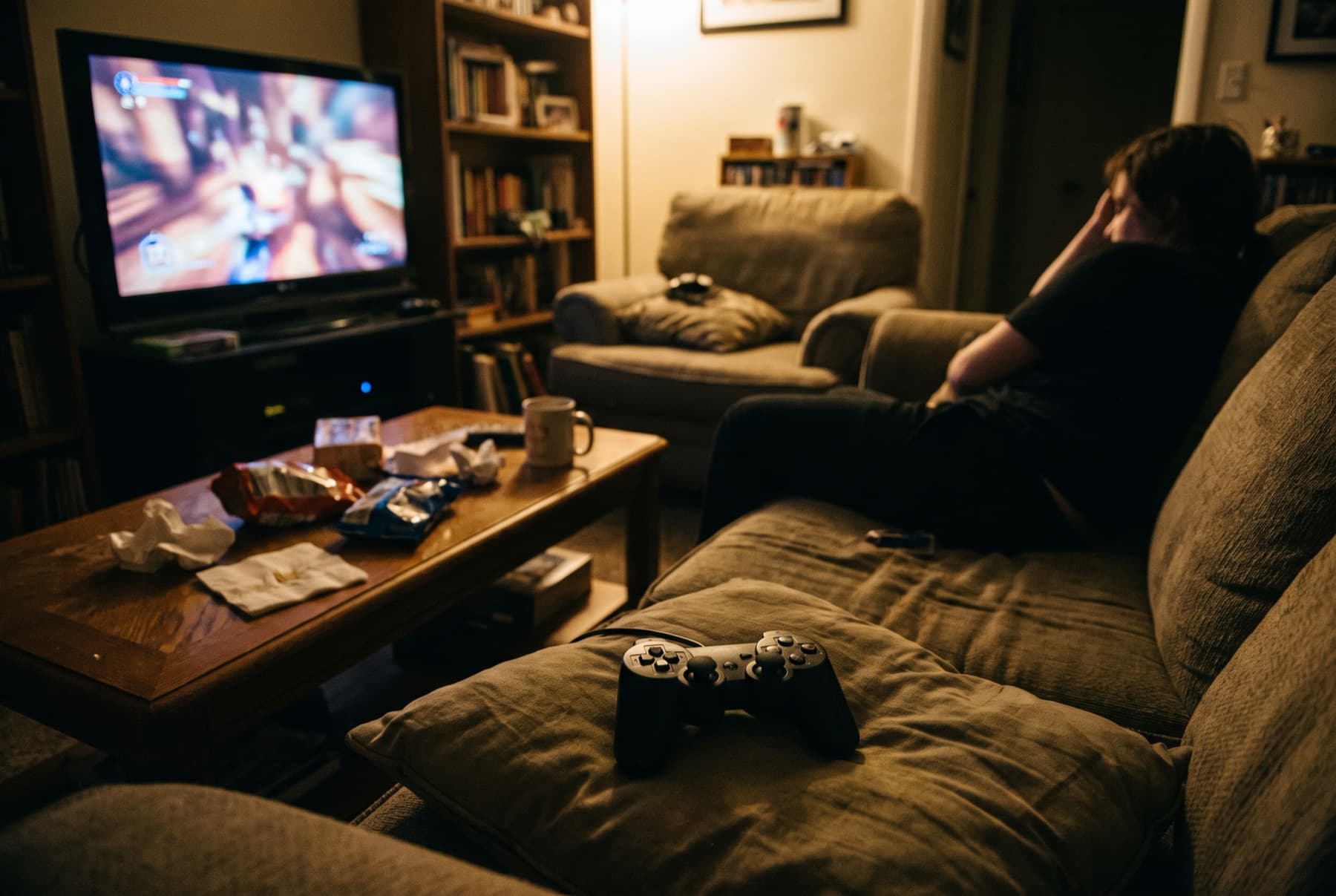
Yes, families are suing video game companies over addiction, but as of September 2026 there is no class action to join, no MDL, and no verdict or settlement in any video game addiction case. These are individual injury lawsuits against companies such as Epic Games, Microsoft, Roblox, and Activision, brought mostly on behalf of children who played for hours a day and were diagnosed with gaming disorder or related mental health conditions.
Here is what the cases claim, where they stand, who may qualify, and what to gather. All claims are allegations that the companies deny.
Key takeaways.
- The federal Judicial Panel on Multidistrict Litigation refused on June 5, 2024 to create a video game addiction MDL, finding too many different games and companies involved.
- About 40 cases against the makers of Fortnite, Roblox, Xbox, and Minecraft are consolidated in Los Angeles County Superior Court.
- Arbitration is the biggest obstacle: several courts have sent claims to private arbitration based on the games' terms of service.
- Epic Games paid $245 million for FTC refunds over Fortnite purchases, which is a separate program from the addiction cases.
- No addiction case has reached a verdict or public settlement, and the companies deny that their games cause addiction.
You may qualify if.
- A child or teen who played games such as Fortnite, Minecraft, Roblox, or Call of Duty for many hours a day, often starting before age 18.
- The player was diagnosed with or treated for gaming disorder, depression, anxiety, or related conditions, or suffered documented harm like dropping out of school.
- Parents who paid for treatment, residential programs, or large unauthorized in-game purchases.
- Cases are stronger when a doctor or therapist has documented the problem, not just a family's concern about screen time.
- Adults who started gaming as adults, or families without any diagnosis or treatment, are less likely to qualify.
What to gather.
- 1Account usernames for each game, platform, and console (PlayStation, Xbox, Nintendo, PC, phone).
- 2Playtime records: console activity logs, Screen Time or Family Link reports, and game account data downloads.
- 3Purchase history for in-game currency such as V-Bucks, Robux, Minecoins, or COD Points, plus bank or card statements.
- 4Medical, therapy, and school records that show diagnosis, treatment, and when problems began.
- 5Any messages or emails from the game company, including terms of service updates you accepted.
What the video game addiction lawsuits claim
The lawsuits argue that popular games were deliberately built with features borrowed from gambling and behavioral psychology to keep children playing and spending, and that companies did not warn parents. Common targets include daily login rewards, battle passes, limited-time items, loot boxes and random rewards, social pressure to keep playing with friends, and games with no natural stopping point.
Fortnite (Epic Games)
Claims focus on battle passes, rotating item shops, and V-Bucks purchases. Epic separately paid to settle FTC charges over purchase design in 2022, discussed below.
Minecraft (Microsoft and Mojang)
Plaintiffs point to open-ended play with no ending, achievements, and rewards that they say encourage longer sessions and frequent returns.
Roblox
Claims cite Robux spending, user-made games that use reward loops, and heavy use by young children. Roblox also faces separate lawsuits over child exploitation, covered on our Roblox lawsuit page.
Call of Duty (Activision Blizzard)
Early cases named Activision along with other publishers, alleging that ranked play, rewards, and in-game purchases fueled compulsive play by teens.
Many complaints also name console and store operators such as Sony, Nintendo, Apple, and Google.
Where the video game addiction cases stand
On June 5, 2024, the Judicial Panel on Multidistrict Litigation denied a request to centralize video game addiction lawsuits into a single federal MDL, concluding that the cases involved too many different games and developers. Federal cases therefore proceed one at a time in different courts.
In California, about 40 cases against the makers of Fortnite, Roblox, Xbox, and Minecraft are consolidated in Los Angeles County Superior Court before Judge Lawrence Riff. On June 30, 2026, Epic Games, Roblox, and Microsoft argued in the first test case that a mother and her 14-year-old must arbitrate their claims, even though the family said it did not recall agreeing to any terms. The judge took the question under submission.
Federal courts have repeatedly enforced the games' arbitration terms. In Orellana v. Roblox, a Florida federal court sent most claims to arbitration. In Tomlin v. Roblox Corporation, a federal court in Pennsylvania ruled on similar motions in 2026. The outcome of these fights will decide whether families get a jury trial or a private arbitration.
No video game addiction case has gone to trial, and there is no reported settlement of an addiction claim as of September 2026.
Why the arbitration fight matters so much: if a court sends a claim to arbitration, it is decided privately by an arbitrator, usually without a jury, with limited appeal rights, and the result is not public. Plaintiffs argue minors cannot be bound by terms they clicked, and that parents who never read or accepted the terms did not agree either. Game companies argue that whoever created or paid for the account accepted the terms. The Los Angeles ruling in the first test case is expected to influence how the rest of the coordinated cases proceed.
Who may qualify for a video game addiction lawsuit
Because each case is individual, the strength of a claim depends on the child's history and records. Attorneys reviewing these cases generally look for:
- Heavy, compulsive play: often several hours a day, with failed attempts to cut back.
- A diagnosis or treatment: gaming disorder, depression, anxiety, ADHD complications, or other conditions documented by a doctor or therapist. The World Health Organization recognizes gaming disorder in its ICD-11 classification.
- Concrete harm: falling grades or leaving school, withdrawal from family and friends, aggression when stopped, sleep problems, weight changes, or costly treatment.
- Financial loss: large in-game purchases a child made without meaningful parental control.
- Age: most cases involve players who started as minors.
Who probably does not qualify: adult players who began as adults, families with concerns about screen time but no diagnosis or treatment, and cases where the only harm is money spent on purchases that were clearly authorized. If the concern is mainly spending, see the FTC refund discussion below and our Fortnite FTC refunds page.
What compensation could look like
There are no verdicts or disclosed settlements in addiction cases yet, so there is no reliable per-case figure. If claims succeed, damages in injury cases can include treatment costs, including residential programs, counseling, future care, lost educational opportunity, and pain and suffering. Each claim would be valued on its own facts, as in any mass tort.
The closest real money so far is the FTC's Fortnite refund program: Epic agreed in December 2022 to pay $245 million to consumers over deceptive purchase design, plus a separate $275 million COPPA penalty. The FTC sent more than $72 million in refunds in December 2024 across more than 629,000 payments, and another $126 million in June 2025. Those refunds covered unwanted purchases, not addiction injuries.
The social media addiction litigation is the best comparison for where these cases could go. There, a Los Angeles jury awarded one plaintiff $6 million in March 2026. Video game cases are several years behind that timeline, and arbitration could keep many of them out of court entirely.
The law behind video game addiction claims
- Design defect: the game was designed in a way that made it unreasonably dangerous to children, for example by using reward schedules intended to create compulsive play.
- Failure to warn: the company knew about addiction risks for minors and did not warn players or parents.
- Negligence: the company did not use reasonable care in designing and marketing games to children.
- Consumer protection: marketing that hid how purchases and random rewards work.
The defenses are strong. Game companies argue that games are expressive works protected by the First Amendment, that Section 230 protects them from claims based on content other players create, and that addiction to gaming is not an established medical cause of the injuries claimed. Most importantly, they point to the arbitration clauses in their terms of service.
Children can generally disaffirm contracts, which plaintiffs argue should void arbitration agreements a minor clicked through. Courts have split on this, and several have held that a parent who created or approved the account agreed to arbitration.
Deadlines for video game addiction claims
Each state's statute of limitations applies, commonly 1 to 3 years for personal injury. In most states, the time limit for a minor's injury claim does not begin until the child turns 18, which is why many current cases are still timely.
- Parents' own claims, such as for medical costs they paid, may have a separate and shorter deadline.
- Some states start the clock when the family knew or should have known the injury was connected to the game.
- Arbitration agreements can include their own notice requirements and time limits, so read the game's current terms.
There is no settlement claim deadline because there is no settlement.
If your child is close to 18, or already an adult, the timing matters more. Talk to an attorney well before the 18th birthday plus your state's limit, since the exact start date can be disputed.
Signs of gaming disorder and getting purchase refunds
What doctors look for
The World Health Organization defines gaming disorder in its ICD-11 classification as a pattern of gaming with impaired control over gaming, increasing priority given to gaming over other interests and daily activities, and continued or escalating gaming despite negative consequences. For a gaming disorder diagnosis, the WHO says the pattern must cause significant impairment and would normally be evident for at least 12 months. The American Psychiatric Association lists internet gaming disorder as a condition that needs further research rather than a formal diagnosis, which is one reason defendants dispute the medical basis of these suits.
Warning signs families describe include playing late into the night, skipping school or meals, anger or panic when a console is taken away, lying about playtime, dropping other activities, and spending money without permission. A pediatrician, psychologist, or psychiatrist can assess whether the pattern meets clinical criteria, and that assessment is also the kind of record a lawyer will ask for.
Refunds for purchases a child made
Many parents first notice a problem through the bill. You can often recover recent unauthorized purchases without a lawsuit:
- App stores: Apple and Google both have refund request pages for in-app purchases. Explain that a minor made the purchase without permission.
- Consoles: PlayStation, Xbox, and Nintendo have support processes for unauthorized charges, and all offer purchase limits and approval settings.
- Game publishers: Epic, Roblox, and others have their own refund policies for in-game currency, often with short time limits.
- Card issuers: for credit cards, the Fair Credit Billing Act lets you dispute unauthorized charges in writing within 60 days of the statement.
Be careful: some platforms close or restrict accounts after a chargeback, which can also lock away purchased games. The FTC's Fortnite complaint said Epic locked accounts of players who disputed charges, which the settlement addressed. Keep copies of every refund request.
Setting limits now
Every major console and phone has parental controls for time limits, spending approval, and chat. Setting them does not hurt a legal claim, and records of limits you tried can help show the difficulty of controlling use.
What to do now if gaming harmed your child
- Get treatment. Talk with your child's doctor or a therapist, which helps your child and also creates records.
- Download account data. Request data and purchase history from Epic, Microsoft, Roblox, Activision, Sony, and Nintendo as applicable, and export console playtime reports.
- Save spending records. Gather card and bank statements showing in-game purchases, and ask the platform about refunds.
- Do not accept new terms blindly. Game updates often come with new terms that include arbitration clauses; note the date of any you accept.
- Keep a timeline. Write down when play started, how many hours, and when problems began.
A free case review takes about two minutes and can connect you with independent attorneys who handle video game and social media injury cases. See also our guides on class action vs. mass tort and how to sue a company.
Case timeline
December 2022
Epic Games agrees to pay $520 million total to settle FTC charges over Fortnite: $245 million in refunds and a $275 million COPPA penalty.
June 5, 2024
Judicial Panel on Multidistrict Litigation denies centralizing video game addiction lawsuits in an MDL.
December 9, 2024
FTC sends more than $72 million in Fortnite refunds.
June 2025
FTC sends a second round of about $126 million in Fortnite refunds.
June 30, 2026
Epic, Roblox, and Microsoft ask a Los Angeles judge to compel arbitration in the first coordinated test case.
Video game addiction: common questions.
Is there a video game addiction lawsuit?
Yes. Families have filed individual lawsuits against Epic Games, Microsoft, Roblox, Activision, and others, claiming games like Fortnite, Minecraft, and Roblox were designed to be addictive to children. About 40 cases are consolidated in Los Angeles, and none has reached a verdict.
Is there a Fortnite addiction lawsuit settlement?
No addiction settlement exists as of September 2026. The FTC's $245 million Fortnite refund program was for unwanted purchases caused by confusing purchase design, not for addiction injuries.
Can you sue for Minecraft addiction?
Families have sued Microsoft and Mojang over Minecraft addiction, usually alongside other game makers. The claims must show a diagnosed injury and often face arbitration arguments based on Microsoft's service agreement.
Is there an MDL for video game addiction?
No. The Judicial Panel on Multidistrict Litigation denied centralization on June 5, 2024, finding too many different games and companies involved. Cases proceed separately in state and federal courts.
Who qualifies for the video game addiction lawsuit?
Generally, a person who played heavily as a minor and was diagnosed with or treated for gaming disorder, depression, anxiety, or related harm. Documented treatment and records of heavy play make a claim much stronger.
Do I have to go to arbitration for a video game addiction claim?
Possibly. Most game terms include arbitration clauses, and several courts have enforced them. Whether a minor or parent is bound is being fought case by case, including in the coordinated Los Angeles cases.
How much is a video game addiction lawsuit worth?
No one knows yet because no case has produced a verdict or disclosed settlement. Value would depend on the severity of the injury and treatment costs. Be cautious of anyone quoting specific payout amounts.
Sources.
Statutes, court rules, appellate opinions, and bar publications we relied on. See our editorial standards.
- 1.AboutLawsuits: JPML rejects video game addiction MDL (June 2024)
- 2.Courthouse News: Video game makers attempt to send kid's addiction claims to arbitration (June 30, 2026)
- 3.Technology & Marketing Law Blog: Orellana v. Roblox mostly sent to arbitration (May 2025)
- 4.ContractsProf Blog: Tomlin v. Roblox Corporation sent to arbitration (September 2026)
- 5.FTC: Fortnite maker Epic Games to pay more than half a billion dollars (December 2022)
- 6.FTC: FTC sends refund payments to consumers impacted by Epic Games (December 9, 2024)
- 7.PC Gamer: FTC issues $126 million in Fortnite refunds (June 25, 2025)
- 8.World Health Organization: Gaming disorder (ICD-11)
Related cases and settlements.
All lawsuits
Settlement, $245 million (about $198 million paid so far)
Fortnite FTC refunds
Lawsuit
Social media addiction
As of September 2026, about 3,210 cases are pending in MDL 3047, a Los Angeles jury returned the first plaintiff verdict ($6 million) in March 2026, and Meta and TikTok have announced state attorney general settlements, while individual injury claims remain open.
Lawsuit
Roblox
As of September 2026, Roblox addiction claims are pending in coordinated Los Angeles cases and elsewhere, the Colvin gambling class action and a children's privacy class action are pending in federal court, and the old $10 million Robux settlement closed in 2023.
Lawsuit
Sports betting addiction
As of September 2026, gambling addiction and deceptive promotion lawsuits against DraftKings and FanDuel are pending in several states, one federal products case was dismissed in March 2026, and Massachusetts regulators opened a review of AI-targeted promotions.