Jobs and wages
Lawsuit filedCalifornia Unpaid Wages and Overtime Lawsuits, Including Warehouse Workers
California workers can sue for daily overtime, missed meal breaks, and final pay penalties. Warehouse quota rules add more. See who qualifies and deadlines.
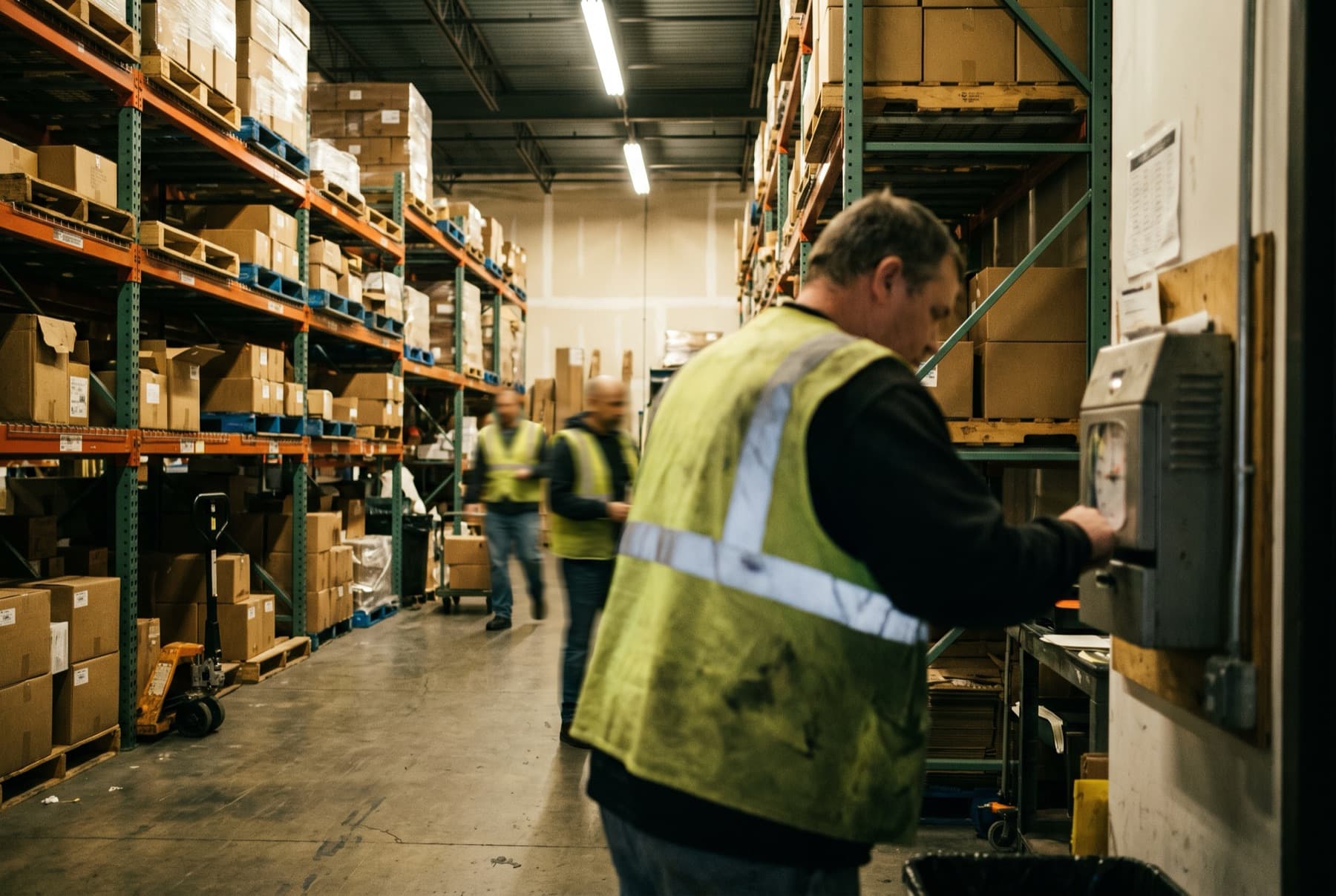
California workers can sue for unpaid overtime, missed meal and rest breaks, late final pay, bad wage statements, and unreimbursed expenses, and California law is stricter than federal law on almost every point. If you are hourly and worked more than 8 hours in a day without time and a half, lost breaks to workload, or work in a large warehouse under productivity quotas, you may have a claim. These cases are brought against individual employers as class actions, PAGA representative actions, or individual claims with the Labor Commissioner.
Any claim against a particular employer is an allegation until a court, agency, or settlement resolves it.
Key takeaways.
- California requires overtime after 8 hours in a workday, not just after 40 in a week, and double time after 12 hours in a day.
- A missed or late meal or rest break earns one extra hour of pay at the regular rate per workday.
- Late final wages can trigger a penalty of a full day's pay for each day late, up to 30 days.
- California's warehouse quota law covers employers with 100 or more workers at one warehouse or 1,000 statewide.
- Workers can often reach back up to 4 years under California's Unfair Competition Law.
You may qualify if.
- Nonexempt California workers who worked over 8 hours in a day or 40 in a week without overtime pay.
- Workers who were not given a 30-minute meal break before the end of the fifth hour, or a paid 10-minute rest break for every 4 hours or major fraction, and were not paid the premium hour.
- Former employees who did not receive all final wages on time, who may be owed up to 30 days of waiting time penalties.
- Salaried workers paid less than $70,304 a year in 2026, who generally cannot be treated as exempt in California.
- Warehouse workers at large distribution centers who were not given written quota descriptions or were pushed to skip breaks or bathroom trips to meet quotas.
- Workers who paid for work expenses such as phone, mileage, or tools without reimbursement.
What to gather.
- 1Pay stubs (California wage statements) for as far back as you have them.
- 2Your own notes of hours worked, breaks missed, and shifts over 8 hours.
- 3Any written quota notice, productivity reports, or messages about rates, time off task, or discipline.
- 4Your final paycheck and the date you received it, plus your termination or resignation date.
- 5Receipts or records of work expenses you paid out of pocket.
- 6Any arbitration agreement and the employee handbook.
What California wage and hour lawsuits are about
A California wage and hour claim usually bundles several violations, because one practice often causes many. Missing a meal break, for example, can mean an unpaid premium, an inaccurate wage statement, and a late final paycheck.
Most common claims
- Daily overtime: hours over 8 in a day, over 40 in a week, and the first 8 hours on a seventh consecutive workday.
- Meal and rest breaks: breaks not provided, cut short, or taken late.
- Off-the-clock work: security screenings, bag checks, pre-shift meetings, or tasks after clocking out.
- Regular rate errors: bonuses and shift pay left out of overtime and premium pay.
- Expense reimbursement: Labor Code 2802 requires employers to cover necessary work expenses.
- Final pay and wage statements: penalties when these are late or wrong.
For the federal side of these claims, see our unpaid overtime lawsuit page. For break and rounding issues in hospitals, see meal break and time rounding lawsuits.
Warehouse worker claims in California
California's warehouse quota law, AB 701, took effect January 1, 2022 in Labor Code sections 2100 and following. It covers employers who control 100 or more employees at a single warehouse distribution center or 1,000 or more at warehouses statewide, including some staffing agency workers.
What the quota law requires
- Each worker must get a written description of every quota: the number of tasks or items per time period and the discipline for missing it.
- No quota may prevent a worker from taking meal or rest breaks, using the bathroom (including reasonable travel time), or following safety rules.
- Workers can request quota and work speed data.
Enforcement against Amazon
On June 18, 2024, the Labor Commissioner cited Amazon.com Services LLC $5,901,700 for 59,017 violations of the quota law at its Moreno Valley and Redlands warehouses between October 20, 2023 and March 9, 2024, finding Amazon did not give workers written notice of quotas. The penalties were $100 per violation. A citation is an agency finding that can be appealed.
Other warehouse claims
Warehouse workers also bring standard claims: unpaid time in security or COVID screening lines, rest breaks cut short by long walks, and missed meal breaks during peak season. In February 2024, the Labor Commissioner announced a $1 million settlement for 107 warehouse and retail workers in the Inland Empire over unpaid hours, daily overtime, and missed breaks.
Who may qualify for a California wage claim
You may have a claim if you are, or were, a nonexempt worker in California and any of these applied:
- You worked more than 8 hours in a day or 40 in a week and were paid straight time.
- You missed meal breaks, or took them after the fifth hour, without getting an extra hour of pay.
- Your rest breaks were interrupted or skipped to meet quotas.
- You were paid a salary below the state exempt threshold, or labeled a manager while mostly doing hourly work.
- You were paid late after quitting or being fired.
The California exempt threshold
For 2026, most exempt employees in California must earn at least $70,304 a year, twice the state minimum wage for full-time work, and must also meet the duties test. That is roughly double the federal threshold, so many salaried Californians are owed overtime.
Minimum wage
The statewide minimum wage is $16.90 an hour as of January 1, 2026. Many cities set higher local minimums, and fast food and health care workers have their own higher rates.
Who probably does not qualify
True independent contractors, most app-based rideshare and delivery drivers covered by Proposition 22, and properly paid exempt employees generally do not. See misclassification lawsuits if you were paid on a 1099.
What a California wage claim could be worth
| Violation | What California law provides |
|---|---|
| Unpaid overtime | 1.5x after 8 hours, 2x after 12 |
| Missed meal or rest break | 1 hour of pay per workday, each type |
| Late final pay | Up to 30 days of wages |
| Bad wage statements | $50, then $100 per period, up to $4,000 |
| Unreimbursed expenses | Actual costs plus interest |
Example
A $20 an hour warehouse worker who missed one meal break a week for two years (about 100 workdays) is owed about $2,000 in meal premiums, plus any overtime. If that worker quit and was paid late, waiting time penalties can add up to 30 days of wages, about $4,800 at 8 hours a day, and wage statement penalties can add up to $4,000.
Class and PAGA recoveries
Class settlements split a fund by weeks worked. Under PAGA, civil penalties are shared, with 65% going to the state Labor and Workforce Development Agency and 35% to affected employees, so PAGA shares per worker are often small. See California class action settlements and how class action money is divided.
The California laws behind these claims
- Labor Code 510: daily and weekly overtime, and double time after 12 hours in a day.
- Labor Code 226.7 and 512: meal and rest periods and the one-hour premium.
- Labor Code 203: waiting time penalties for late final wages, capped at 30 days.
- Labor Code 226: accurate itemized wage statements.
- Labor Code 2802: reimbursement of work expenses; see the California expense reimbursement law.
- Labor Code 2100 to 2112: the warehouse quota law.
- Private Attorneys General Act (PAGA): lets workers sue for civil penalties on behalf of the state and other employees. Reforms signed in July 2024 changed penalty amounts and gave employers ways to cure violations.
- Unfair Competition Law: allows restitution of unpaid wages for up to 4 years.
Many California employers require arbitration. Individual claims usually must go to arbitration, but PAGA claims on behalf of others generally can still proceed in court. Workers are also protected from retaliation for raising pay complaints.
Deadlines for California wage claims
- Unpaid wages and overtime: generally 3 years under the Labor Code.
- Restitution under the Unfair Competition Law: up to 4 years.
- Wage statement and some other penalties: 1 year.
- PAGA: 1 year, and you must first give notice to the Labor and Workforce Development Agency before suing.
Because every paycheck starts a new clock, a 4 year lookback can be worth nearly twice as much as a 2 year federal claim. Waiting still costs money, since the oldest pay periods fall away over time. See the statute of limitations entry for more.
Class action, PAGA, or Labor Commissioner claim?
California workers have three main ways to pursue unpaid wages, and the right one depends on the size of the problem and whether others were affected.
| Route | Best for | Cost to worker |
|---|---|---|
| Labor Commissioner wage claim | One worker, clear amount | Free |
| Class action | Many workers, same policy | Usually contingency |
| PAGA action | Penalties for many workers | Usually contingency |
Labor Commissioner claims
A wage claim with the Labor Commissioner's Office involves a settlement conference and, if needed, a hearing. It works well for a single worker owed a specific amount, such as final pay. Either side can appeal a decision to superior court.
Class actions
A class action can recover unpaid wages and premiums for everyone affected by the same policy. Class members in a California wage settlement usually receive payment automatically based on workweeks, without filing a claim form, though you may need to update your address. See what class certification means.
PAGA
A PAGA case recovers civil penalties for the state and affected workers. It can proceed even when individual claims must be arbitrated, but the worker's share of penalties is small. Many cases combine class and PAGA claims.
Settlement checks from your employer
Employers sometimes offer individual checks in exchange for releases while a class action is pending. You do not have to accept, and a release may give up claims worth more than the check.
Immigration status
California law protects wage rights regardless of immigration status, and the Labor Commissioner does not ask about status when processing wage claims. Employers may not threaten to report workers to immigration authorities in retaliation for wage complaints. If your employer has made such threats, write down what was said and when, and tell the attorney or agency handling your claim.
Whatever route you choose, the same records matter: pay stubs, your own notes of hours and breaks, and any written policies. Workers who left the job can still bring claims within the deadlines, and former employees often have the added claim for late final pay.
If you receive a class notice about a wage settlement with a past employer, read it closely: it will list the class period, your estimated share, and the dates to dispute your workweeks, opt out, or object.
What to do now
- Keep your wage statements and request copies of your pay and time records; California employers must provide them on request.
- Write down missed breaks and shifts over 8 hours as they happen.
- Warehouse workers: ask in writing for your quota description and work speed data.
- Do not sign a release or accept a separate settlement check from your employer without advice.
- You can file a wage claim with the California Labor Commissioner for free.
A free case review takes about two minutes and can connect you with independent attorneys who handle California wage cases. If you drive for a living, see truck driver unpaid wages.
Case timeline
January 1, 2022
California's warehouse quota law, AB 701, takes effect.
February 2024
Labor Commissioner announces a $1 million settlement for 107 Inland Empire warehouse and retail workers.
June 18, 2024
Labor Commissioner cites Amazon $5,901,700 for quota law violations at two warehouses.
July 2024
PAGA reforms are signed into law.
January 1, 2026
California's minimum wage rises to $16.90 an hour, setting the exempt salary threshold at $70,304.
California unpaid wages and overtime: common questions.
Can I sue for unpaid overtime in California?
Yes. California requires overtime after 8 hours in a day and 40 in a week, and double time after 12 hours in a day. You can bring a lawsuit, join a class action, or file a free wage claim with the Labor Commissioner.
How far back can I claim unpaid wages in California?
Generally 3 years under the Labor Code, and up to 4 years for restitution under the Unfair Competition Law. Some penalties, including PAGA penalties, have a 1 year limit.
What is the penalty for a missed meal break in California?
The employer owes one additional hour of pay at the employee's regular rate for each workday a compliant meal break was not provided, and a separate hour for missed rest breaks.
Is there a lawsuit against Amazon warehouses in California?
Amazon has faced several California wage suits, and on June 18, 2024 the Labor Commissioner cited it $5,901,700 for failing to give written quota notices at its Moreno Valley and Redlands warehouses. That citation is an agency finding, not a class settlement.
What is the California warehouse quota law?
AB 701 requires large warehouse employers to give workers written descriptions of quotas and bars quotas that prevent meal and rest breaks, bathroom use, or safety compliance. It applies to employers with 100 or more workers at one warehouse or 1,000 statewide.
What are waiting time penalties in California?
If an employer does not pay all final wages on time, it owes the worker's daily wage for each day of delay, up to 30 days, under Labor Code section 203.
What is the minimum salary to be exempt in California in 2026?
$70,304 a year for most white collar exemptions, which is twice the state minimum wage of $16.90 for full-time work. The employee must also meet the duties test.
Sources.
Statutes, court rules, appellate opinions, and bar publications we relied on. See our editorial standards.
- 1.California DIR: Labor Commissioner cites Amazon nearly $6 million for violating warehouse quotas law (June 18, 2024)
- 2.California DIR: FAQ on warehouse quotas (AB 701)
- 3.California DIR: $1 million settlement for Inland Empire warehouse workers (2024)
- 4.California DIR: Minimum wage FAQ ($16.90 effective January 1, 2026)
- 5.California Labor Code section 510 (overtime)
- 6.California Labor Code section 203 (waiting time penalties)
- 7.California Labor Code section 226 (wage statements)
- 8.California Labor Code section 2699 (PAGA)
Related cases and settlements.
All lawsuits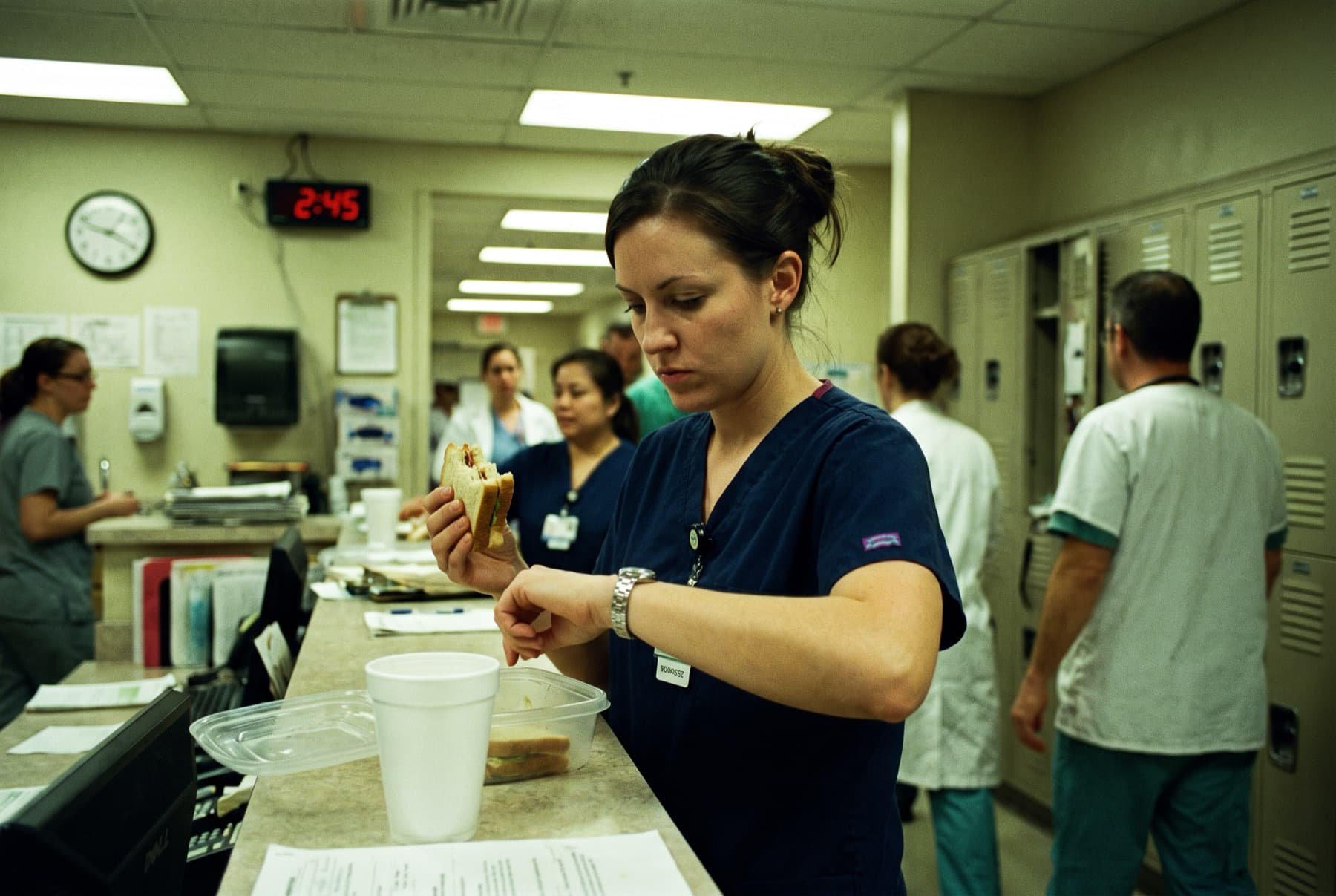
Lawsuit
Unpaid overtime (FLSA)
As of September 2026, unpaid overtime claims are filed continuously under the Fair Labor Standards Act, the federal exempt salary threshold is $684 per week after the 2024 rule was vacated, and the Labor Department recovered more than $259 million in back wages in fiscal year 2025.
Lawsuit
Hospital meal break and time rounding
As of September 2026, hospital meal break and time rounding suits are pending against several health systems, a Washington appeals court affirmed the nearly $230 million judgment against Providence, and California's Supreme Court has still not decided whether neutral rounding is legal in Camp v. Home Depot.
Lawsuit
Independent contractor misclassification
As of September 2026, misclassification cases continue under federal and state law, the Labor Department has proposed (but not finalized) a February 2026 rule to replace its 2024 contractor test, and California's ABC test still applies to most workers there.
Lawsuit
Truck driver unpaid wages
As of September 2026, truck driver wage and misclassification cases continue against carriers nationwide, and a $14.5 million CRST Expedited settlement for California piece-rate drivers has an opt-out deadline of October 5, 2026 and a final approval hearing on November 16, 2026.