Privacy and tracking
Lawsuit filedGoogle and Gmail Class Action Lawsuits: Verdicts, Settlements, and Open Cases
Google lost a $425.7 million privacy verdict in 2025 and a Gmail Gemini AI suit is being repleaded. See which Google class actions pay and who qualifies.

Google is facing several class actions at once, and which one matters to you depends on the product. As of September 2026, the biggest open case is Rodriguez v. Google, where a jury awarded $425.7 million to about 98 million users in September 2025, but no one has been paid because Google is fighting the verdict. The Gmail lawsuit over Gemini AI features was dismissed in July 2026 with a chance to refile, and two recent Google settlements have already closed for claims.
This page covers each case with its court, dates, and who is covered, plus what to do if you think you are affected.
Key takeaways.
- A federal jury in San Francisco awarded $425.7 million against Google on September 3, 2025 in Rodriguez v. Google, finding it kept collecting app activity data after users turned off Web & App Activity.
- The Gmail Gemini AI case, Thele v. Google, was dismissed for lack of standing on July 7, 2026, with permission to file an amended complaint.
- Android users outside California won a $135 million cellular data settlement approved in August 2026, but the administrator estimated individual payments at under $1.
- Claim deadlines have already passed for the Google Assistant ($68 million) and Google Play children's privacy ($8.25 million) settlements.
- Unless a jury or judge has ruled, claims against Google are allegations that Google denies.
You may qualify if.
- You had a Google account and turned off Web & App Activity or its supplemental setting during the class period (the certified Rodriguez class covers about 98 million users).
- You used Gmail, Google Chat, or Google Meet when Gemini smart features were turned on by default around October 2025 (Thele v. Google, not yet certified).
- You used an Android phone and live outside California (federal cellular data class) or in California (state cellular data class), for background data transfers since November 12, 2017.
- You used Google Assistant or bought a Google device between May 18, 2016 and March 19, 2026 (the $68 million settlement; the claim deadline passed August 27, 2026).
- You used Google Play apps while under 13 since April 1, 2015 (the $8.25 million settlement; the claim deadline passed September 14, 2026).
What to gather.
- 1The Gmail address for each Google account you used and roughly when you created it.
- 2Your Google Activity controls history (myactivity.google.com), including when you turned Web & App Activity off.
- 3Screenshots of your Gmail and Workspace smart features settings, especially if they switched on without your action.
- 4Any settlement notice emails from Google-related administrators, kept unedited and with their class member ID.
- 5Your Android phone model and carrier plan if you are tracking the cellular data cases.
The main Google and Gmail class actions
Web & App Activity tracking (Rodriguez v. Google)
Filed in July 2020 in the U.S. District Court for the Northern District of California, No. 3:20-cv-04688, this case claims Google kept collecting data about what people did inside third-party apps even after they turned off the Web & App Activity setting in their Google account. The data came through Google code built into other apps, such as Firebase and Google Mobile Ads. Google argued the data was not tied to personal identities and that its disclosures were adequate.
Gmail and Gemini AI (Thele v. Google)
Filed November 11, 2025 in the Northern District of California, No. 5:25-cv-09704, this case says Google switched Gemini smart features in Gmail, Chat, and Meet from opt-in to on by default around October 2025, letting the AI access private messages without consent. It cites the California Invasion of Privacy Act, California's computer data access law, and the federal Stored Communications Act.
Android cellular data (Taylor and Csupo)
Two cases claim Android phones sent data to Google in the background over users' paid cellular plans without consent. The California-only case, Csupo v. Google, No. 19-CV-352557, went to trial in Santa Clara County Superior Court. The nationwide case, Taylor v. Google, was filed in federal court in San Jose in 2020.
Incognito mode, Google Assistant, and Google Play
Brown v. Google challenged tracking in Chrome's Incognito mode, Google Assistant cases challenged recordings made after accidental activations, and A.B. v. Google, No. 5:23-cv-03101, alleged Google and AdMob collected data from children under 13 through Play Store apps in violation of COPPA standards.
Where each Google case stands in 2026
| Case | Result | Status |
|---|---|---|
| Rodriguez (Web & App Activity) | $425.7 million jury verdict | Google fighting verdict |
| Thele (Gmail Gemini) | Dismissed with leave to amend | Pending |
| Csupo (California cellular data) | $314.6 million jury verdict | Google said it would appeal |
| Taylor (national cellular data) | $135 million settlement | Final approval August 2026 |
| Google Assistant | $68 million settlement | Claims closed |
| Google Play children | $8.25 million settlement | Claims closed |
In Rodriguez, the jury found Google liable for invasion of privacy and intrusion upon seclusion on September 3, 2025, but rejected the computer fraud claim and declined to award punitive damages. The award works out to roughly $4 per class member, far below the plaintiffs' $31 billion damages model. Google said it would appeal.
In Thele, the court ruled on July 7, 2026 that allegations about what Gemini could do, without facts showing it actually read the plaintiffs' messages, did not show the concrete harm needed to sue in federal court. The plaintiffs were allowed to amend.
On July 1, 2025, a San Jose jury in Csupo found Google liable to California Android users for about $314.6 million, and Google said it disagreed and would appeal. The federal Taylor settlement, which excludes California users, received final approval from Magistrate Judge Virginia DeMarchi in August 2026. In the older Brown case, Google agreed in April 2024 to delete billions of browsing records and change Incognito disclosures, with no cash to class members. Texas separately announced a $1.375 billion privacy settlement with Google on May 9, 2025, paid to the state.
Who may qualify in the Google cases
Most Google class members do not need to sign up for anything until there is money to distribute. Here is who each case covers, based on court filings and settlement notices.
- Rodriguez: Google account holders who turned off Web & App Activity or its supplemental setting during the class period, split into Android and non-Android users. If the verdict survives, the court will set a process to pay class members.
- Thele: people whose Gmail, Chat, or Meet accounts had Gemini smart features turned on by default. No class has been certified, and the case must first survive the amended complaint stage.
- Taylor: Android users outside California who used cellular data since November 12, 2017, about 129 million people.
- Google Assistant: purchasers of Google devices and Assistant users with false activations from May 18, 2016 to March 19, 2026. The deadline to file was August 27, 2026.
- Google Play children: U.S. residents who used Play apps under age 13 since April 1, 2015. The deadline was September 14, 2026.
You likely do not qualify for Rodriguez if you never turned off Web & App Activity, and you do not qualify for any paid Google settlement simply by having a Gmail account. To check where a settlement stands, see our guide on how to check a settlement's status.
How much money Google class members could get
Google privacy cases tend to produce large totals and small individual checks, because the classes are enormous.
- Rodriguez: $425.7 million across about 98 million users is roughly $4 per person before attorney fees, if the verdict holds.
- Taylor: the administrator, Angeion Group, estimated payments of less than $1 per person across more than 129 million class members. The bigger win was new disclosures in Android setup and Google Play.
- Google Assistant: a points system, with purchasers of Google devices getting more than users who only had false activations. Final approval was set for October 1, 2026. See our Google Assistant settlement page.
- Google Play children: a pro rata share of $8.25 million for valid claims. See the Google Play children's privacy settlement page.
Brown v. Google paid class members nothing in cash; its April 2024 settlement required Google to delete billions of records and block third-party cookies in Incognito by default for five years. That is an example of injunctive relief, where a case changes behavior rather than paying people. Individual users kept the right to sue for damages on their own.
The privacy laws behind the Google claims
Most Google cases are built on California law, because Google is based there and its terms of service choose California law.
- California constitutional privacy and intrusion upon seclusion: these claims ask whether a reasonable person would find the data collection highly offensive. They won at trial in Rodriguez.
- California Invasion of Privacy Act: allows $5,000 per violation under Penal Code 637.2, which is why Gmail and tracking cases cite it.
- Stored Communications Act: a federal law protecting stored emails and messages, with statutory damages of at least $1,000 per person under 18 U.S.C. 2707.
- Conversion: the Android cellular data cases argued Google took something users paid for, their data allowance.
The obstacle in newer cases, especially involving AI, is standing. Federal courts require a concrete injury, and the Thele ruling shows that saying an AI tool could read your email is not enough without facts that it did.
Deadlines for Google privacy claims
Two recent Google settlements have closed. The Google Assistant claim deadline was August 27, 2026, and the Google Play children's privacy deadline was September 14, 2026. If you missed them, you generally cannot file late, but if you did not opt out you are still bound by the settlement's release. The open vs. closed settlements guide explains what that means.
For new individual claims, the statute of limitations is usually 1 year for California Invasion of Privacy Act claims, 2 years for Stored Communications Act claims from discovery of the violation, and 2 years for most California privacy torts. Pending class actions generally pause those clocks for class members while the class is in place.
For Rodriguez and Thele, there is nothing to file now. If Rodriguez money is ever distributed, the court-approved notice will explain how, and any payment will come only after appeals end.
How to see and limit what Google collects
The Google cases turn on settings: whether people turned tracking off and whether Google honored that. Here is how to check your own account and keep a record.
Web & App Activity
In your Google Account, open Data and privacy, then Web & App Activity. You can pause it, and you can choose whether to include activity from sites and apps that use Google services, which is the sub-setting at issue in Rodriguez. Google lets you set Web & App Activity to auto-delete after 3, 18, or 36 months. Take a dated screenshot before and after any change.
My Activity and Google Takeout
My Activity (myactivity.google.com) shows searches, app activity, and Assistant recordings Google has stored. Google Takeout lets you download a copy of your data. If you are ever asked to show that you were a class member, an export and screenshots from the relevant time are far more useful than memory.
Gmail smart features
In Gmail settings, look for smart features and personalization, both in Gmail and across other Google products. The Thele case claims these were switched on by default in late 2025. Note whether yours are on and when you changed them, since the amended complaint may define the class by those settings.
Android background data
The cellular data settlement did not stop Google's background transfers; it required better disclosure. If you have a limited data plan, you can restrict background data for individual apps in Android's settings and use Wi-Fi when possible.
What to do now about Google privacy concerns
- Check your settings. Visit your Google account's Data and privacy page to review Web & App Activity, and check Gmail's settings for smart features. Take screenshots with dates before you change anything.
- Download your data. Google Takeout lets you export your activity history, which can matter if you are ever asked to show you were in a class.
- Look for real notices. Legitimate Google settlement emails come from administrators named in court filings and never ask for a fee. Our guide to settlement scams explains the warning signs.
- Keep settlement IDs. If you filed in the Google Assistant or Google Play settlements, save your confirmation email so you can track payment.
You can compare these cases with the Amazon Alexa privacy lawsuits and Yahoo tracking lawsuit. If a Google product exposed sensitive information about you, such as health or financial details, and you want to know whether you have an individual claim, a free case review takes about two minutes.
Case timeline
July 2020
Rodriguez v. Google filed in the Northern District of California over Web & App Activity tracking.
April 1, 2024
Brown v. Google Incognito settlement filed: Google to delete billions of records, no cash to class members.
May 9, 2025
Texas announces a $1.375 billion privacy settlement in principle with Google.
July 1, 2025
Santa Clara County jury finds Google liable for about $314.6 million in the California Android cellular data case.
September 3, 2025
Federal jury awards $425.7 million to about 98 million users in Rodriguez v. Google.
November 11, 2025
Thele v. Google filed over Gemini smart features in Gmail, Chat, and Meet.
July 7, 2026
Court dismisses Thele for lack of Article III standing, with leave to amend.
August 21, 2026
Final approval of the $135 million nationwide Android cellular data settlement.
Google and Gmail: common questions.
Is there a class action lawsuit against Google right now?
Yes, several. The largest is Rodriguez v. Google, where a jury awarded $425.7 million in September 2025 over tracking after users turned off Web & App Activity. A Gmail case over Gemini AI features is also pending after being dismissed with leave to amend in July 2026.
Is there a Gmail class action lawsuit?
Yes. Thele v. Google, filed November 11, 2025, claims Google turned on Gemini smart features in Gmail, Chat, and Meet by default. A federal judge dismissed the first complaint on July 7, 2026 for lack of concrete harm but allowed the plaintiffs to amend, so there is no class or payout yet.
How much will I get from the Google privacy lawsuit?
If the Rodriguez verdict survives, $425.7 million across roughly 98 million users is about $4 per person before fees. The nationwide Android cellular data settlement is estimated to pay less than $1 per person. No one can say exactly until a court approves a distribution.
Can I still file a claim for the Google Assistant settlement?
No. The claim deadline for the $68 million Google Assistant settlement was August 27, 2026. Final approval was scheduled for October 1, 2026, and payments to people who filed will come after approval and any appeals.
Did Google pay people in the Incognito lawsuit?
No. The Brown v. Google settlement in April 2024 required Google to delete billions of private browsing records and change its disclosures, but it did not pay class members. Individuals kept the right to sue Google for damages on their own.
Do I need to do anything for the Google Web and App Activity lawsuit?
Not right now. Class members in Rodriguez v. Google do not need to file anything while Google challenges the verdict. If money becomes available, the court-approved administrator will send notice explaining how to get paid.
Is the Google Play children's privacy settlement still open?
No. The claim deadline for the $8.25 million Google Play settlement in A.B. v. Google was September 14, 2026, and the final approval hearing was set for September 24, 2026.
Sources.
Statutes, court rules, appellate opinions, and bar publications we relied on. See our editorial standards.
- 1.Thompson Coburn: Federal jury awards $425.7 million in Google privacy case (September 5, 2025)
- 2.Inside Class Actions: Gemini tracking allegations fall short of Article III standing (Thele v. Google)
- 3.Justia docket: Thele v. Google LLC, No. 5:25-cv-09704 (N.D. Cal.)
- 4.Insurance Journal: Google must pay $314 million over Android cellular data (July 2, 2025)
- 5.Courthouse News: Google settles class action over data transfers for $135 million (August 24, 2026)
- 6.The Guardian: Google to destroy browsing data in privacy lawsuit settlement (April 1, 2024)
- 7.Texas Attorney General: $1.375 billion settlement with Google (May 9, 2025)
- 8.LiveNOW from FOX: Google Assistant $68M settlement claim deadline (August 27, 2026)
- 9.ClaimDepot: Google Play $8.25M children's privacy settlement, A.B. v. Google, No. 5:23-cv-03101
- 10.18 U.S.C. 2707, Stored Communications Act civil action (Cornell LII)
Related cases and settlements.
All lawsuitsSettlement, $68 million
Google Assistant privacy
Settlement, $8.25 million
Google Play children's privacy (AdMob)
Lawsuit
Amazon Alexa privacy
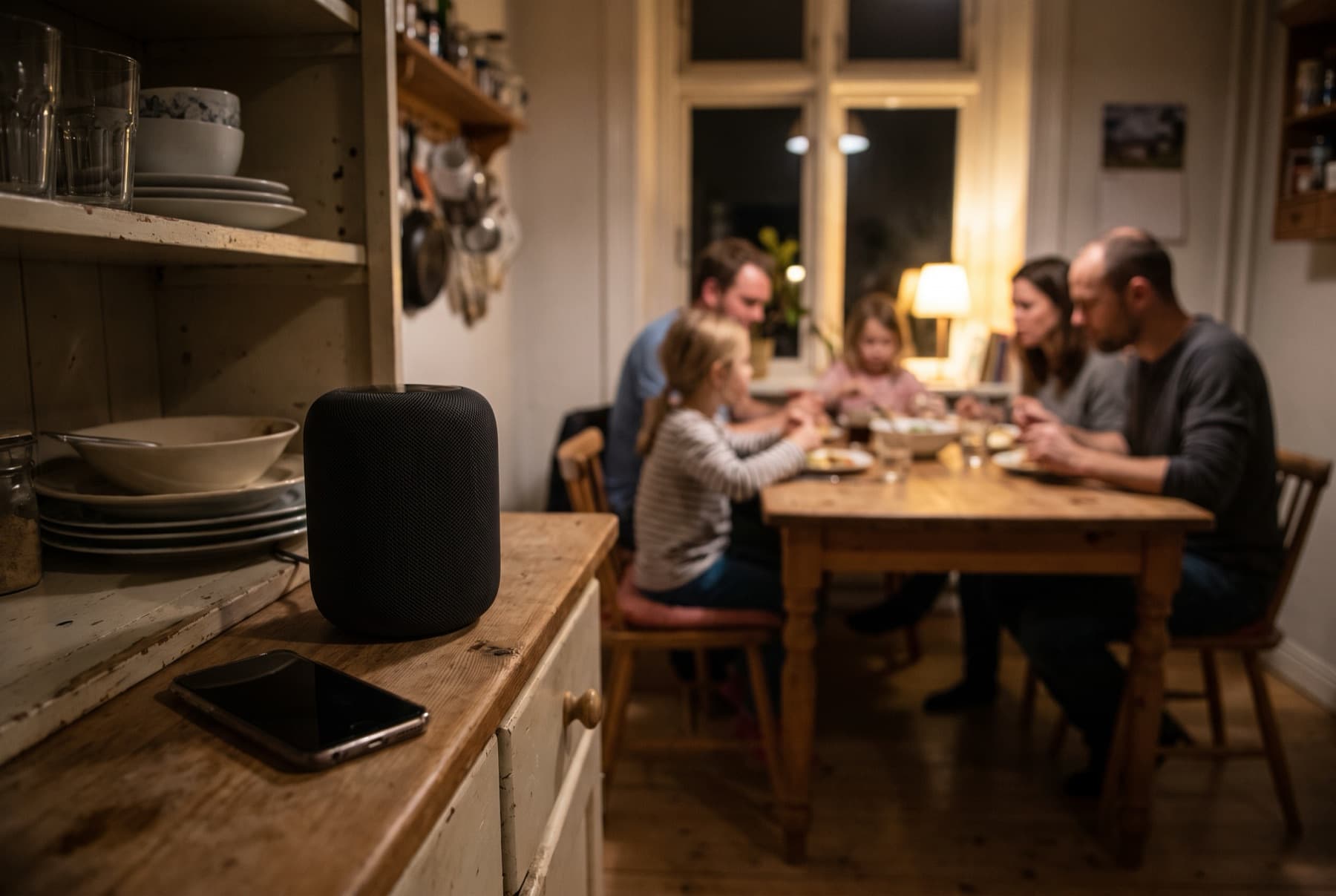
As of September 2026, Garner v. Amazon continues in Seattle after a March 31, 2026 ruling dismissed the certified consumer protection class, and an Illinois Voice ID class of about 1.2 million users was certified in November 2025. There is no settlement and nothing to file yet.
Lawsuit
Yahoo ConnectID tracking
As of September 2026, Baker v. Yahoo Inc., No. 1:25-cv-02797 (S.D.N.Y.), which absorbed Caplan v. Yahoo Inc., is at the pleading stage before Judge Denise L. Cote with Yahoo's motion to compel arbitration pending; there is no settlement or claim form.