Privacy and tracking
Lawsuit filedAmazon Alexa Privacy Lawsuit: Recordings, Voice ID, and Where the Cases Stand
Two Alexa privacy suits are active in 2026: a narrowed Seattle recording case and a certified Illinois Voice ID class. No settlement or claim form exists yet.
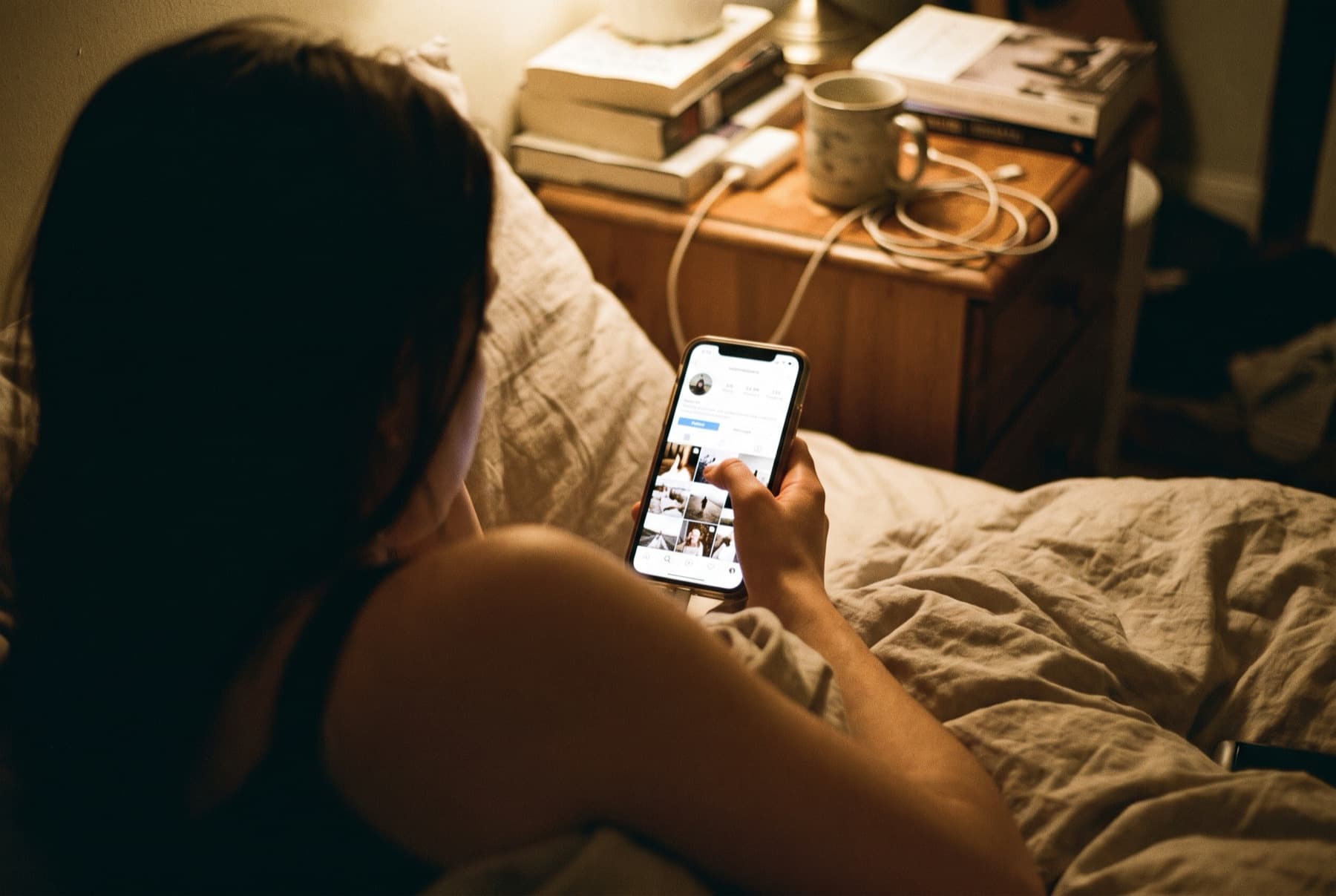
Yes, Amazon is still fighting Alexa privacy lawsuits, but as of September 2026 there is no Alexa settlement and no claim form. The main nationwide case, Garner v. Amazon in federal court in Seattle, lost its certified class in March 2026, and an Illinois biometric privacy class over Alexa Voice ID is moving forward for roughly 1.2 million Illinois users. If you are in Illinois and used Voice ID, you are likely already a class member and do not need to do anything yet.
This page explains what each case claims, who is covered, what the laws allow, and what you can do now. The claims are allegations that Amazon denies, and no court has ruled that Amazon broke the law.
Key takeaways.
- Garner v. Amazon, No. 2:21-cv-00750 (W.D. Wash.), has been pending since June 7, 2021, and a March 31, 2026 order dismissed its certified consumer protection class while letting some wiretap claims continue.
- A separate Illinois case over Alexa Voice ID won class certification for about 1.2 million Illinois users in November 2025.
- Amazon paid a $25 million civil penalty in 2023 over children's Alexa recordings, but that money went to the government, not to users.
- There is no Alexa settlement, no claim form, and no payout as of September 2026. Anyone asking you to pay to join one is not legitimate.
- Every claim in these cases is an allegation that Amazon denies, and no court has found Amazon liable.
You may qualify if.
- You live in Illinois and Amazon created a Voice ID voiceprint for you on or after June 27, 2014 (member of the certified class in Wilcosky v. Amazon).
- You own or live with an Alexa-enabled device such as an Echo, Echo Dot, or Echo Show and believe it recorded you without a wake word.
- You live in a household with an Alexa device but never set up an Alexa account yourself (non-registrant wiretap claims are being handled individually, not as a class).
- A parent whose child used Alexa or Amazon Kids and whose deletion requests were not honored may have a complaint, although the 2023 federal case produced a civil penalty, not refunds.
What to gather.
- 1Your Amazon account email and the Alexa devices registered to it (Alexa app, Settings, Device Settings).
- 2Your Alexa voice history (Alexa app, Settings, Alexa Privacy, Review Voice History), especially entries marked as not intended for Alexa.
- 3Whether and when you enrolled in Voice ID, and your Illinois address history for that period.
- 4Dates you bought or set up each Echo device (order history or receipts).
- 5Any deletion requests you made and Amazon's replies.
What the Alexa privacy lawsuits claim
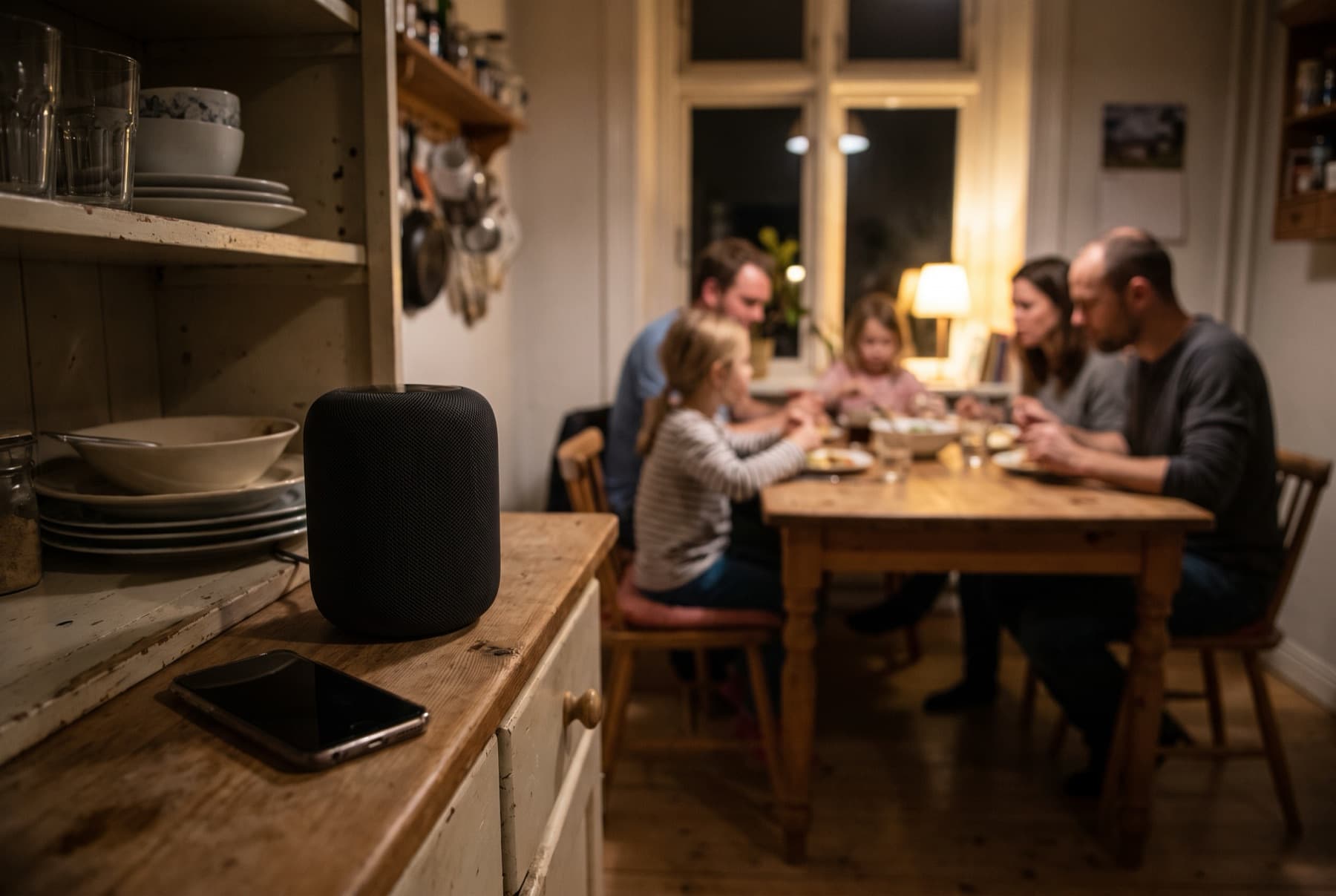
Alexa devices listen for a wake word, usually "Alexa," and then send what follows to Amazon's cloud. The lawsuits focus on what happens around that moment. Plaintiffs say Echo speakers and other Alexa devices wake up by mistake (so-called false wakes), record snippets of private conversations, keep those recordings and transcripts, and let human reviewers listen to some of them to train Amazon's speech systems.
The lead case, Garner v. Amazon.com, Inc., No. 2:21-cv-00750-RSL, was filed on June 7, 2021 in the U.S. District Court for the Western District of Washington and is assigned to Judge Robert S. Lasnik. It alleges violations of the federal Wiretap Act, several state wiretap laws, and the Washington Consumer Protection Act. Amazon's response has been that it disclosed accidental activations, that only a small share of recordings are reviewed, and that users could delete recordings.
Alexa Voice ID and Illinois biometric privacy
A second case, Wilcosky v. Amazon.com, Inc., No. 19-cv-5061 in the Northern District of Illinois, targets Voice ID, the Alexa feature that learns what your voice sounds like so it can recognize who is speaking. Plaintiffs say that voice model is a voiceprint, a biometric identifier, and that Amazon created it without the written notice and signed consent required by the Illinois Biometric Information Privacy Act. For background on that law, see our BIPA lawsuit page.
Children's recordings and the FTC case
In May 2023 the FTC and the Justice Department charged Amazon with violating the Children's Online Privacy Protection Act by keeping kids' Alexa voice recordings indefinitely and failing to fully delete them when parents asked. That was a government enforcement action, not a class action, and it ended with a court order and a penalty rather than payments to families.
Where the Alexa cases stand in 2026
On July 7, 2025, Judge Lasnik certified a nationwide class of registered Alexa users to pursue damages and injunctive relief under the Washington Consumer Protection Act, while refusing to certify classes of people who live with Alexa owners but never registered.
On March 31, 2026, Judge Lasnik dismissed the Washington Consumer Protection Act claims, which were the basis of the only certified class in Garner. The court found Amazon had told users during setup that false wakes can happen and had repeatedly disclosed that it keeps and uses Alexa data. The judge did let certain individual wiretap claims continue, including claims under Florida and Maryland law and federal wiretap claims tied to false wakes. As of September 2026, no trial date or settlement has been reported.
In Illinois, a federal judge denied Amazon's motion to dismiss the Voice ID case on November 1, 2023 and, on November 19, 2025, certified a class of roughly 1.2 million Illinois Alexa users for whom Amazon created a voiceprint on or after June 27, 2014. Amazon argued it does not share or sell Voice ID data, and the court said that argument goes to the merits, which are still to be decided.
Separately, Amazon ended the "Do Not Send Voice Recordings" option on certain Echo devices on March 28, 2025, so voice requests on those devices now go to the cloud. That change has drawn criticism, but we have not found a filed lawsuit based on it.
Who may qualify for an Alexa privacy claim
Who counts depends on which case you mean. Class membership is set by the court, not by signing up anywhere.
- Illinois Voice ID users: the certified class in Wilcosky covers Illinois users for whom Amazon created a Voice ID voiceprint on or after June 27, 2014. If that is you, you are likely a member automatically. You would get a court-approved notice before any settlement or trial outcome.
- Registered Alexa owners nationwide: the class certified in Garner was dismissed in March 2026, so there is currently no certified nationwide class. That could change on appeal or through an amended claim, but nothing is open to join today.
- People who live with an Alexa owner: the court declined to certify these non-registrant claims as a class, finding that consent and privacy expectations differ household to household. Some individual claims survive.
- Parents of children who used Alexa: the 2023 federal case produced a $25 million civil penalty paid to the government. There was no consumer claim process.
You probably do not qualify for anything right now if you live outside Illinois, never enrolled in Voice ID, and your only concern is that Alexa stores your normal requests. Amazon's disclosures about storing requests were a key reason the court dismissed the consumer protection class. To understand how courts decide who is in a class, see our guide on what class certification means.
What compensation could look like
No Alexa class member has been paid, and no one can promise a number. The laws involved and similar voice assistant cases give a sense of scale.
| Case | Amount | Individual payout |
|---|---|---|
| Apple Siri (Lopez v. Apple) | $95 million | Up to $20 per device, 5 devices max |
| Google Assistant privacy | $68 million | Points based, set by claims filed |
| FTC v. Amazon (Alexa, 2023) | $25 million penalty | None, paid to the government |
Apple's $95 million Siri settlement capped payments at $20 per Siri device for up to five devices, and a federal judge in Oakland approved it in 2025. Google agreed to $68 million to settle similar false-activation claims about Google Assistant, with final approval set for October 1, 2026. You can read about both on our Siri settlement page and Google Assistant settlement page.
The Illinois Voice ID case is different because BIPA sets statutory damages per violation. In practice, large BIPA classes usually settle for far less than the theoretical maximum, and a 2024 amendment limits recovery to one violation per person for repeated collection of the same biometric. Expect any payout, if one comes, to be modest per person.
The laws behind the Alexa claims
The federal Wiretap Act lets a person whose private conversation was unlawfully intercepted recover the greater of actual damages or statutory damages of $100 per day of violation or $10,000, under 18 U.S.C. 2520. The central fight is whether a device that wakes up by mistake intercepts a communication and whether users consented by accepting Amazon's terms.
State wiretap laws in places like Florida and Maryland require the consent of everyone in a conversation, which matters for guests and family members who never agreed to Amazon's terms. The Washington Consumer Protection Act, which allows up to triple damages, was the basis of the dismissed class claim.
BIPA, 740 ILCS 14, requires a company to give written notice and get a written release before collecting a biometric identifier such as a voiceprint. It sets liquidated damages of $1,000 per negligent violation and $5,000 per intentional or reckless violation. Our BIPA explainer covers how that works.
COPPA, the children's privacy law, is enforced by the FTC and state attorneys general. It does not give parents a private right to sue, which is why the 2023 Alexa case produced a penalty and deletion orders instead of refunds.
Deadlines that matter for Alexa claims
There is no claim deadline because there is no settlement. The deadlines that matter are the statutes of limitations for anyone who wants to bring an individual case.
- Federal Wiretap Act: 2 years from when you first had a reasonable opportunity to discover the violation (18 U.S.C. 2520(e)).
- Illinois BIPA: the Illinois Supreme Court held in Tims v. Black Horse Carriers (2023) that a 5-year period applies.
- State wiretap and consumer laws: commonly 2 to 4 years depending on the state.
While a class action is pending, the time limit for class members' individual claims is usually paused under the rule from American Pipe v. Utah. That pause can end when a class is decertified or dismissed, which is what happened to the Garner consumer protection class in March 2026. If you were counting on that class, talk to an attorney about your own timeline soon.
How to control what Alexa records and keeps
Whatever happens in court, you can limit what Alexa keeps today. These controls also help show, later on, what you did and did not agree to.
Recording history and auto-delete
In the Alexa app, open Settings, then Alexa Privacy, then Manage Your Alexa Data. Alexa's auto-delete setting lets you keep voice recordings for 3 months or 18 months, or choose not to save them at all. You can also delete recordings by voice or by date range in Review Voice History. Deleting recordings does not undo any review that already happened, so screenshot your history first if you think you have a claim.
Microphone and camera off
Every Echo speaker has a microphone off button, and a red light shows the microphone is disconnected. Echo Show devices also have a camera shutter. Use them in rooms where you have sensitive conversations, such as a home office used for medical or legal calls.
Voice ID and household members
Voice ID can be turned off and the voice profile deleted in the app. If other adults or children live with you, remember that they may never have agreed to Amazon's terms. That is the reason the Garner court treated people who live with Alexa owners differently: whether someone consented depends on the household. Guests in your home are in the same position.
Children's profiles
If your children use Alexa or Amazon Kids, review their profiles in the Amazon Parent Dashboard and delete recordings you do not want kept. The 2023 federal order requires Amazon to honor deletion requests and to delete inactive child accounts, so a request you make now should be effective.
What to do now if Alexa recorded you
- Download your Alexa data. Request your data from Amazon's privacy page and review your voice history for entries Alexa marks as not intended for it. Save screenshots before deleting anything.
- Check Voice ID. In the Alexa app, look under your profile for voice settings to see whether Voice ID is enabled and when you set it up.
- Change settings going forward. You can set recordings to delete automatically and mute the microphone button on Echo devices when you want privacy.
- Watch for a real notice. Illinois class members will receive a court-approved notice if the Voice ID case settles or goes to trial. Notices never ask for a fee.
- Get a second opinion on individual claims. If you believe a device recorded sensitive conversations, such as medical or legal calls, an individual claim may be worth more than any class payout.
You can also compare this with other Google privacy lawsuits and other Amazon lawsuits. A free case review takes about two minutes and can connect you with independent attorneys who handle privacy cases.
Case timeline
June 7, 2021
Garner v. Amazon.com filed in the Western District of Washington, No. 2:21-cv-00750.
May 31, 2023
FTC and Justice Department charge Amazon with violating COPPA over children's Alexa recordings; Amazon agrees to a $25 million civil penalty.
November 1, 2023
Federal court in Illinois denies Amazon's motion to dismiss the Alexa Voice ID BIPA case.
March 28, 2025
Amazon ends the Do Not Send Voice Recordings option on certain Echo devices.
July 7, 2025
Judge Lasnik certifies a nationwide class of registered Alexa users under the Washington Consumer Protection Act.
November 19, 2025
Illinois federal court certifies a class of about 1.2 million Alexa Voice ID users.
March 31, 2026
Judge Lasnik dismisses the Washington Consumer Protection Act claims and some wiretap claims; Florida, Maryland, and federal false-wake wiretap claims continue.
Amazon Alexa privacy: common questions.
Is there a class action lawsuit against Amazon Alexa?
Yes. Garner v. Amazon has been pending in federal court in Seattle since 2021, and a separate Illinois case over Alexa Voice ID was certified as a class action in November 2025. Neither case has settled, and the claims remain unproven allegations.
Is there an Amazon Alexa settlement I can file a claim for?
No. As of September 2026 there is no Alexa class action settlement and no claim form. The 2023 FTC case over children's recordings ended with a $25 million civil penalty paid to the government, not payments to users.
What happened in the Alexa lawsuit in 2026?
On March 31, 2026, Judge Robert Lasnik dismissed the Washington Consumer Protection Act claims that supported the certified nationwide class in Garner v. Amazon. Some individual wiretap claims under federal, Florida, and Maryland law were allowed to continue.
Does Alexa record you without saying the wake word?
Amazon acknowledges that Alexa devices can mistake other sounds for the wake word, which it calls false wakes, and it disclosed this during setup. The lawsuits argue Amazon understated how often this happens and how the recordings are used, which Amazon disputes.
Who is in the Alexa Voice ID class action?
The class certified in November 2025 covers Illinois users for whom Amazon created a Voice ID voiceprint on or after June 27, 2014, estimated at about 1.2 million people. Members do not need to sign up and would receive a court-approved notice if the case settles or goes to trial.
How much could I get from the Alexa lawsuit?
No one knows yet because nothing has settled. Similar voice assistant cases paid modest amounts, such as up to $20 per device in Apple's $95 million Siri settlement. Illinois BIPA allows $1,000 to $5,000 per violation, but class settlements usually pay far less per person.
How do I delete my Alexa voice recordings?
Open the Alexa app, go to Settings, then Alexa Privacy, and choose Review Voice History to delete recordings, or set them to delete automatically. Save a copy or screenshots first if you think you may have a legal claim.
Sources.
Statutes, court rules, appellate opinions, and bar publications we relied on. See our editorial standards.
- 1.CourtListener docket: Garner v. Amazon.com Inc, No. 2:21-cv-00750 (W.D. Wash.)
- 2.Courthouse News: Amazon wins partial dismissal in Alexa wiretapping class action (March 31, 2026)
- 3.Biometric Update: Alexa users cleared to pursue class action (July 11, 2025)
- 4.Courthouse News: Class certified in Voice ID suit (November 19, 2025)
- 5.FTC: FTC and DOJ charge Amazon with violating children's privacy law (May 31, 2023)
- 6.AP: Amazon ends Echo privacy setting for voice recordings (March 2025)
- 7.18 U.S.C. 2520, Wiretap Act civil remedies (Cornell LII)
- 8.Courthouse News: Judge approves $95 million Apple settlement over Siri
- 9.Duane Morris: Illinois federal court allows Alexa privacy class action to proceed (Wilcosky v. Amazon)
- 10.LiveNOW from FOX: Google Assistant $68M settlement claim deadline (August 27, 2026)
Related cases and settlements.
All lawsuitsSettlement, $95 million
Apple Siri privacy (Lopez v. Apple)
Settlement, $68 million
Google Assistant privacy
Lawsuit
Illinois BIPA biometric privacy
As of September 2026, BIPA class actions continue to be filed and settled in Illinois and federal courts; after the August 2, 2024 amendment, which the Seventh Circuit applied retroactively on April 1, 2026, each person can recover at most once per collection method.
Lawsuit
Google and Gmail
As of September 2026, Google faces a $425.7 million jury verdict in Rodriguez v. Google that it says it will appeal, the Gmail Gemini case was dismissed with leave to amend on July 7, 2026, and the Google Assistant and Google Play children's privacy settlements are awaiting or past final approval.