Privacy and tracking
Lawsuit filedGoogle Nest Lawsuit: Camera and Doorbell Face Scanning Claims and Where the Case Stands
A proposed class action filed June 29, 2026 says Google Nest cameras and doorbells scan faces without consent. No settlement or claim form exists yet.
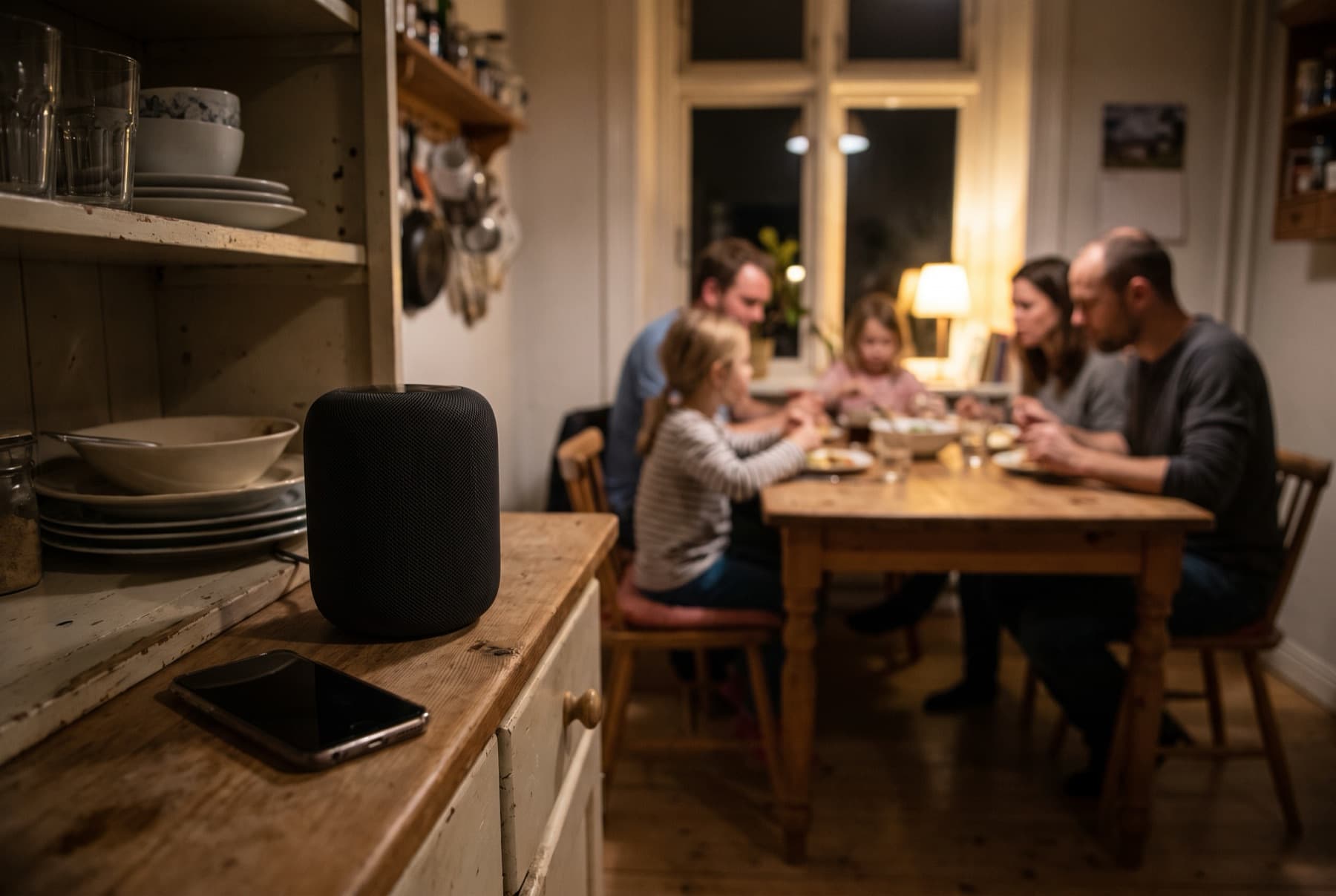
Yes, there is a Google Nest lawsuit over face scanning. A proposed class action filed on June 29, 2026 in federal court in California alleges that Google Nest cameras and doorbells scan the faces of people who pass by and store their faceprints without consent. The case is now listed as In re: Nest Privacy Litigation, No. 5:26-cv-06534, in the U.S. District Court for the Northern District of California.
As of November 2026 there is no settlement, no claim form, and nothing to file. The claims are allegations that have not been proven, and no court has decided whether Google did anything wrong. This page explains what the lawsuit says, who may be affected, and what you can do while the case moves forward. It is general information, not legal advice.
Key takeaways.
- Fennessy v. Google, LLC, No. 5:26-cv-06534, was filed on June 29, 2026 in the U.S. District Court for the Northern District of California. Law360's case record now lists it as In re: Nest Privacy Litigation before Judge Edward J. Davila.
- The plaintiffs allege that Nest cameras and doorbells scan the faces of passersby and store faceprints without their consent. These are allegations. No court has ruled on them.
- At least three lawsuits over the feature were filed in the same court between June 29 and July 9, 2026, according to court records and Bloomberg Law.
- There is no settlement, no claim form, and no money to claim as of November 2026.
- This is not an Illinois BIPA case as far as public records show. Google says the feature is not available for cameras based in Illinois.
You may qualify if.
- No class has been defined by a court yet, so nobody formally qualifies for anything today.
- The people described in news reports of the complaints are bystanders: visitors, neighbors, delivery workers, and children whose faces were captured by someone else's Nest camera or doorbell with familiar face detection turned on.
- One later complaint is reported to seek a nationwide class with a Virginia subclass. The exact class wording in the first complaint is not something we could confirm.
- Illinois is a special case: Google says familiar face detection is not available for cameras based in Illinois.
- Owning a Nest camera does not by itself make you part of the proposed class, and it does not make you a defendant in this lawsuit. The only defendant is Google.
What to gather.
- 1Dates and addresses where you regularly passed, visited, or delivered to a home with a Nest camera or Nest doorbell.
- 2Anything showing the camera owner used familiar face detection, such as a notification that named you or a screenshot of a familiar faces library.
- 3The state you live in and the state where the camera is located.
- 4If you own the camera: your Google Home or Nest Aware subscription records and the date you turned familiar face detection on or off.
- 5Any privacy or deletion request you sent to Google, and Google's reply.
What the Google Nest lawsuit says
The lawsuit is about a Nest feature called familiar face detection. Google's help page says the feature lets you teach a Nest camera to recognize the faces of people you know, and that the camera can then tell you when it sees a familiar person or someone it does not recognize. Google says the feature requires a Google Home Premium subscription.
The plaintiffs say the problem is everyone else in the picture. According to Law360's report on the first complaint, a group of Virginia residents alleges that Nest security cameras and doorbells scan people's faces and store their "faceprints," with the help of artificial intelligence, without the consent of the people walking past. Bloomberg Law's report on a later complaint says the plaintiffs allege that the cameras scan all bystanders regardless of age or consent, and that the cameras also collect non-biometric signals, such as body size, to improve recognition.
Put plainly, the theory is this: the camera owner agreed to Google's terms, but the neighbor, the delivery driver, and the child on the sidewalk did not.
Every statement above about what the cameras do to bystanders is an allegation from a complaint. Google has not been found liable for anything in this case. We did not find a public statement from Google responding to the lawsuit that we could cite, so this page does not describe Google's position beyond what its own help page says about the feature.
Who is suing whom, and where
Here are the basics we could confirm from court records and named news reports.
| Item | What the records show |
|---|---|
| Original case name | Fennessy et al. v. Google, LLC |
| Current case name | In re: Nest Privacy Litigation (Law360 case record) |
| Case number | 5:26-cv-06534 |
| Court | U.S. District Court for the Northern District of California, San Jose Division |
| Date filed | June 29, 2026 |
| Plaintiffs | Eight individuals, described by Law360 as Virginia residents |
| Defendant | Google LLC |
| Judge | Edward J. Davila (Law360 case record) |
| Type of case | Proposed class action. The court's records list it as a diversity tort case. |
The first case was not alone for long. On July 1, 2026, a magistrate judge in a second case, Trevino v. Google LLC, No. 5:26-cv-06694, issued an order asking whether that case is related to the Fennessy case. On July 9, 2026, Bloomberg Law reported another suit filed that day in the same court by Virginia residents and called it at least the third lawsuit over familiar face detection. A summary by the law firm Baird Holm identifies that case as Morgan v. Google LLC, No. 5:26-cv-06993, and says its plaintiffs seek to represent a nationwide class and a Virginia subclass and raise eight causes of action, including a claim under California's right of publicity.
The "In re" name that Law360 now shows for case number 5:26-cv-06534 is the kind of caption courts use when related cases are handled together. We could not read the order that set that up, so we are not giving a date for it.
Who may be affected
No court has defined a class yet. Until a judge certifies one, "who is included" is only what the plaintiffs have proposed, and the judge can narrow it, change it, or reject it.
Based on the reports of the complaints, the people the lawsuits describe are:
- Bystanders. People whose faces were captured by a Nest camera or Nest doorbell they do not own, such as visitors, neighbors, and delivery workers.
- Children. Bloomberg Law reports that the plaintiffs allege the cameras scan bystanders regardless of age.
- People in Virginia and nationwide. The named plaintiffs in the first and third cases are reported to be Virginia residents, and the Morgan complaint is reported to seek a nationwide class with a Virginia subclass.
Two groups should read this carefully:
- Nest camera owners. The lawsuits are against Google, not against homeowners. Owning a camera does not put you in the proposed class as described in the reports, and nothing in the sources we read says owners are being sued.
- Illinois residents. Google's help page says familiar face detection is not available for cameras based in Illinois. If the only Nest cameras you pass are in Illinois, the feature this lawsuit is about should not have been running on them, according to Google.
We could not confirm the exact class definition, the class period, or the full list of legal claims in the first complaint. Those details are in the complaint itself, which we were not able to read, so we have left them out.
Where the case stands today
As of November 2026, the case is pending and at an early stage. Here is what we can and cannot say.
- Confirmed: the first complaint was filed on June 29, 2026. A second case was on file by July 1, 2026, and a third was reported on July 9, 2026. Case number 5:26-cv-06534 is listed by Law360 as In re: Nest Privacy Litigation, a class action before Judge Edward J. Davila.
- Not found: any ruling on a motion to dismiss, any order certifying a class, any trial date, or any settlement. We looked for court orders in the federal government's published court opinions for this case number and found only the July 1, 2026 referral order.
- Not confirmed: whether Google has filed its formal response to the complaint. We could not read the full docket, so we are not saying either way.
Early stages of a federal class action usually run in this order: the plaintiffs file one combined complaint, the defendant asks the judge to dismiss some or all of it, the judge rules, and only then do the two sides exchange evidence and argue about class certification. That process commonly takes years, and many cases end before a class is ever certified. We will update this page when a court order changes the status.
Is there a Nest settlement or claim form?
No. There is no Google Nest face scanning settlement, no claim form, no claim deadline, and no money to claim as of November 2026.
That matters for three reasons:
- Nobody can sign you up for a payment. A website, text, or email offering to file your "Nest claim" today is not connected to any court-approved settlement, because none exists.
- You never pay to be in a class action. If a settlement is reached later, the court will approve an official settlement website and filing a claim there will be free. We do not file claims for anyone.
- No one can tell you an amount. There is no fund, no formula, and no estimate from the court or the parties. Any dollar figure you see attached to this case right now is a guess.
Our guide to class action settlement scams explains how to tell a real notice from a fake one.
Why Illinois and BIPA keep coming up
People searching for this case often expect it to be an Illinois biometric privacy lawsuit. Based on the public records we could read, it is not framed that way: the case is in California federal court, the named plaintiffs in the first and third complaints are reported to be Virginia residents, and the one legal claim we can name from a cited source is California's right of publicity, which the Baird Holm summary lists among eight causes of action in the Morgan complaint.
Illinois still matters as background. The Illinois Biometric Information Privacy Act, 740 ILCS 14, covers biometric identifiers, which the law defines to include a scan of face geometry. As the Illinois Supreme Court described it in Rosenbach v. Six Flags, a private company must give written notice and get a written release before collecting a biometric identifier, and a person whose rights are violated can sue. The Act sets liquidated damages of $1,000 for a negligent violation and $5,000 for an intentional or reckless violation, or actual damages if greater.
Google's help page says familiar face detection is not available for cameras based in Illinois. It also tells camera owners that, depending on where they live, they may need to get consent before the camera identifies visitors, and that they should check local privacy laws. Google does not say on that page why the feature is unavailable in Illinois, and we are not going to guess.
Outside Illinois, plaintiffs in privacy cases generally rely on a mix of state privacy statutes and older common law claims, and a judge decides early on which of those claims can go forward. For more on the Illinois law, see our BIPA lawsuit page and our BIPA explainer.
What to keep in the meantime
You do not need to do anything to protect a place in this case. If you think you were affected, a few records are worth keeping, because memories fade faster than lawsuits move.
- Write down where and when. Note the addresses of homes with Nest cameras or doorbells that you visit or pass regularly, and roughly when. A delivery route or a regular visiting schedule counts.
- Save anything that shows recognition. If a camera owner showed you a notification with your name on it, or a familiar faces library with your face in it, ask for a screenshot.
- Keep your own account records if you own a camera. Your Google Home Premium or Nest Aware subscription history and the date you turned familiar face detection on or off may matter later.
- Keep copies of any request you send to Google about your data, and any reply.
- Do not pay anyone. There is nothing to buy into.
If you own a Nest camera and would rather not use the feature, Google's help page says you can turn familiar face detection off in the camera's settings and that the camera can still send alerts when it detects a person. Google also says deleting your face library erases the profiles and the camera snapshots used for identification. If you think you may be involved in a legal claim, take screenshots before you delete anything.
Can I join the Google Nest lawsuit?
In most class actions you do not sign up at the start. The named plaintiffs bring the case for a proposed group, and the judge decides later whether the case can go forward as a class action under Rule 23 of the Federal Rules of Civil Procedure. Our guide on what class certification means explains that step.
Here is what would happen next if the case continues:
- If a class is certified, the court directs notice to class members who can be identified, explaining the case and how to opt out.
- If a settlement is proposed, the judge must approve it. Class members get notice, a chance to object, and, where a claim is required, a claim form on an official settlement website.
- If the case is dismissed, there is no class and no payment.
One wrinkle here is that the proposed class is described as bystanders, people Google may have no contact details for. If the case ever reaches a notice stage, that is a reason to check back rather than wait for an email.
In the meantime, you have options. You can wait and watch. You can read our guide on how to join a class action lawsuit. You can compare this case with other Google lawsuits and with the Amazon Alexa privacy cases. Or you can request a free case review, which sends your answers to an independent participating law firm. We are a publisher, not a law firm, and we cannot tell you whether you have a claim.
Case timeline
June 29, 2026
Fennessy et al. v. Google, LLC, No. 5:26-cv-06534, filed in the U.S. District Court for the Northern District of California.
July 1, 2026
A magistrate judge in Trevino v. Google LLC, No. 5:26-cv-06694, refers that case for a decision on whether it is related to the Fennessy case.
July 9, 2026
Bloomberg Law reports another class suit filed that day by Virginia residents in the same court, at least the third over familiar face detection.
Google Nest face scanning: common questions.
Is there a class action lawsuit against Google Nest?
Yes. Fennessy v. Google, LLC, No. 5:26-cv-06534, was filed on June 29, 2026 in the U.S. District Court for the Northern District of California and is now listed as In re: Nest Privacy Litigation. It alleges that Nest cameras and doorbells scan the faces of passersby without consent. The claims are unproven allegations.
Is there a Google Nest settlement I can file a claim for?
No. As of November 2026 there is no settlement, no claim form, and no deadline in the Nest face scanning case. If a settlement is ever reached, the court will approve an official website, and filing there will be free.
Can I join the Nest lawsuit?
There is nothing to sign up for right now. In a class action, the named plaintiffs sue for a proposed group, and people in that group are included automatically if a judge certifies a class. Class members would then get a court-approved notice. You can also speak with a licensed attorney about your own situation.
Is the Google Nest lawsuit a BIPA case?
Not based on the public records we could read. The case is in California federal court, and the plaintiffs in the first and third complaints are reported to be Virginia residents. Google says familiar face detection is not available for cameras based in Illinois, the state with the Biometric Information Privacy Act.
What is Nest familiar face detection?
It is a feature for Google Nest cameras and doorbells that, according to Google's help page, lets the owner teach the camera to recognize people they know and get alerts about familiar or unrecognized faces. Google says it requires a Google Home Premium subscription.
I own a Nest doorbell. Am I being sued?
No. The only defendant in the cases described on this page is Google LLC. Nothing in the sources we read says camera owners are being sued. Google's help page does tell owners to check local privacy laws and get consent from visitors where the law requires it.
How much could people get from the Google Nest lawsuit?
No one knows. There is no settlement, no fund, and no estimate from the court or the parties. Any amount would depend on whether the case survives, whether a class is certified, and the terms of any settlement or judgment.
Sources.
Statutes, court rules, appellate opinions, and bar publications we relied on. See our editorial standards.
- 1.Law360 case record: In re: Nest Privacy Litigation, No. 5:26-cv-06534 (N.D. Cal.), filed June 29, 2026
- 2.Law360: Google Faces Privacy Suit Over Nest Cam's Face Detection (June 29, 2026)
- 3.GovInfo (U.S. Government Publishing Office): Fennessy et al v. Google, LLC, No. 5:26-cv-06534, case record and July 1, 2026 order
- 4.U.S. District Court, N.D. Cal.: Sua sponte judicial referral in Trevino v. Google LLC, No. 5:26-cv-06694 (July 1, 2026)
- 5.Bloomberg Law: Google Nest Camera Violates Biometric Privacy, Class Suit Says (July 9, 2026)
- 6.Baird Holm LLP: Doorbell Cameras in Court (July 28, 2026), citing Morgan v. Google LLC, No. 5:26-cv-06993
- 7.Google Home and Nest Help: Learn about familiar face detection
- 8.Rosenbach v. Six Flags Entertainment Corp., 2019 IL 123186 (Illinois Supreme Court), describing 740 ILCS 14
- 9.Federal Rules of Civil Procedure, Rule 23: Class Actions (Cornell LII)
Related cases and settlements.
All lawsuitsLawsuit
Illinois BIPA biometric privacy
As of September 2026, BIPA class actions continue to be filed and settled in Illinois and federal courts; after the August 2, 2024 amendment, which the Seventh Circuit applied retroactively on April 1, 2026, each person can recover at most once per collection method.
Lawsuit
Google and Gmail
As of September 2026, Google faces a $425.7 million jury verdict in Rodriguez v. Google that it says it will appeal, the Gmail Gemini case was dismissed with leave to amend on July 7, 2026, and the Google Assistant and Google Play children's privacy settlements are awaiting or past final approval.
Lawsuit
Amazon Alexa privacy
As of September 2026, Garner v. Amazon continues in Seattle after a March 31, 2026 ruling dismissed the certified consumer protection class, and an Illinois Voice ID class of about 1.2 million users was certified in November 2025. There is no settlement and nothing to file yet.
Filing a claim
How to join a class action lawsuit