Cars and auto
SettledHyundai Lawsuit: Kia and Hyundai Theft Settlement, Engine Claims, and Tucson Recalls
As of September 2026, the $145M Kia Hyundai theft settlement survived appeal and a $4.5M state fund takes claims to March 31, 2027. See Tucson recalls too.
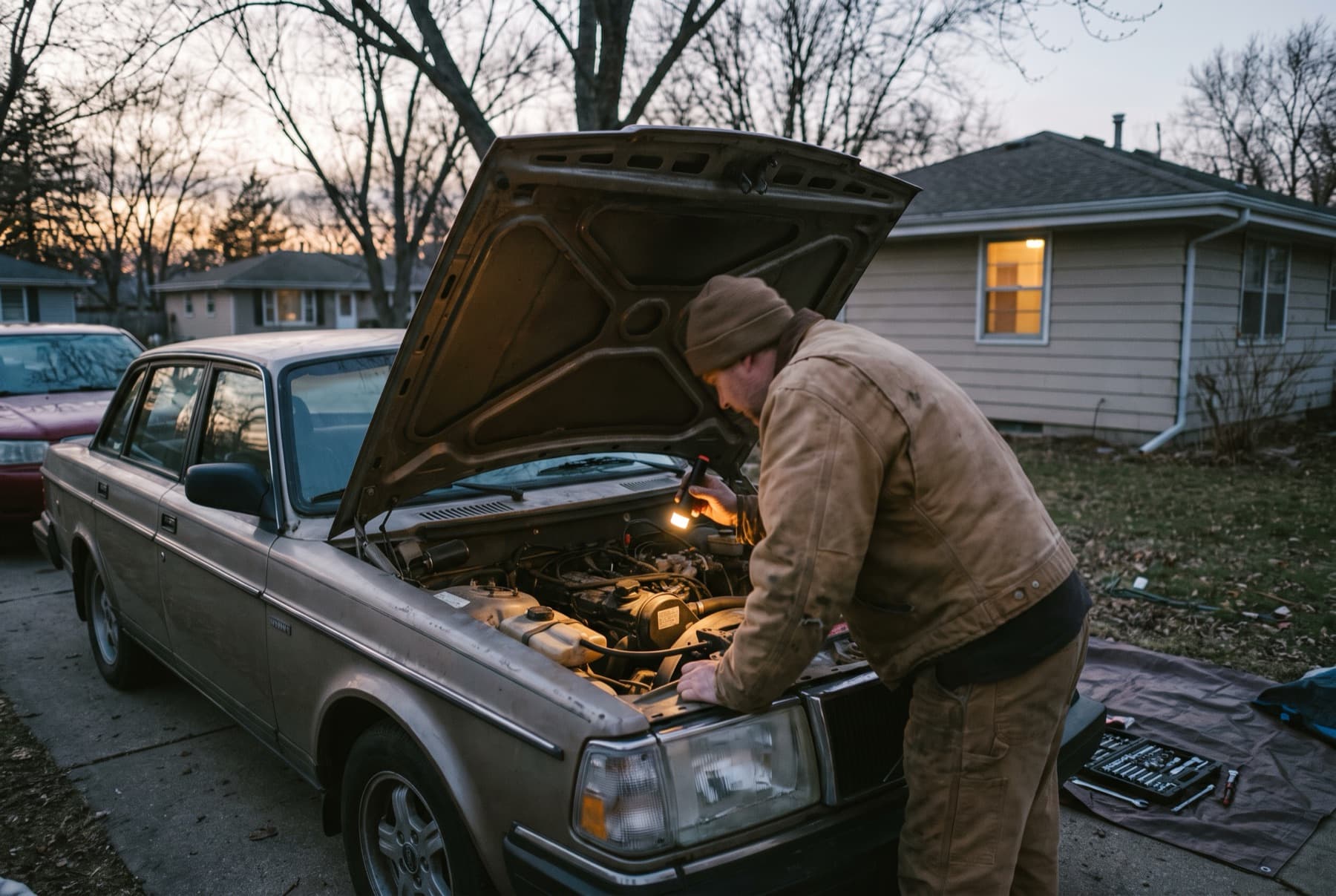
The main Kia and Hyundai theft class action has settled: the court approved a settlement with a $145 million fund on October 1, 2024, the claim deadline passed on April 28, 2025, and the Ninth Circuit rejected the objectors' appeals in early 2026. If your eligible Hyundai or Kia was stolen or damaged in a theft attempt on or after April 29, 2025, you may still file with a separate state attorney general fund until March 31, 2027, while money remains. Hyundai Tucson owners should also check for open recalls, which are repaired free.
This page covers the theft litigation, who can still claim, the Hyundai engine settlement that includes many Tucsons, and the recent Tucson recalls people search for. Hyundai and Kia did not admit liability in any of these settlements.
Key takeaways.
- Hyundai and Kia sold millions of 2011 to 2022 vehicles without engine immobilizers, which made them easy to steal once a social media theft method spread.
- The MDL No. 3052 consumer settlement, with a $145 million common fund, got final approval on October 1, 2024; the Ninth Circuit affirmed on January 8, 2026 and dismissed the last appeal on February 25, 2026.
- A separate multistate attorney general settlement pays up to $4,500 for a stolen car and takes claims until March 31, 2027, while funds last.
- Hyundai denies wrongdoing in both settlements; the Tucson recalls are safety repairs done free at dealers, not lawsuit payouts.
- Recent Tucson recalls include 26V316 (unexpected emergency braking, about 423,000 vehicles) and 25V893 (tow hitch wiring fire risk).
You may qualify if.
- You own or lease a 2011 to 2022 Hyundai or Kia model that was built without an engine immobilizer and uses a physical key.
- Your car was stolen or broken into on or after April 29, 2025, after it got the anti-theft software upgrade (or while an upgrade appointment was scheduled), for the multistate fund.
- You filed a claim in the MDL consumer settlement by April 28, 2025 and are waiting on payment.
- You own a Hyundai Tucson under an open safety recall, which is fixed free at dealers regardless of any lawsuit.
- You own a 2010 to 2021 Tucson or another model listed in the Hyundai engine settlement and had an engine failure or engine fire.
What to gather.
- 1Your VIN, found on the dashboard placard or driver door jamb.
- 2A police report for any theft or attempted theft, with the date.
- 3Repair invoices, insurance claim records, and deductible payments.
- 4Proof of when the anti-theft software upgrade or zinc sleeve was installed.
- 5Receipts for steering wheel locks or other anti-theft devices.
- 6Any recall notice letter and dealer repair order for your Tucson.
What the Hyundai and Kia theft lawsuits are about
Most cars sold in the United States for years have included an engine immobilizer, a chip system that stops the engine from starting without the correct key. Hyundai and Kia vehicles made between 2011 and 2022 that used a physical key often lacked immobilizers, and their ignitions could be bypassed in minutes, according to the New York attorney general. After videos showing the method spread on social media in 2022, thefts of these models surged.
Owners sued, alleging the companies sold defective vehicles and failed to disclose the risk. Insurers sued to recover theft payouts, and cities sued over policing costs. The federal cases were consolidated as In re: Kia Hyundai Vehicle Theft Marketing, Sales Practices, and Products Liability Litigation, MDL No. 3052, after the Judicial Panel on Multidistrict Litigation sent actions from 14 federal courts to the Central District of California on December 13, 2022, before Judge James V. Selna.
The affected models include the Hyundai Accent, Elantra, Elantra GT, Kona, Palisade, Santa Fe, Sonata, Tucson, Veloster, and Venue, and the Kia Forte, K5, Optima, Rio, Sedona, Seltos, Sorento, Soul, and Sportage, each in specific model years. Use your VIN on the official settlement websites to confirm.
Where the Kia Hyundai theft settlement stands
The consumer class settlement received final approval on October 1, 2024. Eighty-nine class members objected, and three appealed. The Ninth Circuit affirmed the settlement on January 8, 2026 and dismissed the third appeal on February 25, 2026, clearing the main obstacle to payments from the $145 million common fund.
The appeals court held that it was fair to give more money to people whose cars were actually stolen than to those who only received the software upgrade, noting that nothing in Rule 23 bars tying payments to actual harm. Class counsel said in April 2026 that, unless an objector sought Supreme Court review, the case would return to the district court on May 28, 2026 and the administrator would move toward payments. Check the official settlement website for the current payment timeline. More detail is on our Kia Hyundai theft settlement page.
Separately, on December 16, 2025, New York's attorney general announced that 35 other attorneys general had joined a multistate settlement: up to $4.5 million for consumers whose cars were recently stolen or damaged, another $4.5 million in penalties to the states, and continued anti-theft measures. Hyundai and Kia also offer a free zinc-reinforced ignition cylinder protector at dealers.
Who can still get money for a Hyundai or Kia theft
The multistate fund covers thefts from April 29, 2025 through March 31, 2027, but pays claims only until its $4.5 million consumer fund runs out.
Multistate immobilizer settlement (open)
You may qualify if your eligible car was stolen or damaged in a theft attempt on or after April 29, 2025, and before the earlier of March 31, 2027 or the date your car got the free zinc sleeve. At the time of the theft, the car must have had the software upgrade installed or an appointment scheduled for it. Funds are paid on a rolling basis until exhausted, so waiting can cost you.
MDL consumer settlement (closed to new claims)
The claim deadline was April 28, 2025. If you filed, you are waiting on payment. If you did not, you cannot file now, and as a class member who did not opt out you released the claims covered by that settlement. See how settlements bind class members.
Who likely does not qualify
Owners of models and years not on the eligible list, and people whose theft happened before April 29, 2025 but who missed the April 28, 2025 MDL deadline. If your insurer already paid part of your loss, read the claim form closely, because these funds are meant for your own out-of-pocket losses, such as a deductible.
When you file with the multistate fund, expect to prove three things: that your car is an eligible model, that the theft or attempt happened in the covered window, and that the software upgrade was installed or scheduled at the time. A police report, repair estimate or invoice, and the dealer record of the upgrade usually cover all three. Because the fund is capped and paid on a rolling basis, filing soon after the incident matters more here than in most settlements, where everyone's share is calculated at the end.
How much the Hyundai and Kia settlements pay
| Multistate fund benefit | Maximum |
|---|---|
| Theft, total loss | Up to $4,500 |
| Theft, partial loss | Up to $2,250 |
| Attempted theft expenses | Up to $375 |
| Zinc sleeve install | Free at dealers |
The multistate settlement pays up to $4,500 for a stolen total loss, up to $2,250 for partial loss, and up to $375 for attempted theft expenses, from a consumer fund capped at $4.5 million. These are maximums, and funds are limited. In the MDL settlement, the bigger payments went to the theft subclass; according to the Ninth Circuit, most other class members get the software upgrade plus reimbursement for lost pay, childcare, or key fobs needed for the upgrade, and owners of cars that cannot be upgraded get up to $300 toward an anti-theft system. For how capped funds work, see how class action money is divided.
Hyundai engine settlement and the Tucson
Many "Hyundai lawsuit" searches are about engines, not thefts. In In re: Hyundai and Kia Engine Litigation II, No. 8:18-cv-02223-JLS-JDE (C.D. Cal.), owners alleged a defect that can cause engine seizure, stalling, failure, and fire, and that some were wrongly denied warranty repairs. The court granted final approval and entered judgment on April 26, 2024. Hyundai was not found liable.
The class vehicles include the 2010 to 2013 Tucson with the Theta II 2.4-liter MPI engine and the 2014 to 2021 Tucson with the Nu 2.0-liter GDI engine, along with certain Sonata Hybrid, Santa Fe, Elantra, Elantra GT, and Veloster models. Benefits included reimbursement for repair-related towing and transportation, inconvenience from repair delays, and losses from qualifying engine fires. The settlement website says the deadline for most claims has passed; check it for any benefits that remain available.
For defects not covered by a settlement, the Magnuson-Moss Warranty Act and state lemon laws may help.
Hyundai Tucson recalls to check now
A recall is a free safety repair, not a lawsuit payout. These Tucson recalls come from NHTSA records:
| Recall | Models | Problem |
|---|---|---|
| 26V316 | 2025 to 2026 Tucson, Hybrid, PHEV; Santa Cruz | Unexpected emergency braking |
| 26V400 | 2025 to 2026 Tucson, Hybrid, PHEV | Instrument panel may go blank |
| 25V893 | 2022 to 2024 Tucson with tow harness | Short circuit; park outside |
| 25V549 | 2025 to 2026 Tucson, Santa Fe | Connecting rod bolts; engine replaced |
| 20V543 | 2016 to 2021 Tucson | ABS module fire risk; park outside |
| 22V056 | 2014 to 2015 Tucson and Santa Fe models | ABS module fire risk; park outside |
Recall 26V316, filed May 19, 2026, covers about 423,062 vehicles whose front camera software may trigger forward collision avoidance braking early and unexpectedly; dealers update the software free. Recall 20V543 covered about 652,024 Tucsons whose anti-lock brake control unit could corrode and short, and owners were told to park outside until repaired. Enter your VIN at NHTSA or Hyundai to see open recalls. If a recall repair fails or you had losses before the fix, see recall vs class action.
Two of these recalls, 20V543 and 22V056, told owners to park outside and away from structures until the fix was done, because the anti-lock brake module could short and start a fire even with the engine off. Recall 25V893 carries the same advice for 2022 to 2024 Tucsons with the optional tow hitch wiring harness. If you own one of these and never had the repair done, treat the park-outside advice as current until a dealer confirms the recall is complete. Buying a used Tucson? Ask the seller or dealer for the recall completion record, or check the VIN yourself before you buy.
The law behind the Hyundai and Kia claims
The theft class action was built on consumer protection and warranty theories. Owners alleged that the missing immobilizer was a defect, that Hyundai and Kia knew or should have known about it, and that they did not tell buyers. Those are claims under state consumer fraud statutes and implied warranty law, which promise that a vehicle is fit for ordinary use. Because the case settled, no court decided whether the cars were legally defective.
Approval of a class settlement is governed by Federal Rule of Civil Procedure 23(e)(2), which requires a judge to find the deal "fair, reasonable, and adequate." The Ninth Circuit ruled on January 8, 2026 that a settlement can give theft victims more than owners whose cars were never stolen, because tying payments to actual harm is equitable. That reasoning is why most of the money follows documented theft losses.
State attorneys general acted under their own consumer protection laws, which let them seek penalties and restitution without certifying a class. The engine case rested largely on warranty law: owners alleged they were wrongly denied warranty repairs, and the settlement reimbursed costs such as towing, repair delays, and losses from qualifying engine fires. For more on how these laws work together, see our guides to types of class actions and multidistrict litigation.
Deadlines for Hyundai and Kia claims
- Multistate immobilizer fund: thefts from April 29, 2025 through March 31, 2027, paid until funds run out.
- MDL theft settlement: claims closed April 28, 2025.
- Engine II settlement: most claim deadlines have passed; check the official site.
- Recalls: no deadline; recall repairs are free.
- New defect claims: state warranty and consumer laws each have a statute of limitations, so act promptly after a failure.
What to do now if you own a Hyundai or Kia
- Check your VIN for the anti-theft software upgrade and any open recalls, and book the free zinc sleeve if eligible.
- If your car was stolen after April 29, 2025, file a police report and submit a claim on the official multistate settlement website.
- If you filed in the MDL settlement, keep your contact and payment details current with the administrator.
- If your engine failed or caught fire, keep repair orders and ask the dealer in writing whether any warranty or settlement coverage applies.
- Do not pay third parties to file settlement claims for you.
If your Hyundai or Kia has a defect, a recall repair that did not work, or losses no settlement covers, independent attorneys who handle auto cases may want to hear about it. A free case review takes about two minutes.
Case timeline
December 13, 2022
JPML consolidates Kia and Hyundai theft cases from 14 courts in the Central District of California (MDL No. 3052).
April 26, 2024
Court grants final approval of the Hyundai Engine Litigation II settlement.
October 1, 2024
Court grants final approval of the MDL No. 3052 consumer theft settlement.
April 28, 2025
Claim deadline in the MDL consumer theft settlement.
December 16, 2025
Multistate attorneys general announce up to $9 million Hyundai and Kia settlement.
January 8, 2026
Ninth Circuit affirms approval of the theft settlement over two objectors' appeals.
February 25, 2026
Ninth Circuit dismisses the third objector appeal.
May 19, 2026
Hyundai files Tucson and Santa Cruz forward collision avoidance recall 26V316.
Hyundai and Kia theft, engine, and Tucson recalls: common questions.
Is there a class action lawsuit against Hyundai?
Several. The biggest is the Kia and Hyundai vehicle theft class action (MDL No. 3052), which settled with a $145 million fund and final approval on October 1, 2024. Hyundai also settled engine failure claims in the Hyundai and Kia Engine Litigation II, approved April 26, 2024.
Can I still file a claim in the Kia Hyundai theft settlement?
Not in the main MDL settlement, whose deadline was April 28, 2025. If your eligible car was stolen or damaged on or after April 29, 2025 after getting the software upgrade, you can file with the separate multistate immobilizer settlement until March 31, 2027, while funds last.
When will the Kia Hyundai theft settlement pay out?
Payments were held up by objector appeals. The Ninth Circuit affirmed on January 8, 2026 and dismissed the last appeal on February 25, 2026, and class counsel said the case would return to the district court for payments to proceed. Check the official settlement website for the current timeline.
How much is the Hyundai Kia theft settlement per person?
Up to $4,500 for a total loss theft, up to $2,250 for partial damage, and up to $375 for an attempted theft, based on documented losses. In the MDL settlement, owners who only got the software upgrade receive mainly the upgrade and limited reimbursements.
Is there a recall on the Hyundai Tucson?
Yes, several. Recent ones include 26V316 for unexpected emergency braking on 2025 to 2026 Tucsons, 26V400 for instrument panel failure, and 25V893 for a tow hitch wiring fire risk on 2022 to 2024 Tucsons. Check your VIN with NHTSA or Hyundai.
Which Hyundai and Kia models are easy to steal?
Key-start 2011 to 2022 models built without engine immobilizers, including the Elantra, Sonata, Tucson, Santa Fe, Kona, Forte, Optima, Rio, Soul, Sorento, and Sportage in certain years. Check your VIN on the settlement website.
Sources.
Statutes, court rules, appellate opinions, and bar publications we relied on. See our editorial standards.
- 1.Metropolitan News-Enterprise, Ninth Circuit upholds Hyundai Kia settlement (January 9, 2026)
- 2.FeganScott, Kia Hyundai case update (April 29, 2026)
- 3.Quinn Emanuel, Ninth Circuit win in Kia Boyz class action
- 4.Hyundai theft settlement official website
- 5.New York Attorney General, $9 million Hyundai and Kia settlement (December 16, 2025)
- 6.Hyundai/Kia Multistate Immobilizer Settlement website
- 7.ClassAction.org, $4.5M Hyundai Kia multistate settlement (January 9, 2026)
- 8.Hyundai Engine II settlement website
- 9.NHTSA recall 26V316 (Tucson forward collision avoidance)
- 10.NHTSA recalls for Hyundai Tucson (2022 model year)
- 11.NHTSA recall 20V543 (Tucson ABS module)
Related cases and settlements.
All lawsuitsSettlement, Up to $145 million cash (total value over $200 million)
Kia and Hyundai anti-theft (no immobilizer)
Lawsuit
Subaru battery drain and electrical defect
As of September 2026, Taylor v. Subaru of America (D.N.J. No. 2:26-cv-4935, filed May 1, 2026) and Garrett v. Subaru of America (D.N.J.) are pending proposed class actions over battery drain; the earlier settlement for 2015 to 2020 models was approved January 24, 2023 and its claim deadline has passed.
Lawsuit
GM Silverado and Sierra engine recalls and lawsuits
As of September 2026, class actions over GM's L87 6.2L V8 are pending in the Eastern District of Michigan, where GM moved to dismiss in June 2026; NHTSA has escalated its review of recall 25V274 to cover about 997,743 vehicles, and the separate Harrison lifter case remains pending.
Lawsuit
Total loss car payouts (State Farm, Progressive, GEICO)
As of September 2026, total loss valuation class actions are split: Progressive settled in New York ($48 million) and Georgia ($43 million) and State Farm settled in Arkansas ($15.6 million), while federal appeals courts in Pennsylvania and Tennessee reversed class certification and a New Jersey judge refused to certify a GEICO class on September 21, 2026.