Cars and auto
Lawsuit filedSubaru Battery Drain Class Action: 2019 to 2025 Models, 3G Telematics, and the Earlier Settlement
As of September 2026, Subaru battery drain class actions over 2019 to 2025 models and 3G telematics are pending in New Jersey. See who qualifies and what to do.
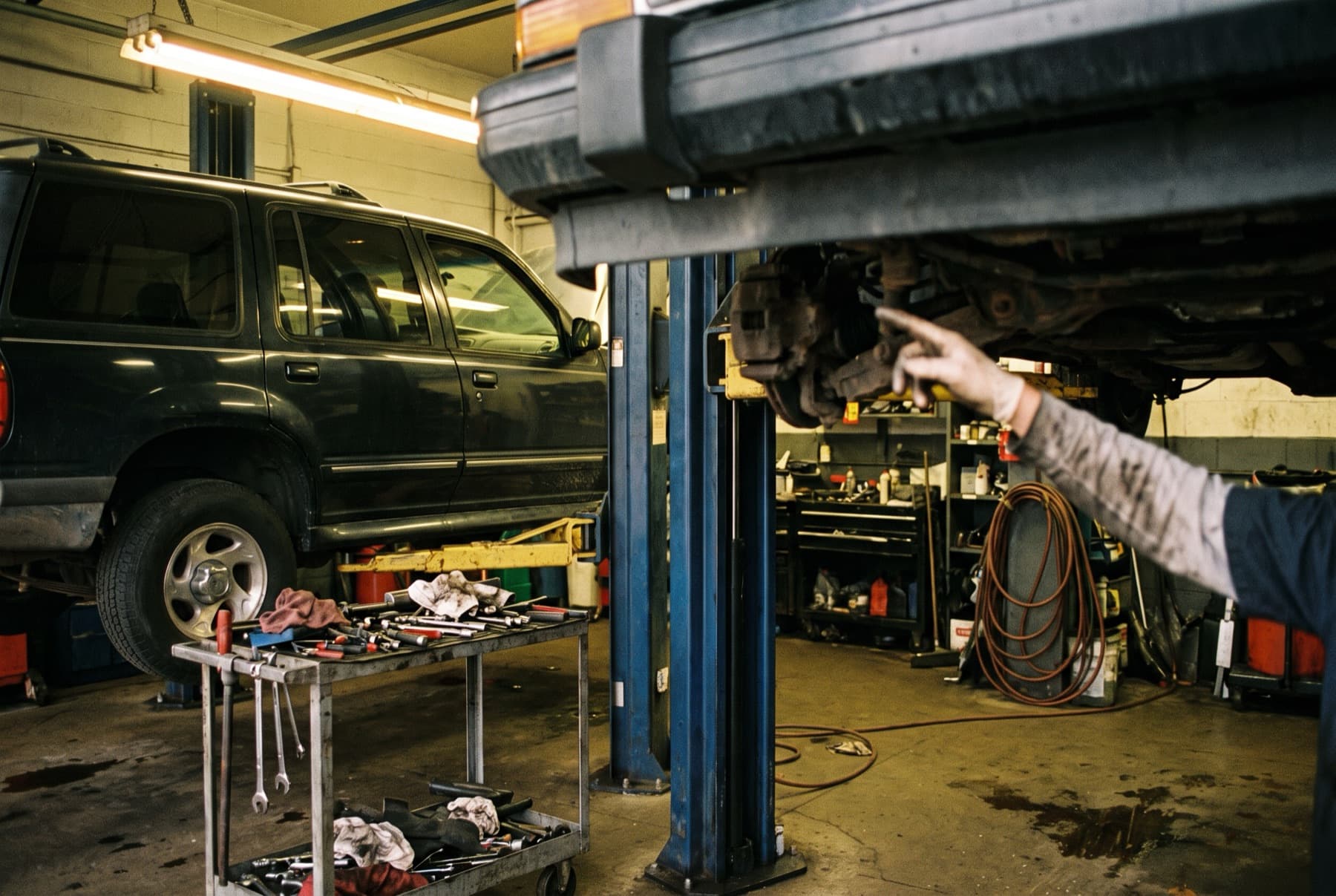
As of September 2026, two proposed Subaru battery drain class actions are pending in federal court in New Jersey, and you may qualify if your 2016 to 2025 Subaru keeps draining its battery. One targets 2019 to 2025 Crosstrek, Impreza, Forester, Outback, Legacy, WRX, and Ascent models; the other targets 2016 to 2019 models with 3G telematics. Neither has a settlement or a claim form yet.
If you own a 2015 to 2020 Outback, Forester, Legacy, or WRX, or a 2019 to 2020 Ascent, an earlier settlement already applies: its cash claim deadline passed in 2023, but its extended battery warranty still helps qualifying owners. Below is which case fits your car, what each one alleges, and what to save now.
Key takeaways.
- Taylor v. Subaru of America, filed May 1, 2026 in New Jersey federal court, alleges a 'sleep state' electrical defect in 2019 to 2025 models that causes parasitic battery drain.
- Garrett v. Subaru of America alleges 3G telematics modules in 2016 to 2019 models keep trying to reach a shut-down network and drain the battery.
- The earlier In re Subaru Battery Drain settlement (2015 to 2020 models) was approved January 24, 2023; cash claims closed May 8, 2023, but extended warranty coverage continues.
- That settlement covers subsequent battery replacements at 100% up to 5 years or 60,000 miles, 80% up to 7 years or 84,000 miles, and 60% up to 8 years or 100,000 miles.
- The new cases are allegations only; Subaru has denied that its vehicles are defective.
You may qualify if.
- You own or owned a 2021 to 2022 Outback, 2021 to 2024 Forester, 2022 to 2025 Forester Wilderness, 2021 to 2023 Legacy or WRX, 2021 to 2022 Ascent, 2019 to 2023 Crosstrek or Impreza, or 2019 to 2024 Crosstrek Hybrid (the Taylor case).
- You own or owned a 2016 to 2019 Forester, Legacy, Outback, Impreza, Crosstrek, or WRX whose 3G telematics module keeps draining the battery (the Garrett case).
- Your battery went dead repeatedly, you needed jump starts or tows, or you paid for replacement batteries or jump packs.
- A dealer told you the battery was fine or only needed a recharge, or replaced it without fixing the drain.
- Owners of 2015 to 2020 Outback, Forester, Legacy, WRX, and 2019 to 2020 Ascent models are covered by the earlier settlement's extended battery warranty, not these new cases.
What to gather.
- 1Repair orders and receipts for batteries, testing, diagnosis, and towing.
- 2Roadside assistance records and dates you needed a jump start.
- 3Receipts for jump packs, battery tenders, or chargers you bought.
- 4Your VIN, purchase or lease paperwork, and current mileage.
- 5Notes of what the dealer said, including any 'battery is normal' findings.
What the Subaru battery drain lawsuits are about
Modern cars rely on a network of electronic control units. When the car is off, those modules are supposed to go to sleep and draw almost no power. The Subaru lawsuits allege that in certain models, one or more modules stay awake, causing a continuous "parasitic drain" that kills the battery.
Taylor v. Subaru of America (2019 to 2025 models)
Taylor, et al. v. Subaru of America, Inc. et al., No. 2:26-cv-4935, was filed May 1, 2026 in the District of New Jersey. The 116-page complaint alleges Subaru has known about the parasitic drain defect since at least 2014, when it issued a dealer bulletin on testing for "dark current draw." It says dealers often told owners the battery was normal and only needed a recharge, or replaced the battery without fixing the cause, so replacements failed too. The plaintiffs include a New York owner who paid $326.96 for a battery on her 2021 Forester and a Texas owner who paid $434.88 for a larger battery and bracket on his 2024 Outback. The claims cite the Magnuson-Moss Warranty Act and consumer laws in New York, New Jersey, California, and Texas.
Garrett v. Subaru of America (3G telematics)
Eight owners sued in New Jersey federal court in 2026 over the STARLINK telematics system in 2016 to 2019 models. They allege the data communication module keeps trying to reach the 3G network that carriers shut down in early 2022, waking every few hours and draining the battery, and that 2019 models with newer modules get stuck in a similar loop. Pulling the module's fuse stops the drain but disables the Bluetooth microphone. The complaint says only about 110,000 of roughly 820,000 Subarus with 3G telematics had STARLINK subscriptions that qualified for a free network upgrade.
What owners in the Taylor case say happened
The named plaintiffs' stories show the pattern the lawsuit describes. They are allegations from the complaint, as reported by CarComplaints.com:
- 2021 Forester, New York. Starting problems at about 36,705 miles in December 2023, two jump starts, and a $326.96 replacement battery. That battery failed again in February 2026 at 72,678 miles, and the dealer replaced it free. The owner says rough starts continue.
- 2022 Forester, New Jersey. The battery died at an airport in December 2023. The dealer jump-started it and said it was fine. It died again at about 55,000 miles, and the owner paid $428.01 for a new battery.
- 2021 Forester, California. Stalling and shutting off in April 2025, then a $340.18 battery. The owner traded the car in before suing.
- 2024 Outback, Texas. The car shut down in traffic at about 51,000 miles in October 2025 and was towed. The dealer installed a larger battery and bracket for $434.88.
The complaint's core claim is that replacing the battery does not help, because a new battery will fail too as long as a module keeps drawing power with the car off. It also points to an October 2025 Subaru bulletin, 15-308-23R, that gives dealers a step-by-step procedure for diagnosing parasitic draw. If your experience looks like these, save the same kinds of records they did: dates, mileage, what the dealer said, and what you paid.
Notice what the stories have in common: repeat failures, dealers finding "no problem," and costs that the owner paid out of pocket. Those three facts are what an attorney will look for first when deciding whether your car fits the proposed class, and they are also what a lemon law or warranty claim would need.
Where the Subaru cases stand
| Case | Vehicles | Status |
|---|---|---|
| Taylor, D.N.J. 2:26-cv-4935 | 2019 to 2025 models | Filed May 1, 2026; pending |
| Garrett, D.N.J. | 2016 to 2019, 3G modules | Filed 2026; pending |
| In re Subaru Battery Drain, D.N.J. 1:20-cv-03095 | 2015 to 2020 models | Settled; approved Jan. 24, 2023 |
Both new cases are at the pleading stage. The next milestones are Subaru's response, likely a motion to dismiss, and later a motion for class certification. As of September 2026, no court has found that any Subaru model has a battery drain defect, and no class has been certified in either new case.
The earlier consolidated case began with Udeen v. Subaru of America in 2018 and settled without any finding of fault. Notices went out starting September 21, 2022, the court approved the settlement on January 24, 2023, and the administrator reports that all class member payments have been issued.
The earlier case is a useful guide to what might happen next. It began in 2018, took about four years to reach a settlement, and ended with an extended warranty plus reimbursement for past batteries, towing, and stranding costs rather than a large cash payment to every owner. The new cases involve newer models and, in the Garrett case, a different cause, so their outcome could differ. Still, the most valuable thing an owner can do now is the same thing that mattered in the first case: keep proof of each battery failure and each dollar spent, because reimbursement programs are built on documentation.
Who may qualify, model by model
The Taylor case covers model years from 2019 to 2025 depending on the model, while the earlier settlement covered 2015 to 2020 models and the Garrett case covers 2016 to 2019 models.
Find your model and year:
- Outback: 2015 to 2020 (earlier settlement), 2021 to 2022 (Taylor), 2016 to 2019 with 3G telematics (Garrett).
- Forester: 2015 to 2020 (earlier settlement), 2021 to 2024 plus 2022 to 2025 Wilderness (Taylor), 2016 to 2019 (Garrett).
- Legacy and WRX: 2015 to 2020 (earlier settlement), 2021 to 2023 (Taylor), 2016 to 2019 (Garrett).
- Ascent: 2019 to 2020 (earlier settlement), 2021 to 2022 (Taylor).
- Crosstrek and Impreza: 2019 to 2023, and 2019 to 2024 Crosstrek Hybrid (Taylor); 2016 to 2019 (Garrett).
Some model years appear in more than one case, which is normal when different components are blamed. You may qualify for a future class if your car is on the list and the battery drained without an obvious cause like a dome light left on. You are less likely to qualify if the battery simply reached the end of its normal life once, or if aftermarket electronics were wired into the car. If a class is certified, the court will define it precisely. For background, see how to join a class action.
What compensation could look like
The new cases seek reimbursement for batteries, jump packs, towing, and alternate transportation, plus damages for overpaying for a defective car. The 3G case also asks Subaru to replace lost telematics features or refund lost value. No amount has been agreed.
The earlier settlement shows what a Subaru battery deal can look like. For subsequent battery replacements, the extended warranty covers 100% of battery costs up to 5 years or 60,000 miles from the in-service date, 80% up to 7 years or 84,000 miles, and 60% up to 8 years or 100,000 miles. First replacements were covered at 100% up to 5 years or 60,000 miles. Cash reimbursements covered pre-notice battery replacements, towing, and some stranding expenses such as hotels and meals.
Individual amounts in the Taylor complaint ran from about $327 to $435 per battery, which shows the scale of each owner's out-of-pocket loss. Warranty extensions are often the biggest real benefit in these settlements. See why payouts are often smaller than expected.
The law behind Subaru battery drain claims
The Taylor complaint cites consumer laws in 4 states plus the federal Magnuson-Moss Warranty Act.
These are warranty and consumer protection cases:
- Express warranty. Subaru's new vehicle warranty covers defects in materials and workmanship. Owners say dealers refused coverage by calling the batteries normal.
- Magnuson-Moss Warranty Act. This federal law lets consumers sue over broken written and implied warranties. Our Magnuson-Moss guide explains it.
- State consumer laws. Taylor cites the New Jersey Consumer Fraud Act, New York General Business Law, California's Consumers Legal Remedies Act and Unfair Competition Law, the Song-Beverly Consumer Warranty Act, and the Texas Deceptive Trade Practices Act.
- Lemon laws. A car with a defect that repeated repairs do not fix may qualify under your state's lemon law, separate from any class case.
A technical service bulletin is not a recall, but plaintiffs use bulletins to show a manufacturer knew about a problem. The Taylor complaint points to a 2014 bulletin and an October 2025 bulletin on diagnosing parasitic draw.
Warranty timing is especially important for battery claims. A new car battery is often treated as a wear item once the basic warranty ends, so a dealer may replace it at your cost unless you can show the failure is caused by a defect rather than normal aging. A written parasitic draw test result showing excess current with the car off is the kind of evidence that shifts the question from "old battery" to "electrical defect."
Deadlines for Subaru owners
- Earlier settlement cash claims: closed May 8, 2023. Opt-outs and objections closed November 5, 2022.
- Earlier settlement warranty: no claim form needed; coverage depends on your car's age and mileage from its in-service date.
- New cases: no claim deadline yet because there is no settlement.
- Your own claims: warranty and consumer statutes each have a statute of limitations, and lemon law deadlines are often tied to the first months or miles of ownership, so do not wait.
If your 2015 to 2020 Subaru's battery fails, ask the dealer to test it under the settlement's extended warranty before paying for a new battery.
What to do if your Subaru battery keeps dying
- Get it documented. Ask the dealer for a written parasitic draw test, not just a battery charge.
- Keep every receipt for batteries, testing, towing, jump packs, and rides.
- Check your model year against the lists above and the earlier settlement website for warranty coverage.
- For 2016 to 2019 models with 3G telematics, ask the dealer whether the data communication module is causing the draw. The Garrett complaint says pulling its fuse stops the drain but also disables the Bluetooth microphone, so weigh that tradeoff and document it.
- Report the problem to NHTSA if it caused a stall or stranding; complaints help investigators spot patterns.
- Do not sign a release in exchange for a goodwill repair until you understand what you are giving up.
Other auto defect pages include Jeep 4xe battery fires and GM water leaks. If your Subaru has a drain problem the dealer will not fix, independent attorneys who handle auto defect cases may want to hear about it. A free case review takes about two minutes.
Case timeline
2018
Udeen v. Subaru of America filed, later consolidated as In re Subaru Battery Drain Products Liability Litigation (D.N.J.).
September 21, 2022
Settlement notices begin going to owners of 2015 to 2020 class vehicles.
January 24, 2023
Court approves the Subaru battery drain settlement.
May 8, 2023
Cash reimbursement claim deadline passes.
May 1, 2026
Taylor v. Subaru of America filed over 2019 to 2025 models.
May 2026
Garrett v. Subaru of America filed over 3G telematics battery drain in 2016 to 2019 models.
Subaru battery drain and electrical defect: common questions.
Is there a class action lawsuit for Subaru battery drain?
Yes. Taylor v. Subaru of America, filed May 1, 2026 in New Jersey federal court, covers certain 2019 to 2025 models, and Garrett v. Subaru of America covers 2016 to 2019 models with 3G telematics. Both are pending proposed class actions with no settlement yet.
Can I still file a claim in the Subaru battery settlement?
Cash claims in the earlier settlement for 2015 to 2020 Outback, Forester, Legacy, WRX and 2019 to 2020 Ascent closed on May 8, 2023. The extended battery warranty still applies based on your car's age and mileage, and no claim form is needed for it.
Which Subaru models have battery drain problems?
The pending Taylor case names 2021 to 2022 Outback, 2021 to 2024 Forester, 2022 to 2025 Forester Wilderness, 2021 to 2023 Legacy and WRX, 2021 to 2022 Ascent, 2019 to 2023 Crosstrek and Impreza, and 2019 to 2024 Crosstrek Hybrid. These are allegations, not findings.
Does the Subaru battery settlement extended warranty still apply?
For qualifying 2015 to 2020 class vehicles, yes, within its limits. Subsequent replacements are covered at 100% up to 5 years or 60,000 miles, 80% up to 7 years or 84,000 miles, and 60% up to 8 years or 100,000 miles, based on a dealer battery test.
Why does my Subaru battery keep dying?
The lawsuits allege electronic modules fail to go to sleep when the car is off, causing parasitic drain, and in 2016 to 2019 models, that the 3G telematics module keeps trying to reach a shut-down network. A dealer parasitic draw test can help identify the cause.
Is there a Subaru STARLINK 3G lawsuit?
Yes. Garrett v. Subaru of America, filed in New Jersey federal court in 2026, alleges 2016 to 2019 Subarus lost telematics features when 3G shut down and that the modules now drain batteries. It is pending.
Sources.
Statutes, court rules, appellate opinions, and bar publications we relied on. See our editorial standards.
- 1.ClassAction.org, Taylor v. Subaru of America complaint (May 14, 2026)
- 2.CarComplaints.com, Subaru battery problems class action (May 7, 2026)
- 3.CarComplaints.com, Subaru 3G battery drain lawsuit (May 16, 2026)
- 4.Subaru Battery Settlement official website
- 5.Subaru Battery Settlement FAQ
- 6.Subaru Battery Settlement case status
- 7.Udeen v. Subaru of America, notice of removal (D.N.J. No. 1:18-cv-17334)
Related cases and settlements.
All lawsuits
Lawsuit
Jeep Wrangler 4xe and Grand Cherokee 4xe battery fires
As of September 2026, Frisch v. FCA US (E.D. Mich. No. 2:24-cv-10546) is stayed pending arbitration of some plaintiffs' claims, and Aiello v. FCA US (No. 2:26-cv-11365, filed April 24, 2026) is pending on a motion to dismiss; recall 25V741 tells owners of 320,068 Wrangler 4xe and Grand Cherokee 4xe vehicles to park outside and not charge until repaired.
Lawsuit
GM water leak (Silverado and Sierra rear window)
As of September 2026, Gonzalez v. General Motors (E.D. Cal. No. 1:26-cv-02324, filed June 1, 2026), a proposed California class action over rear sliding window water leaks in 2019 to 2020 Silverado and Sierra trucks, is pending with no class certified and no settlement.
Lawsuit
Hyundai and Kia theft, engine, and Tucson recalls
As of September 2026, the Kia and Hyundai vehicle theft class settlement (MDL No. 3052) has final approval and the Ninth Circuit rejected objectors' appeals in January and February 2026; its claim deadline passed April 28, 2025, while a separate multistate attorney general fund accepts theft claims until March 31, 2027.

The law
The Magnuson-Moss Warranty Act Explained: Your Warranty Rights in Plain English