Toxic exposure
Consolidated (MDL)Roundup Cancer Lawsuit: $7.25 Billion Settlement, Durnell Ruling, and Who Qualifies
Bayer's $7.25B Roundup class settlement awaits a final ruling after a September 14, 2026 hearing. People exposed before February 17, 2026 with NHL may qualify.
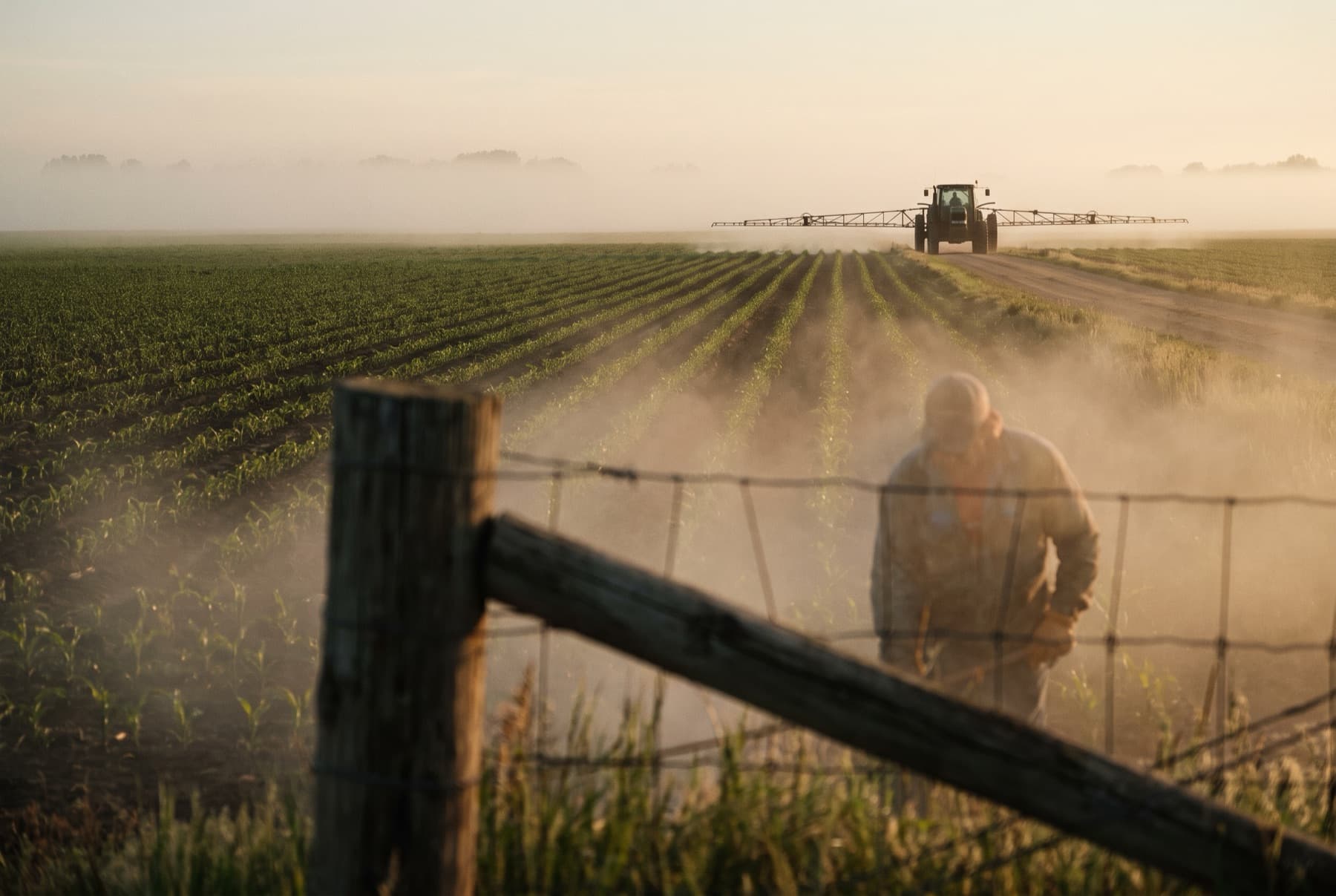
Roundup cancer claims are now mostly being funneled into a proposed $7.25 billion class settlement for people exposed before February 17, 2026 who have or later develop non-Hodgkin lymphoma, and a St. Louis judge held the final approval hearing on September 14, 2026. If you did not opt out by June 4, 2026, you are likely in the class; you cannot file for money yet, but you can sign up for updates on the official settlement website. Federal cases continue in MDL 2741, though a June 2026 Supreme Court ruling made the most common claim much harder.
Below: what the lawsuits claim, the settlement terms, the Durnell ruling, who qualifies, and what to do now.
Key takeaways.
- Monsanto agreed to pay up to $7.25 billion in a class settlement covering people exposed to Roundup in the U.S. before February 17, 2026 who have or later develop non-Hodgkin lymphoma.
- The official site lists estimated payments of $6,000 to $165,000 or more. Registration opens only after final approval.
- Judge Timothy Boyer of the Circuit Court of the City of St. Louis held the fairness hearing on September 14, 2026 and had not ruled as of the latest reports.
- On June 25, 2026, the U.S. Supreme Court ruled 7-2 in Monsanto v. Durnell that federal pesticide law preempts state failure-to-warn claims over Roundup's label.
- The JPML reported 3,925 cases pending in federal MDL 2741 before Judge Vince Chhabria on September 1, 2026.
You may qualify if.
- You were exposed to Roundup or another covered weed killer in the United States before February 17, 2026, for example as a farmer, landscaper, groundskeeper, gardener, or homeowner.
- You have been diagnosed with non-Hodgkin lymphoma (NHL), or you are diagnosed with NHL in the future. The class includes people not yet diagnosed.
- If you opted out by the June 4, 2026 deadline, you are not in the class and keep the right to sue on your own.
- People who opted out, and federal cases in MDL 2741, proceed separately, but the Supreme Court's June 25, 2026 Durnell ruling bars claims that Monsanto should have put a cancer warning on Roundup's EPA-approved label; only other theories, such as design defect, may remain.
- People with cancers other than NHL, or no documented glyphosate exposure, are unlikely to qualify.
What to gather.
- 1Pathology report and medical records confirming the NHL diagnosis, subtype, and date.
- 2Proof of Roundup exposure: receipts, farm or employer records, pesticide applicator licenses, photos of containers, or statements from coworkers.
- 3A timeline of how long, how often, and in what setting you used Roundup (home yard, farm, landscaping crew).
- 4Treatment records such as chemotherapy, radiation, or stem cell transplant, and related bills.
- 5Any settlement notice you received and records of whether you opted out.
What the Roundup lawsuits claim
Roundup is Monsanto's weed killer, and its active ingredient is glyphosate, the most widely used herbicide in the country. Bayer bought Monsanto in June 2018 in a $63 billion deal and inherited the litigation.
The lawsuits say that long-term exposure to Roundup causes non-Hodgkin lymphoma, a cancer of the lymphatic system, and that Monsanto knew or should have known and did not warn users. The litigation took off in 2015, when the World Health Organization's cancer research agency classified glyphosate as a probable human carcinogen. The EPA has taken a different view, concluding that glyphosate is not likely to cause cancer and declining to require a cancer warning on the label.
Juries have split. According to lawyers speaking at the September 14, 2026 hearing, an estimated 65,000 claims have been filed against Monsanto, and of 24 trials, 11 verdicts went for cancer victims and 13 for Monsanto. The first verdict, in 2018, awarded $289 million to a California school groundskeeper. Bayer has said the litigation has already cost it more than $11 billion in settlements and verdicts. Monsanto maintains its products are safe, and no settlement is an admission of liability.
The $7.25 billion Roundup class settlement
In February 2026, lawyers for plaintiffs and Monsanto filed a proposed nationwide class settlement in the Circuit Court of the City of St. Louis, Missouri. It is designed to resolve both current claims and claims by people who have not yet been diagnosed.
- Who is in it: people exposed to Roundup or other covered weed killers in the United States before February 17, 2026, including those diagnosed with NHL now or in the future.
- How much: Monsanto agreed to pay up to $7.25 billion. The official site says eligible people could receive $6,000 to $165,000 or more, depending on factors such as the severity of the cancer, how they were exposed, and age at diagnosis. News reports describe an additional $400 million for people with extraordinary circumstances.
- Timing: payments run over many years. People diagnosed later must file within six years of diagnosis or before the 16th annual payment date.
- Fees: class counsel proposed $675 million in attorneys' fees, according to reporting from the hearing.
Judge Timothy Boyer granted preliminary approval on March 4, 2026, over objections from 14 law firms representing about 20,000 plaintiffs, and Monsanto had to deposit $500 million into the fund within 10 days. The deadline to opt out or object was June 4, 2026, and the fairness hearing took place September 14, 2026 at 9:30 a.m.
At that hearing, supporters argued the deal looks even better after the Supreme Court ruling. Objectors said it unfairly binds people who will be diagnosed in the future and pays too little; the lawyer for John Durnell, whose $1.25 million verdict the Supreme Court overturned, said his client would receive $15,000. The judge is expected to rule later, and any approval can be appealed. Registration and claim submission are not open until the court grants final approval. The claims administrator is BrownGreer PLC.
Where the Roundup litigation stands now
The Supreme Court's Durnell decision
John Durnell of St. Louis won a $1.25 million verdict on a claim that Monsanto should have put a cancer warning on Roundup's label. Monsanto argued federal law preempted that claim because the EPA approved the label without a cancer warning. On June 25, 2026, in Monsanto Co. v. Durnell, No. 24-1068, the Supreme Court held 7-2 that the Federal Insecticide, Fungicide, and Rodenticide Act expressly preempts Durnell's state-law failure-to-warn claim because it would require Monsanto to add a cancer warning to Roundup's label. Justice Kavanaugh wrote for the Court; Justice Jackson dissented, joined by Justice Gorsuch. The Court reasoned that the EPA approved Roundup's label without a cancer warning after repeatedly concluding glyphosate is not likely to cause cancer, that federal law requires Monsanto to use that approved label, and that a state tort duty to add a warning is a labeling requirement "in addition to or different from" federal law under 7 U.S.C. 136v(b). It reversed the Missouri judgment and sent the case back.
The opinion decided only the failure-to-warn claim. It relied on the Court's earlier decision in Bates v. Dow Agrosciences (2005), which held that claims for defective design, defective manufacture, negligent testing, and breach of express warranty are not premised on labeling requirements. Whether Roundup claims built on those theories can still succeed is being fought out in the lower courts. Failure to warn had been the most successful theory in Roundup trials, so the ruling sharply limits what individual plaintiffs can win.
MDL 2741 in federal court
Federal Roundup cases have been consolidated since 2016 as In re: Roundup Products Liability Litigation, MDL 2741, before Judge Vince Chhabria in the Northern District of California. The JPML's September 1, 2026 report showed 3,925 cases pending and 5,323 filed in total. After Durnell, Monsanto asked to end the federal litigation, and plaintiffs argue that claims based on other theories, such as design defect, survive. That fight was unresolved as of September 2026.
State court cases
Most Roundup claims have been filed in state courts rather than the federal MDL. Lawsuits in Missouri by class members are stayed, except for people who opted out, until the court rules on the class settlement. For how multidistrict litigation interacts with a state class settlement, see what an MDL is.
Who qualifies for a Roundup claim
There are now two paths, depending on what you did before June 4, 2026.
If you stayed in the class (most people)
You are likely a class member if you were exposed to Roundup or covered weed killers in the U.S. before February 17, 2026. You do not have to be sick now. If you already have NHL, you will register after final approval; the site says you will have 180 days from final approval to register and 180 days after any appeals are resolved to file a claim. If you are diagnosed later, you do not need to register now. The settlement website has a product search to check which weed killers are covered.
If you opted out
You kept the right to sue Monsanto on your own. Your case would proceed in court under your state's law, subject to the Durnell ruling and your state's deadlines.
Across both paths, the strongest claims involve years of regular exposure, such as agricultural or landscaping work and a confirmed NHL diagnosis backed by a pathology report. Occasional home use, or a cancer other than NHL, makes a claim weaker or ineligible. See how to tell if you qualify.
How much Roundup claims pay
The official settlement website's range is $6,000 to $165,000 or more per person. That is far below the multimillion-dollar verdicts juries have awarded in some trials, which is the core objection to the deal. Where you land within the range depends on factors including the severity of the disease, the type and length of exposure, and age at diagnosis.
For context, Bayer has already spent more than $11 billion on Roundup settlements and verdicts, according to The New Lede. Individual jury verdicts vary widely, and many large awards were cut after trial or on appeal. After Durnell, the path to a large verdict is narrower because failure-to-warn claims are preempted.
If you are in the class, your payment will come from the claims program, not a lawsuit. If you opted out, any recovery depends on winning or settling your own case. Either way, payments to people with cancer are generally not taxable as income when they compensate for physical injury; see taxes on settlements.
What a Roundup case looks like after Durnell
Durnell changed the value of every Roundup claim, including the ones inside the settlement. Before June 2026, the standard trial theory was simple: Monsanto knew about a cancer risk and did not put a warning on the label. The Supreme Court held that claim is preempted when the EPA approved the label without that warning. At the September 14, 2026 hearing, one plaintiffs' lawyer summed it up: failure to warn was the star of the show, and they lost it.
What remains for people who opted out are theories that do not depend on the label, for example:
- Design defect: the product's formulation was unreasonably dangerous, regardless of the warning.
- Negligent testing or research: Monsanto did not adequately study the product's safety.
- Misrepresentation: statements outside the label, such as advertising, falsely described the product as safe.
Bates v. Dow Agrosciences, which the Durnell opinion relied on, treated design defect, manufacturing defect, negligent testing, and express warranty claims as outside FIFRA's labeling preemption. Monsanto has nonetheless asked to end the federal Roundup litigation after Durnell, and courts had not settled how far these remaining theories reach as of September 2026, and Judge Chhabria's rulings in MDL 2741 will be closely watched. Each individual case still needs expert testimony connecting the plaintiff's exposure to their NHL, which is expensive and contested.
That is why the class settlement matters so much. For most class members, the claims program is now the only practical route to payment, even though the amounts are modest compared with past verdicts. For more on weighing a group deal against going it alone, see class action vs. individual lawsuit.
Deadlines that matter for Roundup claims
| Event | Date |
|---|---|
| Exposure cutoff for the class | Before February 17, 2026 |
| Preliminary approval | March 4, 2026 |
| Opt-out and objection deadline | June 4, 2026 (passed) |
| Fairness hearing | September 14, 2026 |
| Registration (already diagnosed) | 180 days after final approval |
| Future diagnoses | Within 6 years of diagnosis |
If you opted out, your own statute of limitations applies. In California, for example, a personal injury claim generally must be filed within two years under Code of Civil Procedure section 335.1, and many states start the clock when you knew or should have known your cancer might be linked to Roundup. For how opting out works, see opting out or objecting.
What to do now
- Sign up for updates on the official settlement website, roundupsettlement.com, so you know when registration opens. Filing is free, and only the official site accepts registrations.
- Gather records now: pathology report, treatment records, and anything showing your Roundup use.
- Write down your exposure history: years, settings, products, and how often.
- If you opted out, talk to an attorney promptly about your deadline and what claims survive Durnell.
- Watch for final approval. Registration windows are time-limited once they open, and people already diagnosed have 180 days from final approval to register.
- Be skeptical of middlemen. TV and online ads for the settlement are common. You do not need to hire anyone or pay a fee to register with the official program, and anyone who asks for payment up front to "reserve" your spot should be avoided.
A free case review takes about two minutes if you opted out or have questions about a separate claim. Related cases include the paraquat Parkinson's lawsuit and other lawsuits you may be able to join.
Case timeline
October 3, 2016
JPML centralizes federal Roundup cases as MDL 2741 before Judge Vince Chhabria.
June 2018
Bayer completes its acquisition of Monsanto; the first Roundup trial ends in a $289 million verdict weeks later.
February 17, 2026
Proposed $7.25 billion class settlement filed in the Circuit Court of the City of St. Louis.
March 4, 2026
Judge Timothy Boyer grants preliminary approval.
June 4, 2026
Opt-out and objection deadline.
June 25, 2026
Supreme Court rules 7-2 in Monsanto v. Durnell that FIFRA expressly preempts state failure-to-warn claims seeking a cancer warning on Roundup's label, reversing a $1.25 million verdict.
September 14, 2026
Fairness hearing on final approval; ruling expected later.
Roundup cancer (NHL): common questions.
Is the Roundup settlement approved?
Not yet as of late September 2026. The court granted preliminary approval on March 4, 2026 and held the final approval hearing on September 14, 2026. The judge is expected to rule later, and approval could be appealed.
How much will I get from the Roundup settlement?
The official settlement website estimates $6,000 to $165,000 or more per person, depending on factors such as disease severity, exposure, and age at diagnosis. Payments begin only after final approval and the claims process.
Who qualifies for the Roundup settlement?
People exposed to Roundup or other covered weed killers in the United States before February 17, 2026 who have been diagnosed with non-Hodgkin lymphoma or are diagnosed in the future. People who opted out by June 4, 2026 are not included.
Can I still file a Roundup lawsuit?
If you opted out of the class, you may still sue on your own, subject to your state's deadline. After the Supreme Court's June 2026 Durnell ruling, failure-to-warn claims over the label are preempted, so other legal theories would be needed.
What did the Supreme Court decide in the Roundup case?
In Monsanto Co. v. Durnell, decided June 25, 2026 by a 7-2 vote, the Court held that federal pesticide law preempts a state-law claim that Monsanto should have added a cancer warning to Roundup's EPA-approved label.
How do I file a Roundup claim?
Registration and claims open only after the court grants final approval. You can sign up for updates on the official settlement website, roundupsettlement.com. Filing is free, and no one can file for you through any other site.
What cancer is linked to Roundup?
The lawsuits and the settlement focus on non-Hodgkin lymphoma. The WHO's cancer agency classified glyphosate as a probable human carcinogen in 2015, while the EPA has concluded it is not likely to cause cancer.
Sources.
Statutes, court rules, appellate opinions, and bar publications we relied on. See our editorial standards.
- 1.Official settlement website: Weed Killer Class Settlement
- 2.Bayer: Missouri court grants preliminary approval of Roundup class settlement (March 4, 2026)
- 3.The New Lede: Bayer wins preliminary court approval for proposed Roundup class settlement
- 4.St. Louis Post-Dispatch: St. Louis judge to decide on $7.25B Roundup settlement (September 2026)
- 5.Mayer Brown: Supreme Court holds Roundup failure-to-warn claim preempted (June 25, 2026)
- 6.Supreme Court: Monsanto Co. v. Durnell, No. 24-1068, slip opinion (June 25, 2026)
- 7.Bates v. Dow Agrosciences LLC, 544 U.S. 431 (2005)
- 8.Reuters via Investing.com: Bayer seeks to end federal Roundup litigation after Supreme Court win (July 2026)
- 9.JPML: Pending MDL Dockets by Actions Pending (September 1, 2026)
- 10.JPML: Pending MDL Dockets by MDL Number (September 1, 2026)
- 11.California Code of Civil Procedure section 335.1
Related cases and settlements.
All lawsuitsLawsuit
Paraquat Parkinson's
As of September 2026, MDL 3004 had 6,666 pending cases before Chief Judge Nancy J. Rosenstengel, most being resolved through an August 4, 2025 master settlement with Syngenta and Chevron, while plaintiffs who declined offers face strict evidence requirements.

Lawsuit
PFAS water contamination
As of September 2026, PFAS water claims are proceeding in MDL 2873 and in state and federal courts, with multibillion-dollar settlements for utilities and states but no nationwide settlement for individual residents; EPA has proposed pushing some compliance to 2031.
Lawsuit
J&J talc ovarian cancer
As of September 2026, Johnson & Johnson's proposed $5.5 billion ovarian cancer talc settlement is being finalized, 69,250 cases remain pending in MDL 2738 before Judge Michael Shipp, and the deal only takes effect if 95% of eligible claimants accept.
Lawsuit
Hair relaxer cancer
As of September 2026, MDL 3060 in the Northern District of Illinois had 12,129 pending cases before Judge Mary M. Rowland, the bellwether pool had been cut to five cases, and no global settlement or trial had occurred.